
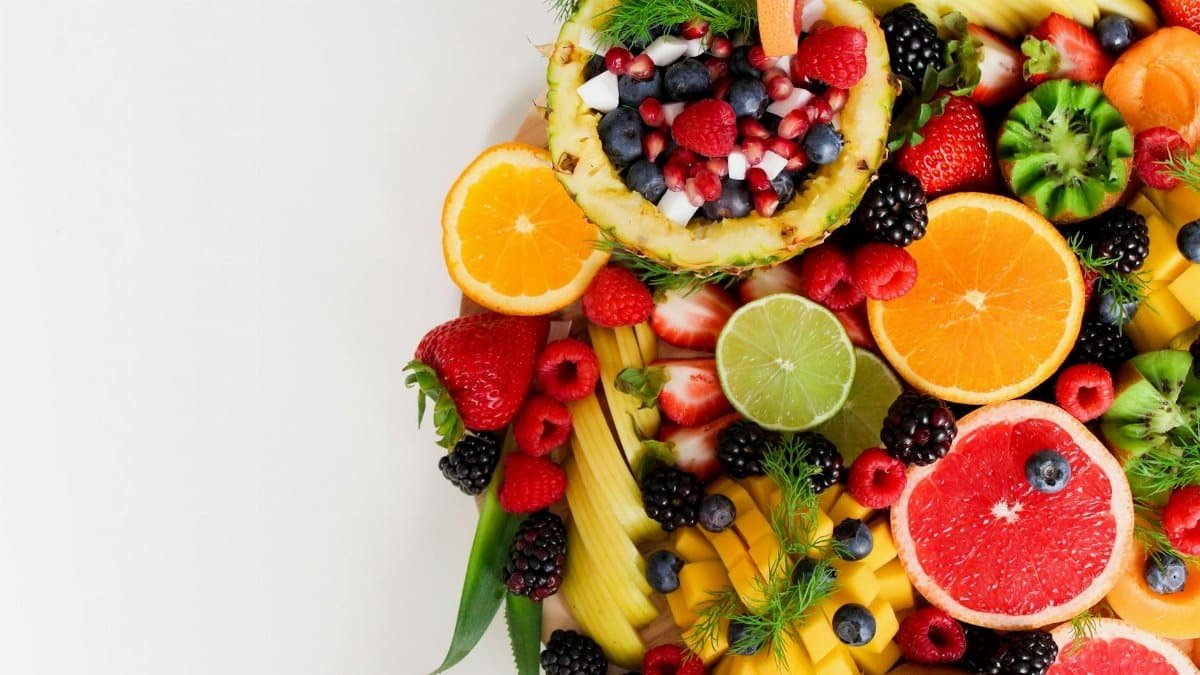
Imagine a quiet morning at a bustling farmers’ market in Portland, Oregon. Shoppers weave through stalls, drawn to vibrant piles of kale, walnuts, and bright bananas. Conversations hum about “feeling good” through food, a subtle nod to a growing fascination with plant dopamine foods. These aren’t just trendy ingredients; they’re part of a broader shift toward using diet to lift mood without the rollercoaster of sugar or caffeine. Across the U.S., more people are seeking natural ways to boost dopamine—a neurotransmitter tied to motivation and joy—without the crashes that come from processed fixes. This isn’t about quick highs. It’s about steady, sustainable well-being. What if the answer to a brighter outlook lies not in a pill or energy drink, but in the simple, earthy choices on your plate? Let’s unpack how these foods work and why they’re gaining ground in 2025.
What Are Plant Dopamine Foods, Really?
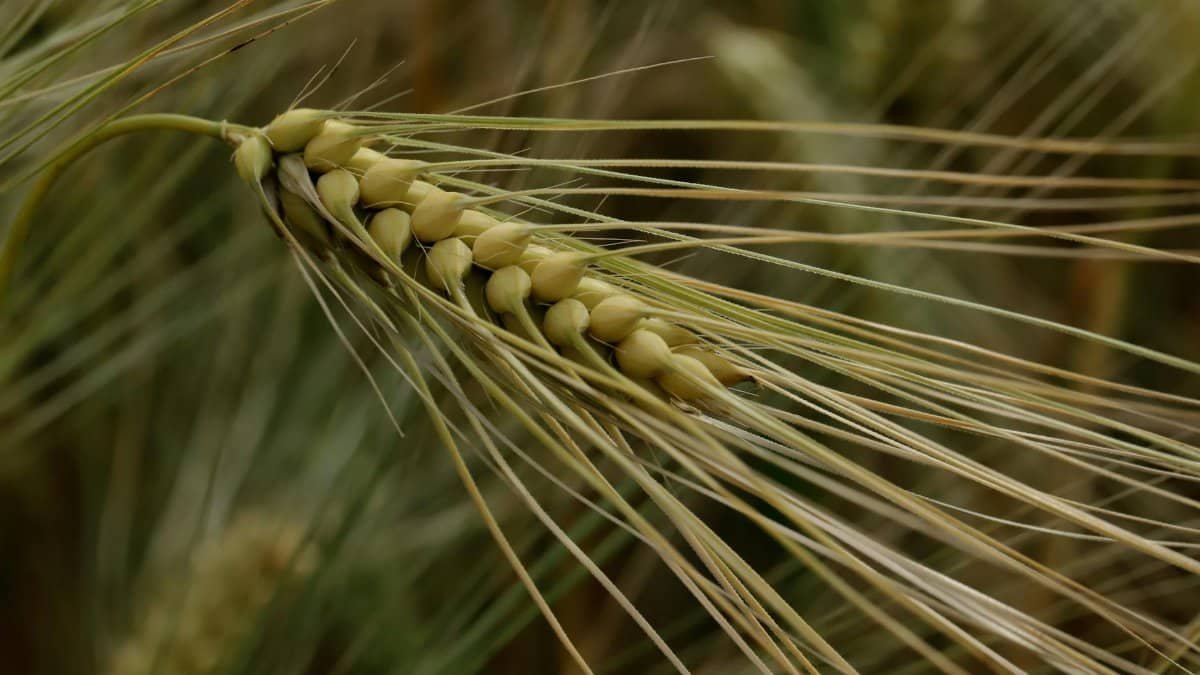
At their core, plant dopamine foods are natural sources of nutrients that support the body’s production of dopamine, a chemical messenger in the brain linked to pleasure and focus. Think of them as quiet allies rather than loud stimulants. These foods often contain tyrosine or phenylalanine—amino acids that serve as building blocks for dopamine. Bananas, avocados, beans, and nuts like almonds often top the list. Unlike a candy bar’s fleeting rush, these options offer a gentler lift. A 2021 review from the National Institutes of Health highlights how diets rich in such nutrients can subtly enhance mood over time, without dramatic spikes ( NIH Review on Nutrition and Neurotransmitters ).
But it’s not just science driving interest. There’s a cultural hunger for balance. People are tired of feeling wired then wiped out. A mother at a local co-op recently shared how swapping sugary snacks for apple slices with almond butter left her feeling “calmer but sharper.” It’s anecdotal, sure, but it echoes a wider sentiment: small shifts can reframe a day.
The Science Behind the Feel-Good Effect

Dopamine doesn’t just appear from nowhere. The body synthesizes it from precursors like tyrosine, found in many plant-based foods. Spinach, soybeans, and pumpkin seeds are particularly rich sources. A study from Harvard Medical School notes that diets emphasizing whole foods can support neurotransmitter balance, indirectly fostering mental clarity ( Harvard Health on Brain-Boosting Foods ). Add in vitamin B6—think chickpeas or bananas—and the process gets a nudge, since B6 helps convert tyrosine into dopamine.
Yet, there’s no magic bullet here. Eating a single banana won’t flood your brain with joy. The effect builds through consistent choices. Researchers at the Mayo Clinic stress that nutrient-dense diets work best alongside sleep and movement for lasting mood benefits ( Mayo Clinic on Healthy Eating ). It’s a slow dance, not a sprint.
Why Plant-Based Options Beat Quick Fixes
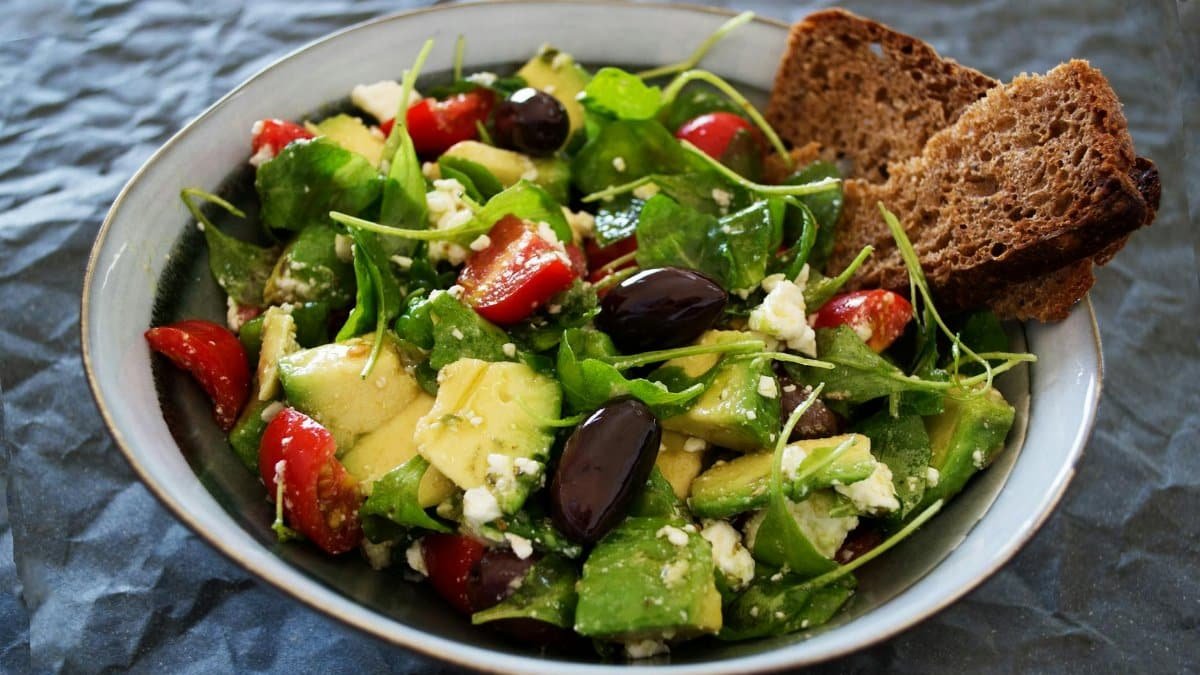
Contrast a handful of walnuts with a soda. Both might give a momentary lift, but the soda’s sugar spike often ends in a slump, sometimes within an hour. Plant dopamine foods, on the other hand, release energy and nutrients gradually. They’re often paired with fiber or healthy fats—think avocado on whole-grain toast—which slows digestion and stabilizes blood sugar. A report from the Centers for Disease Control and Prevention underscores how steady glucose levels can prevent mood swings, a key factor in mental health ( CDC on Glycemic Index and Mood ).
The difference isn’t just physical. There’s a psychological edge. Choosing a bowl of lentils over a pastry can feel like an act of self-respect. It’s not deprivation; it’s intention. That shift in mindset, over weeks, can rewire how one approaches stress or fatigue.
Everyday Combos to Try

Getting started doesn’t require a culinary degree. Simple pairings can amplify dopamine-friendly nutrients. A smoothie with spinach, banana, and a spoonful of flaxseed offers tyrosine, B6, and omega-3s for brain health. Or consider a lunch of black beans and quinoa—protein-packed and grounding. Snack on apple slices dipped in almond butter; the mix of natural sugars and fats sustains energy.
These aren’t gourmet feats. They’re doable, even on a rushed Tuesday. A friend once described tossing together a quick salad of kale and walnuts before a long workday. “It wasn’t fancy,” they said, “but I didn’t crash at 3 p.m.” That’s the understated power here—food as a steady hand, not a fireworks show.
Challenges in Making the Switch

Let’s not pretend it’s all seamless. Habits die hard, and convenience often trumps nutrition. Processed foods are engineered for craving—salty chips or sweet pastries hit dopamine receptors fast and hard. Plant-based alternatives can seem bland by comparison, at least initially. Then there’s time. Prepping fresh meals demands effort when drive-thrus beckon.
Cost is another hurdle. While beans and bananas are often affordable, organic nuts or specialty grains can strain budgets. Online discussions frequently vent frustration over this gap, with one person noting how “eating for mood feels like a luxury sometimes.” It’s a real tension. Starting small—swapping one snack a day—can ease the transition without breaking the bank.
Cultural Shifts Fueling Interest

Zoom out, and it’s clear this isn’t just about individual plates. There’s a broader wave in 2025 pushing mental health into everyday conversations. Social media brims with hashtags about “mood foods,” and wellness podcasts dissect dopamine diets. Grocery chains are catching on, too, stocking more plant-based options in response to demand. It mirrors a post-pandemic recalibration—people want control over well-being after years of uncertainty.
Urban centers like Chicago and Seattle see this vividly. Vegan cafes now advertise “brain-boosting” bowls, blending lentils with seeds. It’s not fringe anymore. It’s a quiet mainstreaming of plant dopamine foods, driven by a collective wish for stability in chaotic times. Will it last? Hard to say. But the momentum feels rooted.
Beyond Food: The Bigger Picture

Here’s a twist: diet alone can’t carry the load. Plant dopamine foods shine brightest as part of a mosaic. Stress, sleep, and social ties all shape how dopamine flows. Skimp on rest, and no amount of spinach will offset the fog. A harsh work environment can drown out the benefits of any meal. The interplay matters.
Think of a teacher juggling endless deadlines. She might eat quinoa salads daily, but without downtime, her mood still dips. Food sets a foundation, but it’s not the whole house. Pairing these choices with small acts— a quick walk, a phone call to a friend—amplifies the effect. It’s less about perfection and more about stacking subtle wins.
A Path Worth Treading?

So, where does this leave us? Plant dopamine foods offer a tangible way to nudge mood upward without the whiplash of artificial highs. They’re not a cure-all, nor do they promise instant bliss. But in a world of quick fixes and fleeting distractions, there’s value in their slow, steady promise. A handful of seeds or a humble bean dish can be a reminder: joy doesn’t always need to shout.
The invitation is simple. Test the waters. Swap one tired habit for a nutrient-rich bite. Notice what shifts, even faintly. If nothing else, it’s a chance to reclaim a sliver of agency over how you feel. And in 2025, with its relentless pace, that’s no small thing.