

In the vibrant neighborhoods of Philadelphia where history meets innovation a fresh approach to dining is taking root. Chefs and restaurateurs are increasingly mindful of their environmental footprint creating spaces that nourish both body and planet. At the forefront of this movement are philadelphia sustainable restaurants that prioritize everything from reducing plastic use to partnering with nearby farms. Two new openings have captured the attention of locals and visitors alike offering menus that celebrate seasonal produce and transparent supply chains. These efforts reflect a deeper awareness among middle aged diners who want their meals to align with their values. The result is not just good food but an experience that feels purposeful in an era of climate uncertainty. From repurposed historic buildings to modern minimalist spaces these venues invite reflection on our relationship with the land and the resources we consume.
A New Chapter for Dining in the City of Brotherly Love

Philadelphia has long been known for its diverse culinary landscape from cheesesteaks to high end French fare. Yet in recent years the focus has shifted toward sustainability. This evolution mirrors national trends but with a distinctly local flavor. Restaurateurs here are drawing on the rich agricultural heritage of Pennsylvania to craft experiences that minimize harm to the earth.
The two newest additions to the scene exemplify this shift by integrating green technologies and community focused initiatives into their operations. Diners are responding with enthusiasm as they discover that sustainable does not mean sacrificing taste or ambiance. What emerges is a more thoughtful way of approaching food that resonates particularly with those who remember when environmental concerns first entered mainstream conversation decades ago.
Spotlight on Two Innovative Eateries

These philadelphia sustainable restaurants represent something larger than individual business decisions. Rooted Table in Fishtown opened its doors last fall in a former warehouse space carefully renovated with reclaimed materials. The chef owner works directly with growers across the region ensuring that nearly all produce travels less than one hundred miles from soil to plate. Signature dishes include delicately prepared squashes from nearby farms accompanied by grains milled in Pennsylvania.
Downtown the second establishment known as Haven takes a different yet complementary approach. Its kitchen operates on a near zero waste model where vegetable trimmings become stocks and stale bread transforms into intricate croutons or bases for desserts. Both restaurants have cultivated loyal followings in a short time proving that authenticity and environmental care can drive commercial success in a competitive market.
Commitment to Local Producers
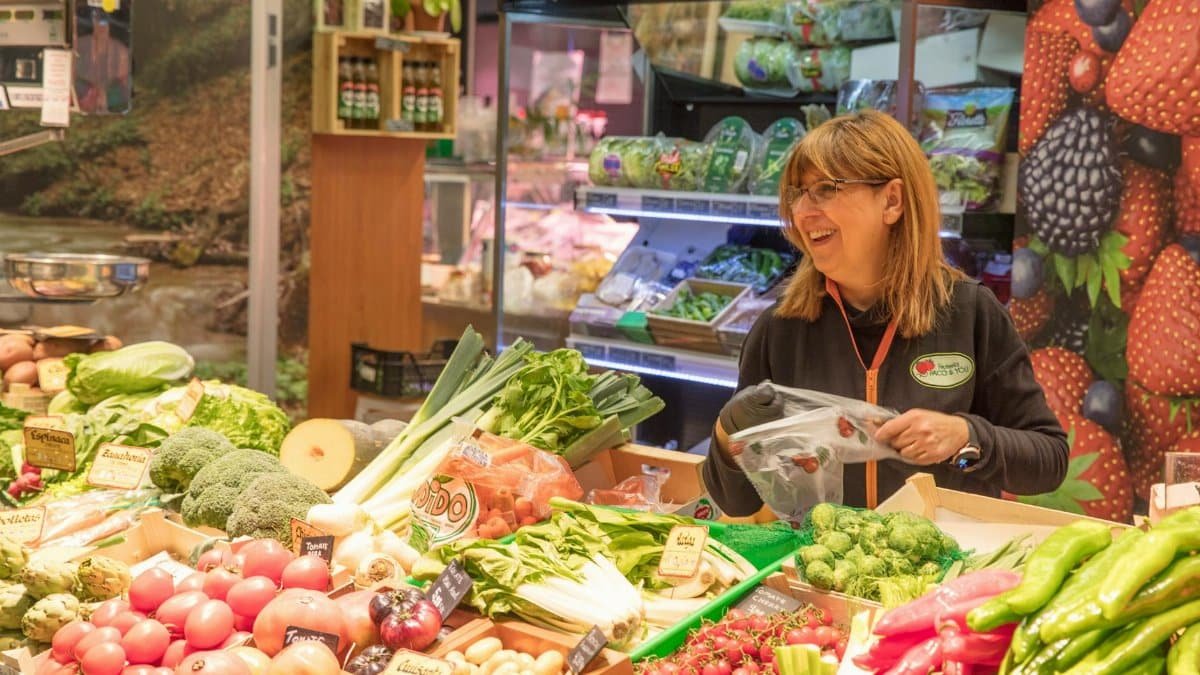
At the heart of these operations lies an unwavering dedication to regional agriculture. Rather than relying on national distribution networks the restaurants maintain close relationships with small farms and fisheries along the Delaware River watershed. This commitment does more than provide fresh ingredients. It strengthens the local economy and preserves farmland that might otherwise convert to development.
Farmers report steadier income and greater ability to invest in their own sustainable methods because of these partnerships. One grower who supplies both establishments noted that consistent restaurant contracts allowed her to transition more acreage to organic production. Such stories illustrate how dining choices ripple outward creating tangible benefits for rural communities surrounding the city.
Eco Friendly Practices That Make a Difference

Beyond sourcing the restaurants implement numerous measures to lighten their environmental load. Solar panels supplement their energy needs while sophisticated water recycling systems reduce consumption. All takeout materials are compostable and many items are served in edible vessels crafted from ingredients like bread or vegetables.
Staff receive regular training not as an add on but as core professional development. This creates a workplace culture where everyone from line cooks to servers contributes ideas for further improvements. The cumulative effect of these practices demonstrates that meaningful change happens through countless small decisions rather than grand gestures alone.
The Connection Between Food and Mindfulness

In a category that touches on spiritual news and trends it is worth exploring how sustainable eating connects to mindfulness. Many patrons at these philadelphia sustainable restaurants describe a heightened sense of presence during their meals. When a server explains that the mushrooms on the plate were foraged just days earlier from nearby forests something shifts in the dining experience.
This awareness fosters gratitude and a deeper connection to natural cycles. The simple act of eating becomes an opportunity for reflection on interdependence and stewardship. Chefs often incorporate this element by sharing the stories behind ingredients encouraging customers to consider their own place within larger systems of growth harvest and nourishment. For many middle aged diners who have spent years seeking balance this approach feels like a natural evolution in their relationship with food.
Overcoming Obstacles in the Pursuit of Sustainability

The path toward greener operations comes with real challenges. Costs for local and organic supplies often exceed those of conventional alternatives creating pressure on pricing. Seasonal availability requires constant menu adaptation and creative problem solving especially during winter months when fresh local options dwindle.
Operators of these philadelphia sustainable restaurants address such issues through collaboration. They share resources form purchasing cooperatives and exchange knowledge about efficient systems. Some have partnered with universities to test new preservation techniques that extend the usability of regional produce. These efforts transform potential barriers into catalysts for innovation across the industry.
Customer Experiences and Testimonials

Those who frequent these establishments speak of more than just satisfying meals. Regular visitors describe feeling aligned with their personal values in ways that enhance enjoyment. One longtime Philadelphia resident shared that dining at Rooted Table prompted her to visit the farms supplying the restaurant creating new connections to her region.
Others appreciate the educational aspects woven into the experience. Menu descriptions provide context about growing practices while servers readily answer questions about sustainability initiatives. This transparency builds trust and encourages diners to carry lessons home influencing their own purchasing and consumption habits.
Research Supporting the Movement

Evidence continues to mount regarding the importance of these approaches. Research from Penn State University indicates that localized food systems can reduce transportation related emissions by approximately thirty percent while supporting biodiversity. For further reading on these findings visit https://extension.psu.edu/local-food-systems-and-sustainability.
Similar studies from institutions across the country reinforce what Philadelphia restaurateurs have observed in practice. Customer loyalty tends to increase when establishments demonstrate genuine commitment to environmental responsibility. These insights help explain why the new venues have gained traction so quickly and suggest the trend will continue gaining strength.
Looking Ahead to a Greener Food Scene

The early success of these philadelphia sustainable restaurants points toward broader transformation in the city dining landscape. Other establishments have already begun adopting elements of their models from composting programs to tighter relationships with growers. This momentum could influence everything from municipal policy to culinary education programs.
For readers who have witnessed decades of change in American dining this development feels particularly significant. It suggests a maturing of the food culture one that balances pleasure with responsibility. The restaurants leading the way offer models that balance idealism with practical business sense creating blueprints for future openings throughout the region.
Practical Tips for Supporting Philadelphia Sustainable Restaurants

Individuals play an important role in nurturing this movement. Choosing to dine at these establishments sends a clear market signal that sustainability matters. Asking questions about sourcing encourages transparency and helps other customers learn. Even small actions like declining single use plastics or opting for vegetable forward dishes contribute to collective impact.
At home one might explore farmers markets or community supported agriculture programs that supply many of the same farms. Sharing positive experiences through conversation or online reviews helps build community around these values. By engaging thoughtfully with the philadelphia sustainable restaurants now operating diners become active participants in shaping the future of food in the city.