

Did your pocket just buzz? That eerie sensation of a phantom phone vibration strikes without warning, leaving millions questioning reality. Phantom vibration syndrome—hallucinating that your phone is ringing or buzzing when it’s silent—is emerging as a stark indicator of the brain’s adaptation to relentless digital stimuli. Dated February 10, 2026, this phenomenon underscores how constant connectivity rewires neural pathways, fueling perpetual digital anxiety. Experts note it’s not mere imagination but a neurological echo of our tech-saturated lives.
The Phantom Buzz Sensation

Imagine reaching for your phone, heart racing, only to find silence. This pocket buzz is the hallmark of phantom vibration syndrome. It mimics the exact feel of an incoming call or alert, tricking the senses into false alarms. Reported prominently on February 10, 2026, the experience jolts users during quiet moments—commutes, meetings, or bedtime—disrupting focus and calm. The brain, conditioned by endless notifications, fills the void with invented signals, blurring the line between real and imagined tech intrusions.
Hallucinating Phone Rings
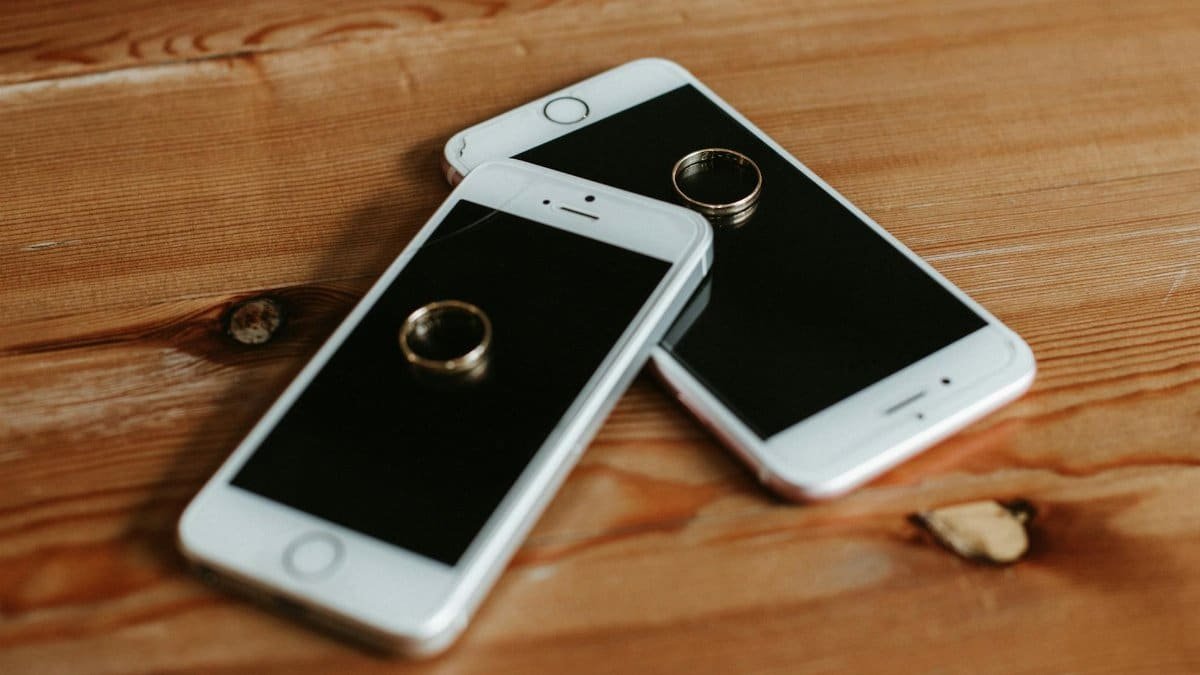
Phantom vibration syndrome manifests as auditory or tactile hallucinations specific to phones. Users “hear” rings or “feel” vibrations that never occur. This isn’t psychosis but a common misfire in sensory processing. The February 10, 2026, spotlight on the issue highlights how smartphones hijack attention, making silence feel unnatural. The hallucination strikes repeatedly, reinforcing a cycle where the brain anticipates alerts even when devices are off. It’s a silent epidemic in U.S. daily life, where phones dictate rhythms.
For deeper insight into this sensory glitch, see research from Psychology Today, documenting widespread reports among heavy users.
Brain Wiring Exposed

Your brain is wired for constant digital anxiety, and phantom vibration syndrome proves it. Neural circuits, bombarded by pings and buzzes, become hypersensitive. When stimuli vanish, the brain generates ghosts of past alerts. This rewiring reflects 2026’s hyper-connected U.S. landscape, where downtime is rare. The syndrome signals deeper adaptation: neurons primed for interruption, mistaking body twitches or fabric shifts for notifications. It’s evolution bent by technology, turning pockets into anxiety hotspots.
Digital Anxiety’s Neural Signature
Constant digital anxiety isn’t abstract—phantom vibrations make it tangible. The brain, expecting endless input, manufactures signals to satisfy that itch. February 10, 2026, reports frame it as a red flag for tech overload. In America, where smartphone ownership nears universality, this wiring fosters unease. Silence amplifies dread of missing out, prompting compulsive checks. The hallucination embodies wired-in vigilance, a byproduct of apps designed to hook and hold attention without respite.
Why Pockets Become Battlegrounds

Pockets buzz phantom-style because phones live there, closest to skin. Tactile hallucinations thrive in this proximity, where subtle sensations amplify. Phantom vibration syndrome exploits this, turning everyday fabrics or muscle flutters into faux alerts. The 2026 news drop emphasizes its pervasiveness among professionals and youth alike. Brains, drilled by years of vibrations, default to expectation. Result: a nation on edge, pockets pulsing with unreal urgency amid digital deluge.
Supporting neurological evidence appears in this peer-reviewed study: PMC analysis on phantom vibrations.
Signs of Overwired Brains

Spot phantom vibration syndrome by its patterns: repeated false buzzes, anxiety spikes post-checks, unease in quiet. It’s your brain’s cry for recalibration amid digital noise. February 10, 2026, coverage ties it directly to constant connectivity’s toll. U.S. trends show it peaking in high-stress jobs, where phones symbolize lifeline and liability. Ignore it, and anxiety compounds; recognize it, and the wiring’s strain comes clear. Hallucinations persist until habits shift, but tech pulls harder.
Tech’s Role in the Hallucination

Smartphones engineer this syndrome through addictive design. Variable rewards—random buzzes—mirror slot machines, wiring brains for anticipation. Phantom vibrations emerge when the machine goes quiet. In 2026 America, with screens glowing 24/7, the brain stays primed. The hallucination ignores logic, driven by dopamine loops from real alerts. It’s a signpost: digital anxiety now hard-coded, turning personal space into notification zones without end.
Broader Implications for 2026
Phantom vibration syndrome spotlights 2026’s digital underbelly. As U.S. reliance on mobile tech surges, brains adapt at a cost—hallucinated buzzes signaling fractured peace. February 10 reports urge awareness: this isn’t quirk but symptom of wired overload. Mental health circles buzz with parallels to stress disorders, though rooted in tech. Ignoring it risks normalizing anxiety; facing it demands rethinking device dominance. Pockets may buzz forever unless balance intervenes.
Navigating the Digital Phantom

Acknowledging phantom vibration syndrome disrupts its grip. Note triggers: post-notification lulls breed hallucinations. In 2026’s U.S., where phones mediate life, this awareness combats anxiety’s wiring. The brain’s trickery fades with intentional breaks, though digital pull resists. February 10, 2026, framing positions it as wake-up call—hallucinations heralding tech’s neural takeover. Stay vigilant; your next “buzz” might just be your brain demanding unplug.