
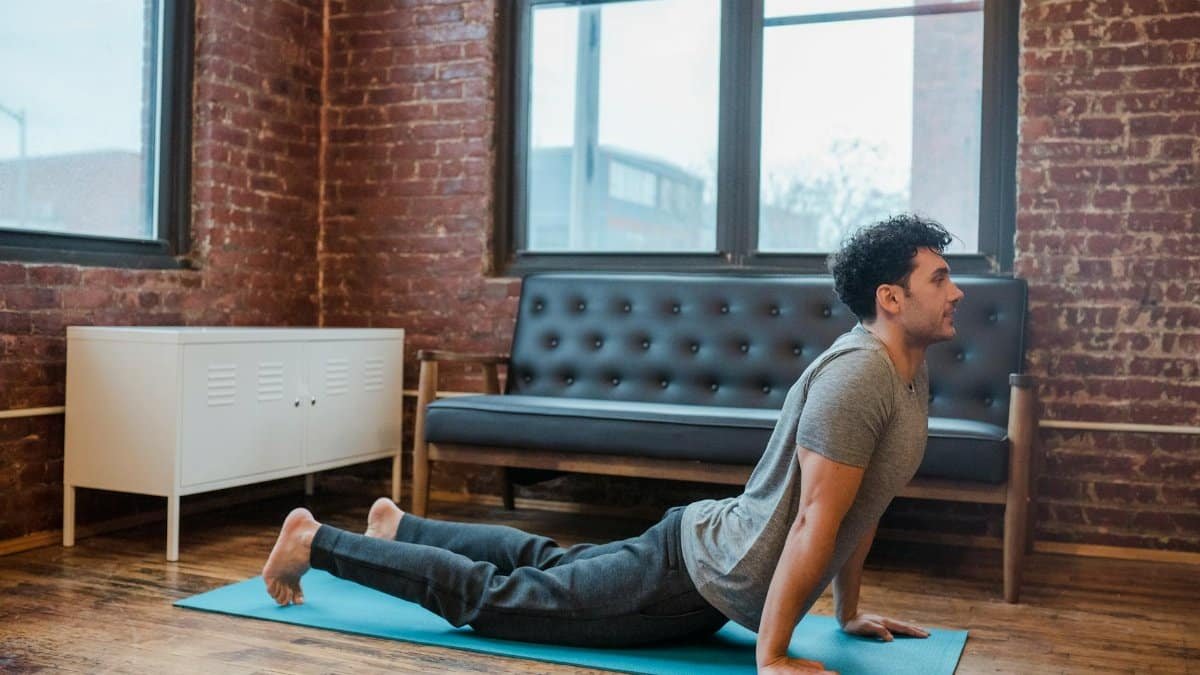
In a surprising turn, new data from the Pennsylvania Department of Health reveals that 45% of residents are turning to unconventional methods for mental health support amid rising stress levels. Tools, improving, mental recovery are gaining traction in the Keystone State, offering quiet, effective ways to steady moods and sharpen daily focus without the fanfare of mainstream therapy. These under-the-radar strategies, often rooted in local traditions and modern wellness tweaks, are helping Pennsylvanians bounce back from burnout and anxiety. As 2025 unfolds, experts say these tools could redefine recovery for many.
1. Forest Bathing in State Parks

Pennsylvania’s vast state parks, like those in the Pocono Mountains, provide a serene backdrop for forest bathing—a Japanese-inspired practice known as shinrin-yoku. This tool involves immersive walks in nature, absorbing the sights, sounds, and scents to reduce cortisol levels and boost endorphins. Locals in places like Ricketts Glen State Park swear by it for calming racing thoughts. A 2023 study from the University of Pennsylvania highlighted how such nature exposure cuts anxiety by up to 30%. It’s simple: no gear needed, just time outdoors. In 2025, with urban sprawl increasing, this method stands out for its accessibility and zero cost, making it a go-to for busy professionals and families alike.
2. Amish-Inspired Mindfulness Routines
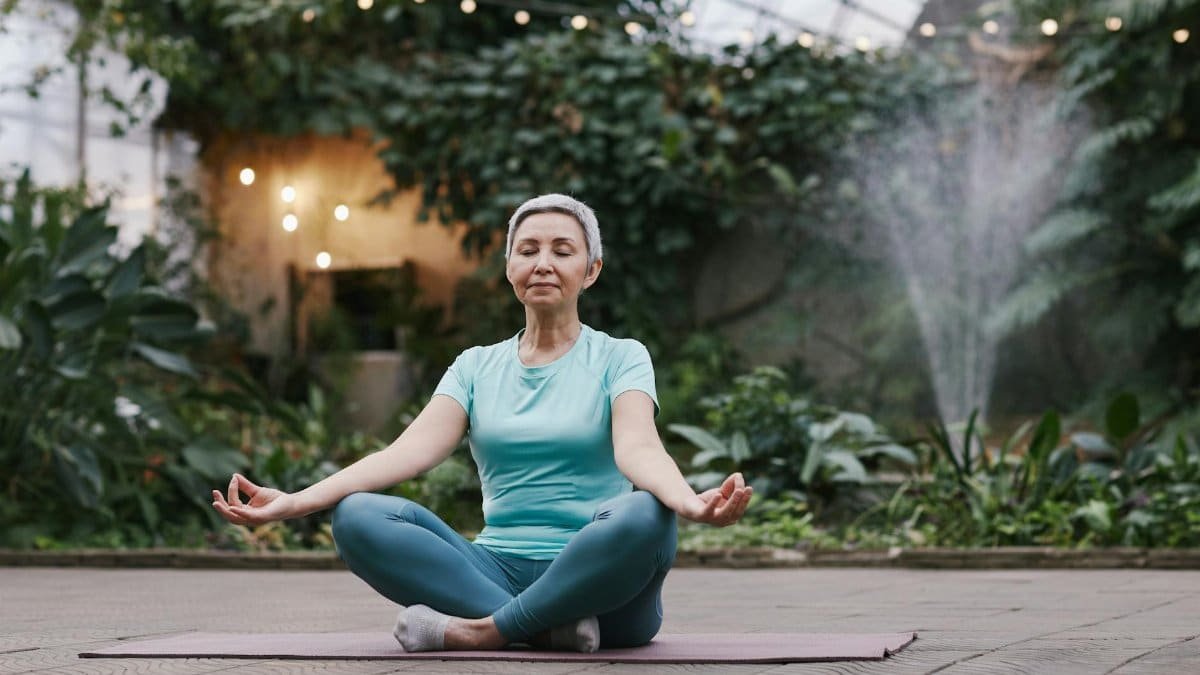
Drawing from Pennsylvania’s Amish communities, this tool emphasizes simplicity and routine to foster mental clarity. Practices include daily journaling or repetitive tasks like gardening, which promote presence and reduce overthinking. In Lancaster County, residents adapt these habits to modern life, using them to combat digital overload. Research from the National Institutes of Health supports mindfulness for improving focus and emotional regulation. Users report steadier moods after just a week. It’s not about religion; it’s about unplugging and grounding oneself, perfect for those feeling overwhelmed by constant connectivity in today’s fast-paced world.
3. Community Drum Circles
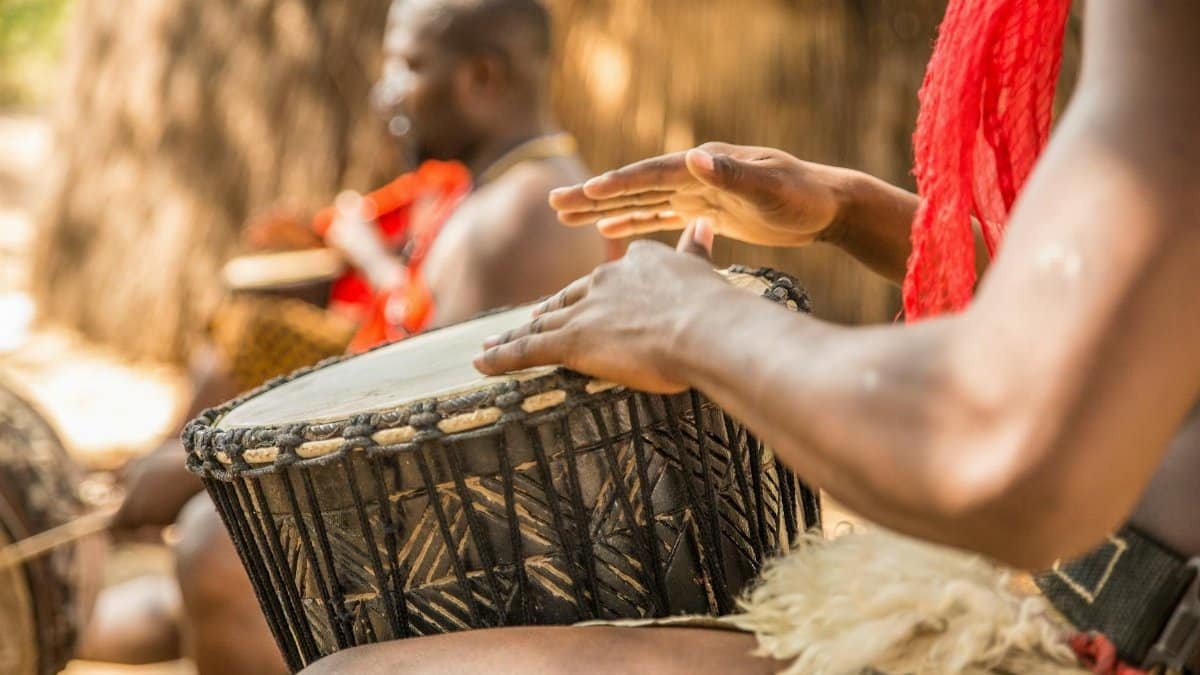
Around Pittsburgh and Philadelphia, drum circles are emerging as a rhythmic tool for mental recovery. Participants gather in parks or community centers to beat drums in unison, releasing tension through vibration and group energy. This method, rooted in indigenous traditions but adapted locally, helps process emotions and build social bonds. A study published in the Journal of Music Therapy, accessible via the American Psychological Association, shows rhythmic activities lower depression symptoms by enhancing brain connectivity. In Pennsylvania, these free sessions are popping up more in 2025, offering a fun, communal way to shake off stress without formal therapy.
4. Herbal Tea Blends from Local Farms
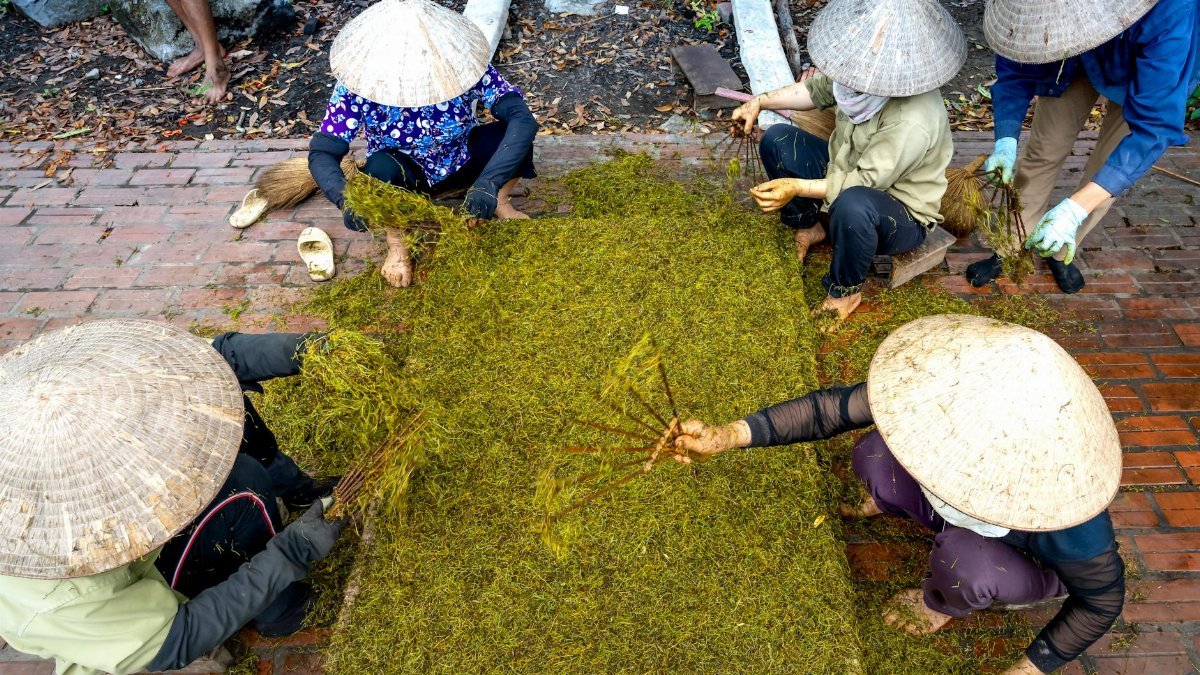
Pennsylvania’s farmland yields herbs like chamomile and lemon balm, blended into teas that serve as a gentle tool for mental soothing. Brewed at home or sourced from markets in Hershey or the Lehigh Valley, these infusions calm nerves and improve sleep quality. Herbalists note their role in steadying moods naturally. The CDC’s resources on natural remedies, found at Centers for Disease Control and Prevention, back the benefits of such botanicals for mild anxiety. With no side effects like those from meds, this approach is ideal for daily use, especially as interest in holistic wellness surges this year.
5. Art Therapy Workshops in Small Towns

In quieter spots like Gettysburg or Erie, art therapy workshops use drawing and sculpting to unpack mental burdens. This tool encourages expression without words, helping process trauma or daily frustrations. Community centers host affordable sessions, making it accessible. Findings from Harvard Medical School, detailed on their health publications page at Harvard Health, confirm art’s power in reducing PTSD symptoms. Pennsylvanians are embracing it in 2025 for its low-pressure vibe, turning creativity into a pathway for emotional recovery and renewed focus.
6. Walking Meditation Along Historic Trails
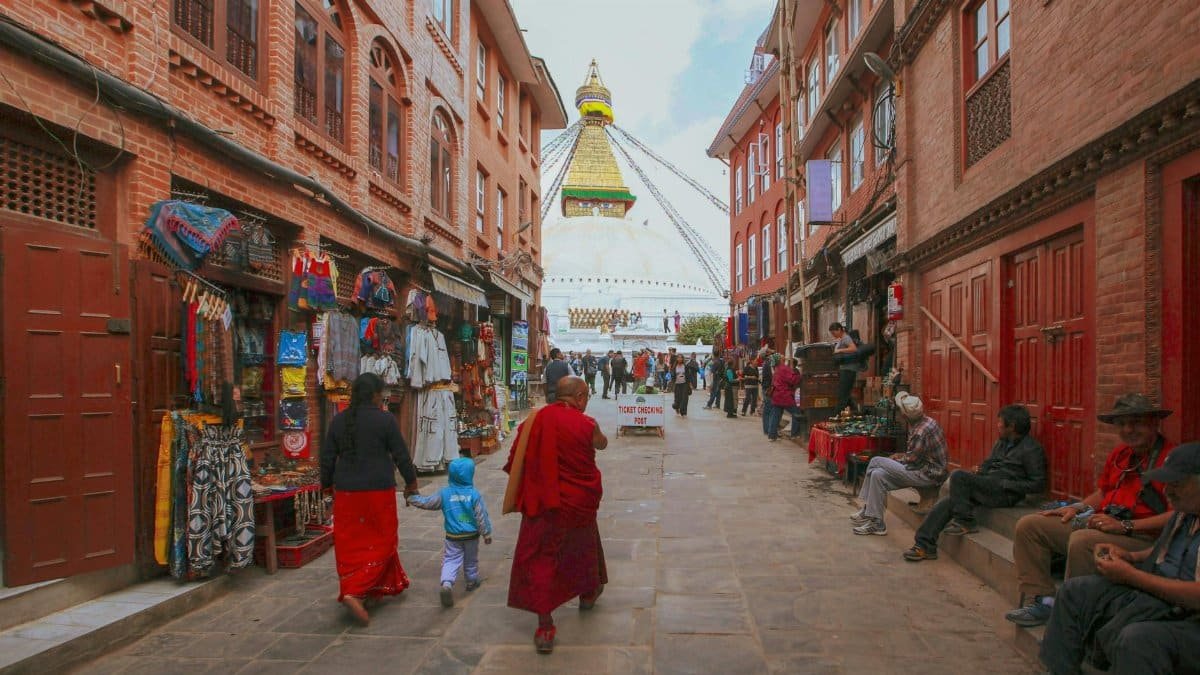
The state’s historic trails, such as the Appalachian Trail segments, offer prime spots for walking meditation—a tool combining movement with breath awareness. Practitioners focus on each step to quiet the mind and build resilience. In areas like Valley Forge, it’s a nod to revolutionary history while addressing modern mental strains. A Pew Research report on wellness trends, available at Pew Research Center, notes rising adoption of meditation for stress management. This method requires no apps or classes, just comfortable shoes, making it a practical choice for improving mental stamina amid Pennsylvania’s diverse landscapes.
7. Sound Baths with Local Instruments
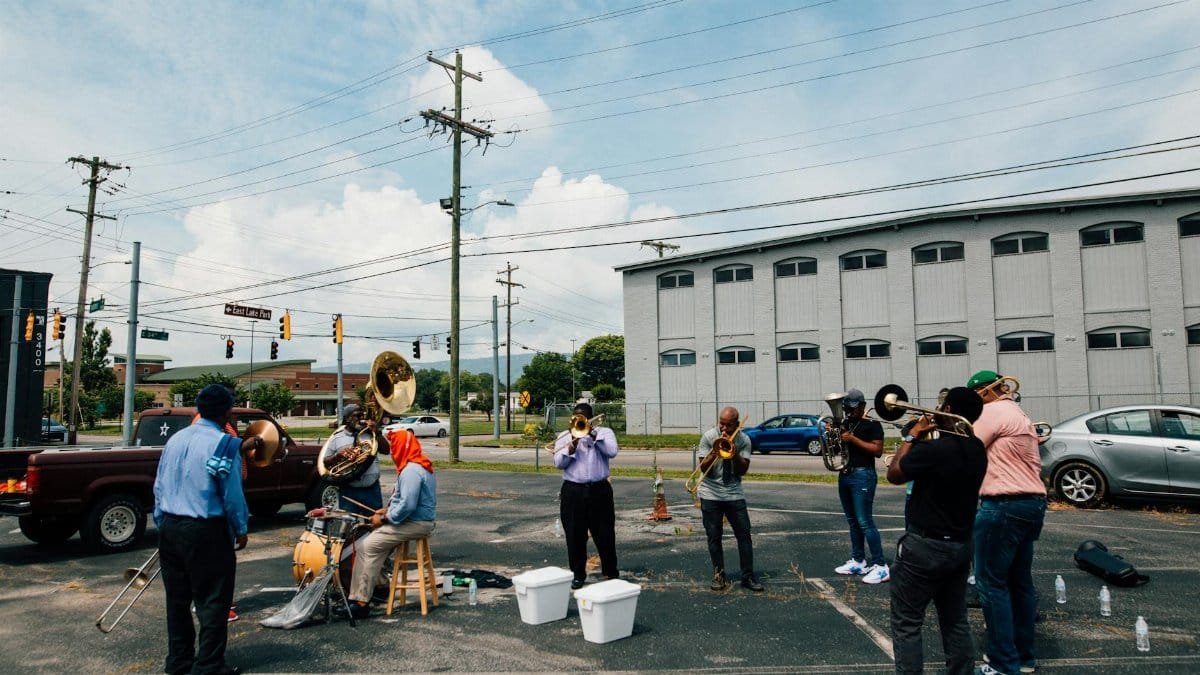
Using gongs, singing bowls, and even Pennsylvania-made bells, sound baths create vibrational healing sessions in venues from Scranton to Harrisburg. This tool immerses participants in soothing tones to dissolve mental fog and promote relaxation. It’s gaining popularity for its passive nature—no effort required beyond listening. Studies from Stanford University, summarized on their medicine site at Stanford Medicine, link sound therapy to better sleep and reduced anxiety. As 2025 brings more awareness to alternative recoveries, these sessions provide a quiet revolution in mental wellness, helping users regain daily focus effortlessly.
These seven tools, improving, mental health in Pennsylvania highlight a shift toward subtle, effective strategies. From nature immersion to rhythmic release, they’re empowering residents to manage recovery on their terms. Experts predict wider adoption as awareness grows, potentially easing the strain on traditional mental health services in the state.