
In the high-stakes game of modern romance, introverts often feel sidelined by the expectation of nonstop chatter and shared adventures. But what if bonding didn’t require a single word? Parallel play, borrowed from childhood development, is gaining traction among couples who prefer quiet coexistence over intense interaction. Picture this: you and your partner side by side on the couch—one buried in a book, the other sketching—content in mutual presence. It’s low-pressure intimacy that’s reshaping how introverted pairs connect, proving silence can speak volumes.
What Is Parallel Play, Anyway?

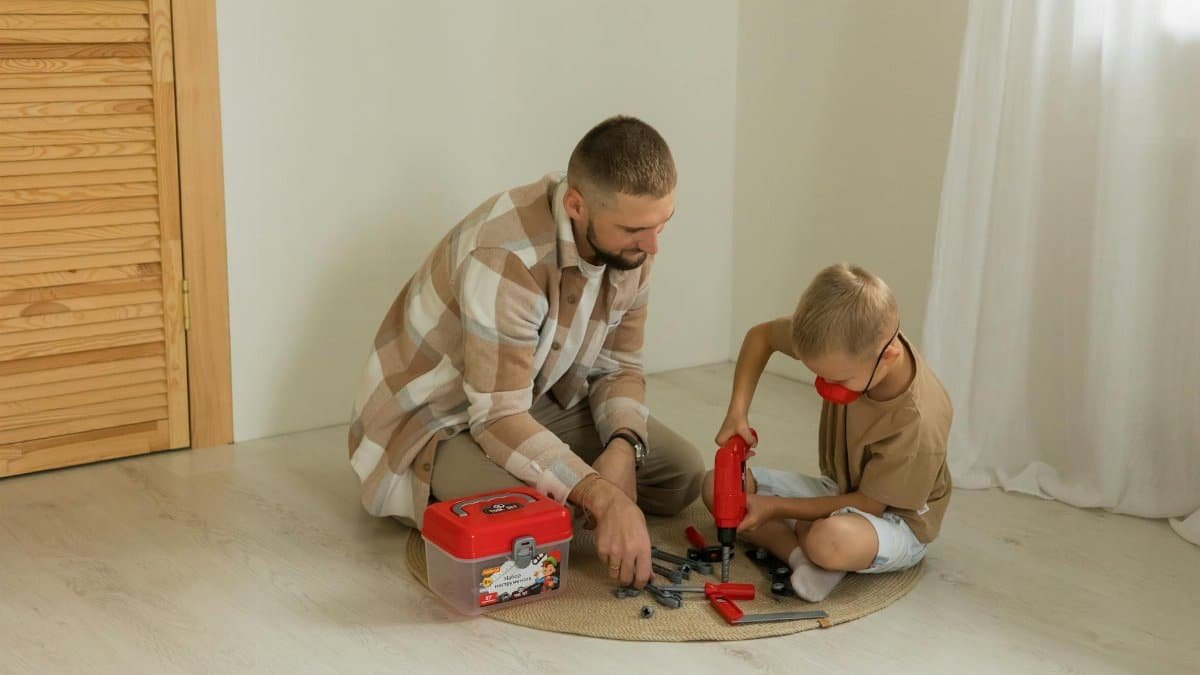
Coined by child psychologist Mildred Parten in the 1930s, parallel play describes kids engaging in similar activities nearby without direct collaboration. Fast-forward to adulthood, and therapists are repurposing it for relationships. No synchronized Netflix binges or forced deep talks—just independent pursuits in shared space. Relationship coach Elena Martinez calls it “proximity bonding,” a staple in her sessions with introverted clients in New York and Los Angeles.
Why It Resonates with Introverts

Introverts recharge solo, yet relationships demand energy. Constant verbal engagement can feel like emotional overdraft. Parallel play flips the script: it honors that need for autonomy while fostering closeness. A 2023 survey by the American Psychological Association found 62% of introverted respondents preferred “quiet companionship” over traditional date nights. For couples like Sarah and Tom from Chicago, it’s weekly ritual—one codes, the other journals—rekindling spark without exhaustion.
The Science Making It Stick

Neuroimaging studies from the University of California show shared silence activates oxytocin release similar to hugs, building trust sans words. It’s rooted in attachment theory: secure bonds thrive on reliability, not volume. Dr. Amir Levine, author of “Attached,” notes parallel play mimics early caregiver proximity, signaling safety. In therapy, it’s prescribed for avoidant partners, with a 2022 Journal of Couple & Relationship Therapy study reporting 78% satisfaction rates after eight weeks.
Couples Who Swear By It

Take Mia and Alex, a Seattle tech duo. “We’d argue over ‘quality time’ until parallel play,” Mia says. Now, Sunday mornings mean her yoga mat next to his guitar. In Manhattan, podcaster Lena credits it for her marriage survival post-kids: “Proximity without performance anxiety.” Anecdotes flood Reddit’s r/introvertmarriage, where users share setups from coffee shops to park benches. Even extrovert-introvert pairs adapt, balancing energies.
Five Easy Ways to Start Tonight

1. Cozy Couch Setup: Books or puzzles, feet touching. 2. Kitchen Parallel: One cooks, the other preps veggies silently. 3. Outdoor Edition: Bench reading while one sketches nature. 4. Hobby Stations: Desks facing each other for writing or crafting. 5. Evening Wind-Down: Journals by lamplight. Keep it unstructured—no timers. Therapist tip: Start with 20 minutes, let it flow naturally.
Benefits That Go Beyond Romance

Parallel play isn’t just for lovers. Introverted friends use it for low-key hangs, reducing social fatigue. Families adopt it during holidays: kids play independently while adults read nearby. Workplace pilots in Silicon Valley test “parallel desks” for creative teams, boosting output 15% per internal Stanford reports. It’s versatile, healing overstimulation in a hyper-connected world.
Watch Out for These Traps

Not all silences bond. If resentment brews—say, one feels ignored—parallel play backfires. Communication check-ins prevent this: “How’s this feeling?” every few sessions. Avoid screens if they create walls; opt for tactile activities. For high-conflict couples, licensed guidance is key, lest it mask deeper issues like emotional distance.
Could This Redefine Dating Apps?
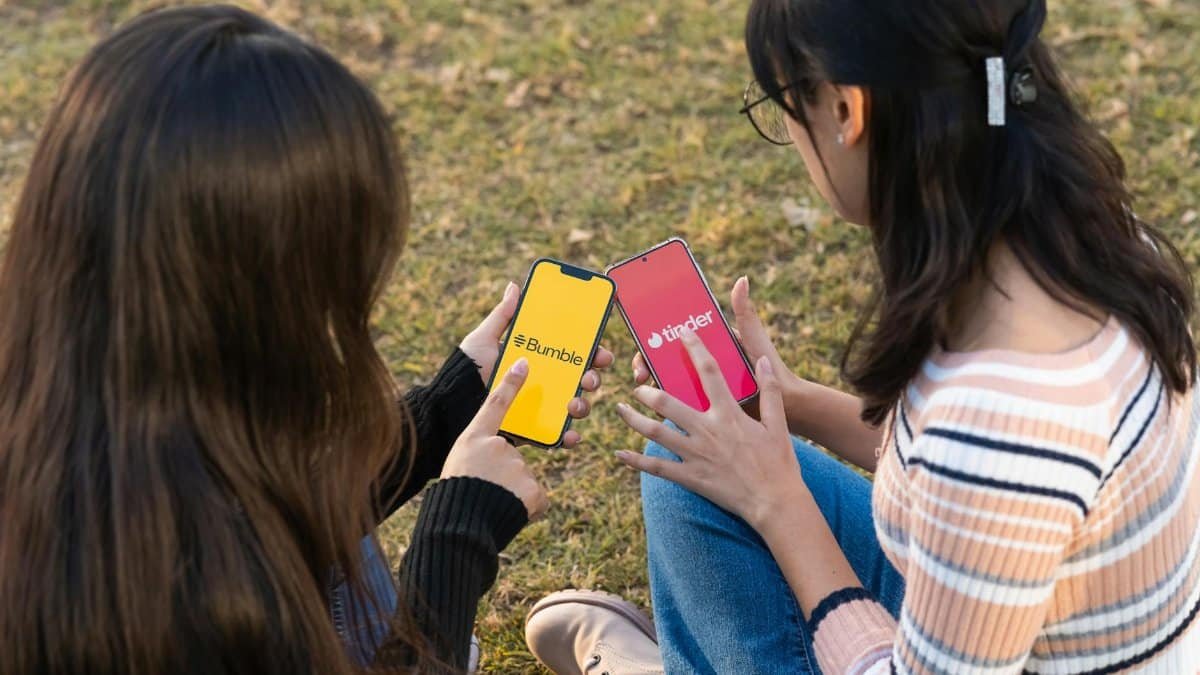
Dating platforms like Hinge now prompt “parallel play date ideas,” signaling cultural shift. Bumble’s 2024 trends report lists it among top introvert strategies, with 40% user growth in “chill vibes” profiles. As remote work normalizes solo proximity, experts predict parallel play as dating’s next frontier—less swipe-right pressure, more authentic ease. For introverts, it’s not settling; it’s smart romance.
By Natasha Weber