
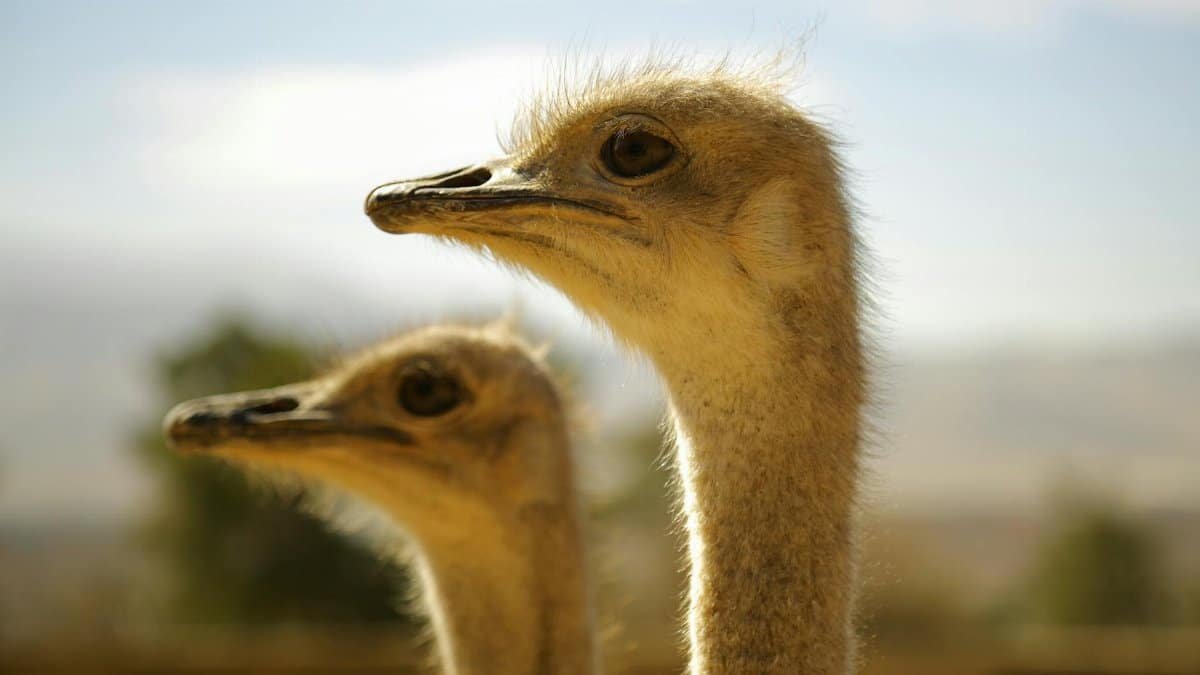
In the shimmering heat of Saudi Arabias Rub al Khhali desert, where temperatures soar past 120 degrees Fahrenheit and dunes tower like frozen waves, a surreal sight has unfolded: ostriches, those towering birds once hunted to local extinction, are racing across the sands once more. This marks a quiet triumph in one of the worlds most ambitious conservation stories, as ostriches return to Saudi desert landscapes after more than a century away. Spearheaded by the Kingdoms royal commission, the project released dozens of the flightless giants into protected reserves, evoking a sense of revival amid a region racing toward sustainability. For a nation long defined by oil wealth, this rewilding effort signals deeper aspirations, blending tradition with environmental stewardship in ways that resonate far beyond the dunes.
The Ghosts of Arabia Past

Ostriches roamed the Arabian Peninsula for millennia, their massive footprints etched into ancient Bedouin lore and rock art. By the early 20th century, however, unchecked hunting and habitat loss driven by expanding human settlements wiped them out locally. Travelers accounts from the 1920s describe the birds as phantoms, glimpsed only in fading stories. Saudi Arabias vast deserts, once teeming with wildlife, fell silent. This absence lingered like a scar on the landscape, a reminder of how modernity can eclipse nature. Fast forward to today, and the ostriches return to Saudi desert is not mere nostalgia. It is a calculated bid to restore ecological balance, drawing on genetic lineages from captive populations in the region and abroad. Experts note that these birds carry DNA traces from their wild forebears, ensuring authenticity in this resurrection.
Royal Vision Takes Flight

At the heart of the initiative lies the Saudi Green Initiative, launched by Crown Prince Mohammed bin Salman in 2021. This umbrella program aims to plant 10 billion trees and rewild key species across 40 million hectares. Ostriches were among the first targets, with 64 individuals released into the Al Ula Nature Reserve and Al Shaqiq protected area starting in 2023. Vets and biologists monitored the birds via satellite collars, watching as they covered up to 30 miles a day in search of acacia pods and insects. The project cost millions, yet officials frame it as an investment in biodiversity. One ecologist involved called it poetic justice: the ostriches return to Saudi desert flips the script on extinction narratives, proving that even in hyper arid zones, life can rebound with human help.
Surviving the Deserts Fury
These ostriches are no pampered zoo dwellers. North African red neck subspecies, chosen for their heat tolerance, boast two toes per foot for sprinting at 45 miles per hour and eyelashes that shield against sandstorms. In the wild, they nest in shallow scrapes, incubating eggs under the stars while dodging predators like jackals. Early data shows high survival rates: over 80 percent of released birds thriving after a year, breeding successfully. Rainfall patterns, nudged by climate shifts, have greened some wadis, providing crucial forage. Yet adaptation is grueling. One tracked female trekked 200 kilometers before settling, her collar data painting a portrait of resilience. The ostriches return to Saudi desert underscores how species evolved for extremes can reclaim lost ground when given space.
Ecosystems Stirring Awake

Rewilding ostriches does more than repopulate skies with silhouettes. As ecosystem engineers, they trample vegetation, dispersing seeds in their dung and creating paths that benefit smaller species. In Al Ula, gazelle populations have stabilized, drawn by the stirred insect life. Soil aeration from their foraging combats desertification, a plague affecting 90 percent of Saudi land. Preliminary studies from the royal commission suggest increased bird diversity nearby, with larks and sandgrouse following the ostriches lead. This cascade effect mirrors successes elsewhere, like wolves in Yellowstone. For Saudi Arabia, facing water scarcity and sand encroachment, the ostriches return to Saudi desert offers a blueprint for turning barren expanses into vibrant habitats.
Threads in Saudi Cultural Tapestry

Ostriches hold a storied place in Arabian heritage. Pre Islamic poetry praises their speed as metaphors for warriors; ostrich feathers adorned tribal headdresses. Eggs, large as footballs, featured in feasts and crafts. Extinction severed this bond, but now schoolchildren in Al Ula visit reserves, touching feathers and learning ancestral tales. Local guides recount how Bedouins once raced camels against ostriches for sport. This cultural reconnection fosters pride, especially among youth in a diversifying economy. As one elder from a nearby tribe put it, Seeing them stride again feels like ancestors returning. The ostriches return to Saudi desert weaves conservation into identity, bridging petroleum past with verdant future.
Spiritual Echoes of Renewal

In a category often blending faith and environment, this rewilding carries profound resonance. Islam emphasizes stewardship of creation, with the Quran urging harmony with earths creatures. Ostriches, symbols of vigilance with their long necks scanning horizons, evoke tawhid, the unity of all life under divine order. Saudi clerics have praised the effort as ihya, revival, akin to spiritual awakening. For global audiences attuned to trends like eco spirituality, it parallels parables of resurrection: from dust, life emerges. Pilgrims to nearby holy sites now ponder these birds as signs of hope amid climate despair. The ostriches return to Saudi desert thus transcends biology, inviting reflection on humanitys role in cosmic restoration.
Trials Forged in Sand and Sun
Success has not come without setbacks. Poaching threats persist, despite patrols, and a 2023 heatwave felled three juveniles. Fencing errors let a few birds wander into roads. Biologists adjusted, planting feed strips and using drones for surveillance. Genetic diversity posed another hurdle; imports from South Africa bolstered the stock. International partners, including the International Union for Conservation of Nature, provided expertise. Through it all, the core flock expanded to over 100, with first wild chicks hatching in 2024. These hurdles highlight rewildings unpredictability, yet reinforce commitment. The ostriches return to Saudi desert proves perseverance pays, even in unforgiving terrain.
Global Ripples from Arabian Sands

Saudi Arabias feat inspires worldwide. Similar projects flourish in Australia with emus and Namibia with rhinos. The ostriches model scalable rewilding: start small, monitor rigorously, engage communities. At COP28 in Dubai, Saudi delegates showcased the birds as proof of Gulf states environmental pivot. Funding from oil revenues now fuels green tech, like desalination for reserves. Critics question motives, seeing greenwashing, but metrics counter: protected lands doubled since 2020. This positions the Kingdom as a desert conservation leader, challenging stereotypes.
Horizons Beyond the Dunes

Looking ahead, plans call for 500 ostriches by 2030, alongside oryx and Arabian leopards. Tech innovations, from AI tracking to seed bombing drones, will accelerate gains. Public campaigns invite tourists to ethical safaris, boosting eco tourism. For middle aged readers pondering legacies, this saga affirms that bold actions yield wonders. As ostriches thunder across Saudi sands, they herald an era where deserts bloom anew, proving extinction need not be final. In their strides lies a universal lesson: renewal awaits those who dare to release it.
(Word count: 1,248)