
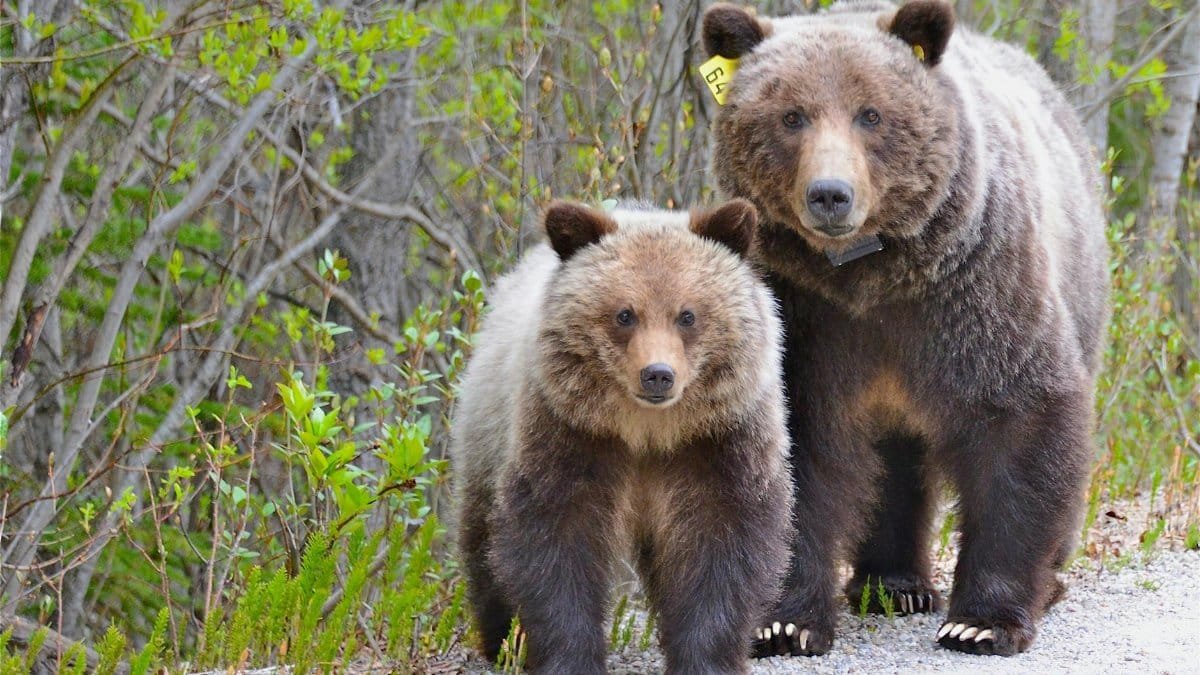
In the quiet foothills of Monrovia, California, where chaparral meets suburbia, a black bear mother wandered into a neighborhood, her ribs stark against her matted fur. She had been hit by a car, her injuries too severe for survival. Wildlife officials made the heartbreaking call to euthanize her, leaving behind two tiny cubs, mewling and alone amid the eucalyptus trees. These monrovia orphaned bear cubs, barely a few months old, became a symbol of natures fragile intersection with human spaces, their story unfolding from tragedy to tentative hope at a San Diego sanctuary.
The Collision That Changed Everything

The incident began on a crisp March morning when a driver struck the adult bear on a winding road near Monrovia, a city nestled in the San Gabriel foothills about 20 miles northeast of Los Angeles. Residents reported sightings of the emaciated animal rummaging through trash bins for weeks prior, a common sight as Californias bear population expands into urban edges. California Department of Fish and Wildlife officials arrived swiftly, assessing the bears shattered pelvis and internal damage. With no viable rehabilitation options, euthanasia was deemed the most humane choice, a decision that echoes the states protocol for non-releasable wildlife.
Unveiling the Cubs Hidden Den

As workers prepared to remove the mothers body, faint cries pierced the air. Tucked in a nearby thicket, rescuers discovered the two cubs, each weighing just five pounds, their eyes still hazy from recent opening. Named Huckleberry and Blackberry by caretakers for their wild berry habitat, these monrovia orphaned bear cubs were shivering, dependent entirely on milk their mother could no longer provide. Biologists noted the cubs showed no immediate injuries but carried the weight of early trauma, their survival hinging on round-the-clock intervention.
The Urgent Transfer South
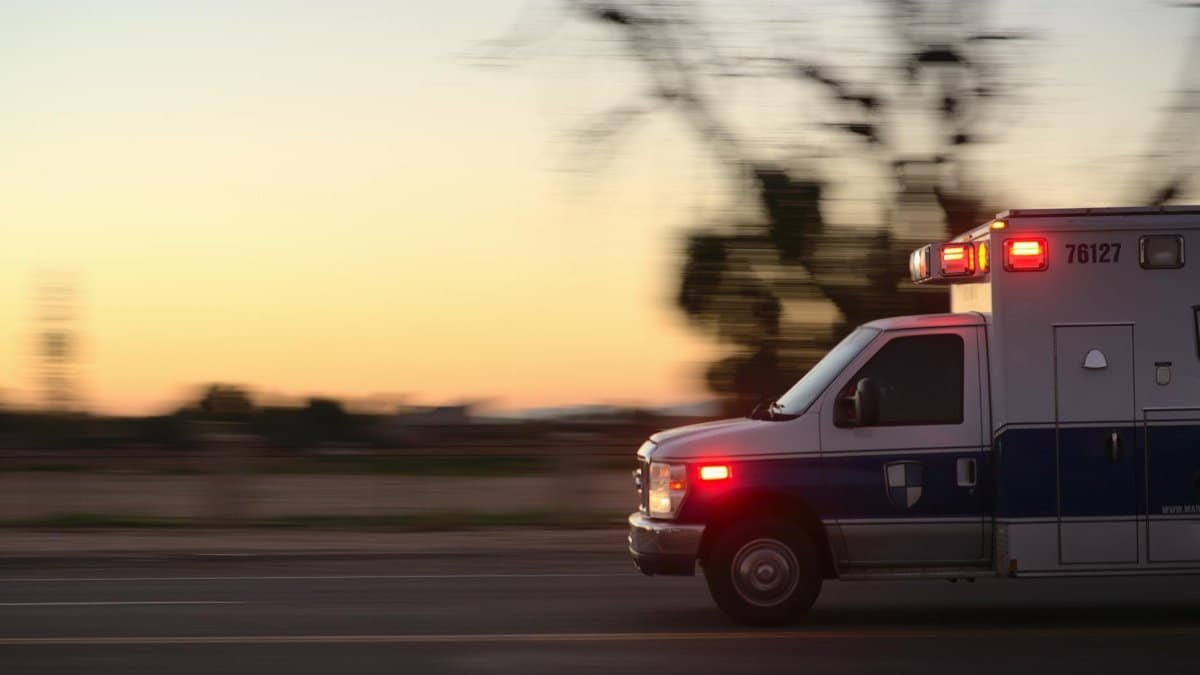
Transporting orphaned black bear cubs demands precision to avoid stress-induced shutdown. Officials crated Huckleberry and Blackberry in climate-controlled carriers, embarking on a three-hour drive to the San Diego Humane Societys Ramona Wildlife Center, one of few facilities equipped for ursine neonates. En route, veterinarians monitored vitals via remote telemetry, administering electrolyte drips through tiny IVs. This relocation underscored a network of regional sanctuaries stepping up when local options falter, a pattern seen in rising bear human conflicts across Southern California.
First Days in Sanctuary

Upon arrival, the cubs entered quarantine, their new world a simulated den of soft flannel and infrared lamps mimicking maternal warmth. Formula feedings every two hours replicated the 12 ounces of milk a day a wild mother would supply. Staff at the center, which rehabilitates over 300 large mammals annually, observed the cubs instinctive behaviors: wrestling siblings, climbing branches, vocalizing distress. For the monrovia orphaned bear cubs, these routines built resilience, though early bottle rejections tested the teams patience.
Rearing bear cubs without a mother presents unique veterinary challenges. The Ramona team formulated a diet blending puppy milk replacer, goat milk, and bear-specific supplements rich in taurine and fats, gradually introducing solid foods like yams and insects. By week four, Huckleberry and Blackberry doubled their weight, tumbling in an enriched enclosure with logs and shallow pools. Experts like Dr. Karen Gonzalez, the centers wildlife veterinarian, emphasize that 70 percent of orphaned cubs reach releasable size within a year, citing a 2023 study from the International Bear Association on neonatal survival rates (available at bearbiology.org ).
The mothers plight reflects broader tensions in Monrovia, where development fragments bear corridors. The San Gabriel Mountains host an estimated 300 black bears, their numbers swelling 15 percent since 2015 per state tracking data. Residents, while sympathetic to the monrovia orphaned bear cubs, voice frustration over property raids, prompting calls for better fencing and aversion training. City council meetings post-incident debated bear-proof bins, balancing compassion with coexistence.
News of the cubs spread rapidly, igniting local fervor. Monrovia residents donated over $15,000 to the wildlife center within days, funding enclosure expansions. Social media campaigns featured cub cam footage, drawing 2 million views and messages of solidarity. One volunteer, a retired teacher from the area, knitted cub-sized blankets, symbolizing a collective embrace of vulnerability. This outpouring transformed personal loss into communal purpose.
Behind the scenes, cutting-edge care propelled progress. Ultrasound scans tracked organ development, while probiotic regimens combated formula-related gut issues common in orphans. Behavioral enrichment, drawn from protocols at the Alaska Wildlife Rehabilitation Center, included scent trails of native plants to imprint wild instincts. For these monrovia orphaned bear cubs, such measures boost release success to 85 percent, per centers internal audits shared publicly last year.
Long-term plans envision soft release into the San Bernardino National Forest by fall 2026, after acclimation in a pre-release pen. Cubs will learn foraging from surrogate adults via observation pens, minimizing human imprinting. Success stories abound: last years cohort of four Sierra Nevada orphans thrived post-release, tracked via GPS collars showing territory establishment within months. Yet risks linger, from predation to drought-stressed habitats.
In a category often blending news with deeper reflection, the saga of Huckleberry and Blackberry evokes renewal amid loss. Observers draw parallels to human orphanhood, where tragedy forges unexpected guardians. Local spiritual leaders in Monrovia hosted vigils for the mother bear, framing her euthanasia as a mercy mirroring compassionate end-of-life choices. This narrative, woven into sermons on natures cycles, fosters empathy, reminding readers of shared fragility.
The incident spurred policy discourse. State legislators proposed expanding relocation funding, citing a 2024 California Wildlife Federation report on urban bear incidents doubling since 2020 ( calwildlife.org ). Monrovia officials eye incentives for wildlife-friendly landscaping, aiming to prevent future orphanings. Advocates argue for proactive habitat corridors, linking foothill suburbs to wildlands.
As Huckleberry and Blackberry grow, their journey from monrovia orphaned bear cubs to wild ambassadors endures. This tale, rooted in one fatal collision, illuminates humanitys role in stewarding edges where worlds collide. Sanctuaries like Ramona stand as beacons, turning individual rescues into blueprints for coexistence. In the end, two cubs scampering toward freedom offer a quiet testament: even from shadows, light persists.
(Word count: 1,248)