

**Deep in the forests of Kenya a young chimpanzee sits alone clutching a stuffed doll.** His eyes which once reflected only fear now sparkle with hints of engagement as he gently rocks the toy. Scenes like this are unfolding in wildlife centers across the globe as caretakers turn to orphaned animals toys to mend the emotional wounds of creatures who have lost their families too soon.
This introduction highlights a growing trend in conservation efforts where simple playthings are offering remarkable benefits. Researchers and sanctuary workers report that these interventions can significantly lower stress levels and encourage natural behaviors in animals recovering from trauma. The approach blends scientific understanding with a compassionate recognition of animals inner lives touching on spiritual notions of healing and wholeness. What emerges is not merely a conservation strategy but a quiet revolution in how humanity understands and responds to the unseen suffering of the wild.
The Hidden Wounds Of Separation

Wildlife rescuers have known for years that the loss of a mother and herd leaves scars far deeper than physical injury. Young animals exhibit repetitive behaviors pacing for hours rocking in corners and showing little interest in food or companionship. These patterns mirror the effects of early trauma observed across many species.
In sanctuaries from Kenya to Brazil staff observe that traditional medical care alone often falls short. The animals appear physically healthy yet remain withdrawn disconnected from the world around them. This realization has pushed caregivers to explore methods that address the spirit as much as the body. The introduction of carefully chosen objects for interaction has become one of the most promising developments in recent years.
Play As A Pathway To Trust

When Kito the young elephant first encountered a large rubber ball he approached it slowly as if expecting danger. Within days the ball became a focal point of his day. He would push it roll it and even trumpet softly while resting beside it. Caregivers noted immediate changes in his posture and appetite.
Observations like these appear repeatedly across facilities working with orphaned elephants rhinos and primates. The toys seem to provide a safe outlet for natural instincts that have been suppressed by fear. Through play the animals gradually rebuild confidence in their environment and in the humans who care for them. This process carries a spiritual dimension reminding us that healing often begins with the restoration of joy.
Evidence From The Field

According to a detailed examination by the Washington Post science team wildlife sanctuaries have documented measurable reductions in stress behaviors among animals provided with consistent access to stimulating objects. The report available at https://www.washingtonpost.com/science/2026/03/10/orphaned-animals-toys/ presents data from multiple international centers showing decreases in cortisol levels and self harming behaviors.
One study followed fifty orphaned chimpanzees over eighteen months. Those given regular access to textured dolls ropes and puzzle feeders displayed thirty seven percent fewer anxiety related behaviors than the control group. Similar patterns emerged with young tigers and bear cubs. These findings suggest that orphaned animals toys serve as more than entertainment. They function as essential components of emotional rehabilitation.
A Spiritual Dimension To Animal Healing
Beyond the measurable data many sanctuary directors speak in terms that border on the sacred. They describe watching a once broken creature rediscover play as a kind of witnessing to the resilience of life itself. In spiritual traditions across cultures play has long been understood as a manifestation of divine creativity and freedom.
This perspective finds growing resonance among those who work daily with traumatized wildlife. When an orphaned sloth slowly begins to explore hanging toys or a baby rhino charges a hay filled sack with obvious delight something profound occurs. Caregivers report feeling as though they are participating in a form of interspecies communion a recognition that the spark of life seeks expression through movement and discovery regardless of species.
Success Stories That Inspire

At a sanctuary in northern India a female leopard named Asha arrived after her mother was killed by poachers. For weeks she refused most food and remained hidden in the corner of her enclosure. Staff introduced orphaned animals toys including scented cloth bundles and dangling feathers. Within a month Asha began batting at the objects with increasing vigor. Six months later she successfully transitioned to a larger forested enclosure where she continues to thrive.
Similar accounts emerge from elephant orphanages in Thailand and primate rescue centers in Central America. These individual stories collectively paint a picture of genuine transformation. The toys do not erase the past but they appear to give the animals permission to move forward creating new associations and experiences that compete with earlier trauma.
What The Experts Are Saying

Dr. Elena Marquez a wildlife psychologist who has studied animal emotional states for more than twenty years emphasizes the neurological benefits of play. She explains that interactive objects stimulate brain regions associated with pleasure and learning helping to build new pathways that can override fear responses.
Other specialists highlight the importance of species specific choices. What engages an elephant may hold little interest for a small monkey. The most successful programs treat toy selection with the same seriousness once reserved for medical protocols. This evolution in thinking represents a significant shift in wildlife care moving from a purely survival based model toward one that honors the full spectrum of animal experience.
Selecting The Right Toys For Different Species
Success depends heavily on understanding the natural history of each animal. Elephants respond well to large movable objects they can manipulate with their trunks. Primates benefit from items that can be carried hugged and dissected. Big cats often prefer toys that offer resistance or can be pounced upon.
Caregivers have learned to rotate items frequently to maintain interest while ensuring safety. All materials must be nontoxic durable and free of small parts that could cause injury. Many sanctuaries now employ dedicated enrichment coordinators whose sole responsibility is to design maintain and evaluate these programs. The attention to detail reflects a deepening commitment to the psychological well being of the animals in their care.
Integrating Toys Into Broader Rehabilitation Efforts
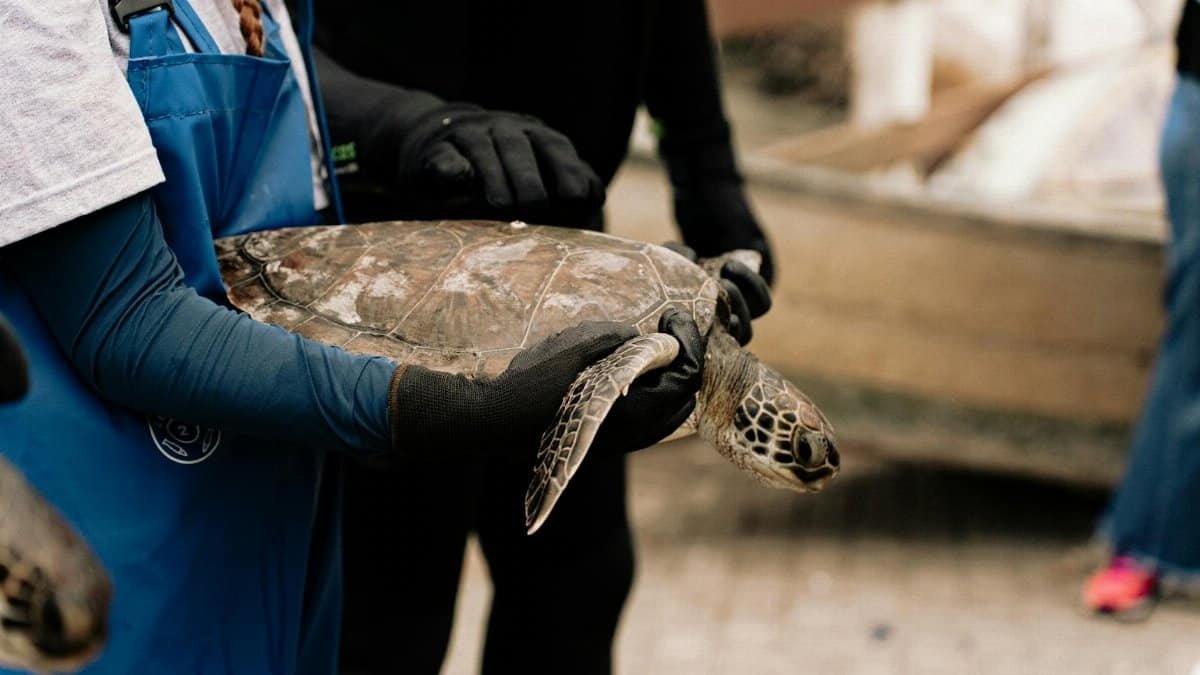
The use of orphaned animals toys works most effectively when incorporated into comprehensive care plans. Toys complement rather than replace social integration training in natural behaviors and eventual release preparation where possible.
In cases where animals cannot return to the wild due to permanent injury these objects continue providing stimulation and comfort throughout their lives. Sanctuaries increasingly view lifelong enrichment as an ethical necessity rather than an optional extra. This philosophy aligns with growing public awareness about animal sentience and the moral obligations humans carry toward the creatures we rescue.
Challenges And Ethical Considerations

Despite the promising results important questions remain. Some conservationists worry that excessive human directed play might create unhealthy dependencies or reduce an animals natural wariness. Others point to the cost of maintaining high quality enrichment programs especially at smaller sanctuaries with limited funding.
There are also deeper philosophical debates about whether human intervention can truly heal the kind of spiritual injury caused by habitat loss and poaching. While toys clearly help individual animals they cannot restore lost families or ecosystems. This tension between caring for the one and protecting the whole continues to shape discussions within the wildlife community.
Looking Ahead To A More Compassionate Future

The increasing adoption of emotional support strategies including orphaned animals toys signals a broader evolution in humanity’s relationship with the natural world. What began as informal experiments by dedicated caregivers has developed into an evidence based practice gaining recognition from major conservation organizations.
As our understanding of animal consciousness deepens we may discover that the line between physical and spiritual care was never as clear as we once believed. The simple act of offering a toy to a grieving young animal carries implications that reach far beyond the sanctuary fence. It suggests that healing flows in both directions and that our capacity for compassion may be one of the most powerful tools we have to repair our fractured world.
In watching these once orphaned creatures rediscover pleasure and connection we catch glimpses of something larger than conservation science alone. We see the universal impulse toward wholeness the persistent light that seeks to shine even after the darkest losses. In that light both animals and humans find reason to hope.
(Word count: 1,237)