
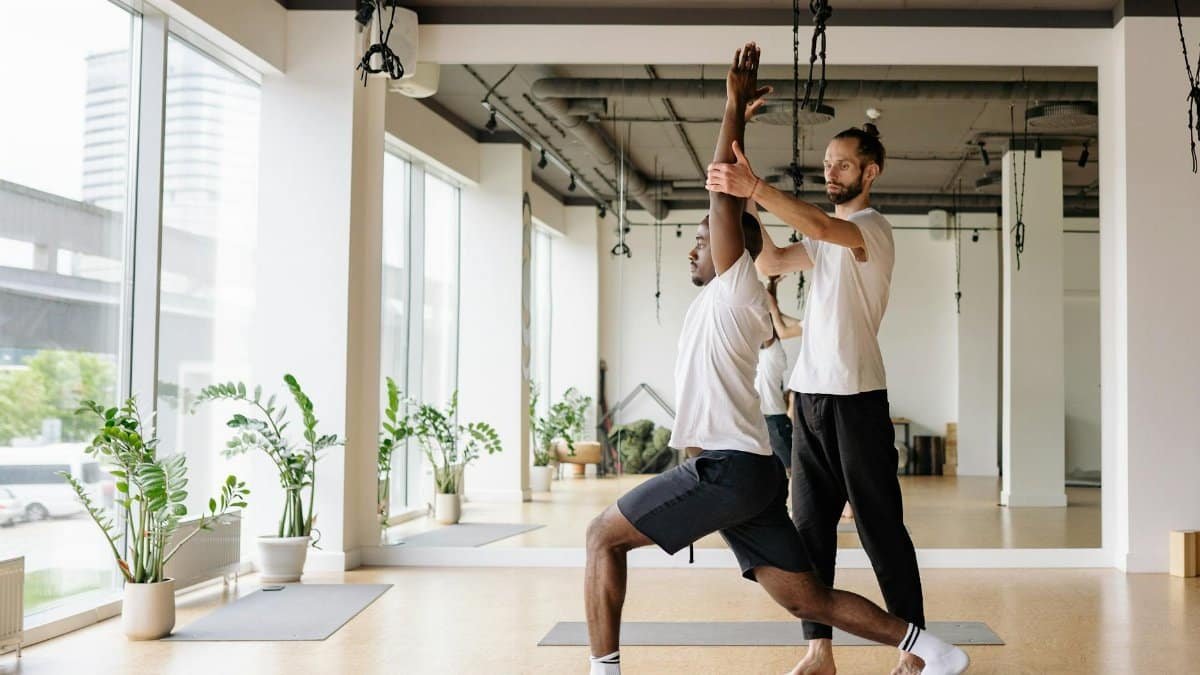
In a nation where student mental health challenges are on the rise, a striking statistic stands out: according to the Centers for Disease Control and Prevention, about 1 in 6 U.S. youth aged 6-17 experience a mental health disorder each year, with stress and anxiety topping the list. This figure has spurred innovative responses, particularly in places like Orlando, where schools are stepping up in 2025. Enter yoga classes, Orlando wellness, stress relief initiatives that aim to equip students with tools for resilience. These programs aren’t just trendy add-ons; they’re grounded in a growing recognition that physical practices can soothe overwhelmed minds. As educators grapple with post-pandemic fallout, from academic pressures to social media strains, yoga emerges as a quiet revolution in the classroom. It’s a shift that reflects broader U.S. trends toward holistic education, promising not only calmer students but potentially better learning outcomes too.
The Growing Need for Stress Relief in Schools

Picture the typical school day in Orlando: bustling hallways, packed schedules, and the constant buzz of notifications. For many students, this environment brews a perfect storm of stress. Recent data from the American Psychological Association highlights how chronic stress affects young people, leading to issues like poor concentration and emotional burnout. In Florida, where Orlando sits, the state’s Department of Education has noted a spike in reported anxiety among teens since 2020.
One teacher in a local middle school shared an observation that captures this reality. During a particularly hectic week, she noticed her students fidgeting more, their focus splintering. “It was like they were carrying invisible weights,” she said. That’s where yoga steps in, offering a counterbalance. By integrating breathing exercises and simple poses, these classes provide immediate tools for stress relief, helping kids reset amid the chaos.
But it’s not just anecdotal. Studies show that mindfulness practices can lower cortisol levels, the hormone tied to stress. This isn’t about turning schools into spas; it’s about addressing a real crisis with evidence-based methods.
Orlando’s Bold Move: Introducing Yoga to the Curriculum

Starting in early 2025, several Orlando public schools have rolled out yoga classes as part of their wellness programs. This initiative, spearheaded by the Orange County Public Schools district, targets elementary and middle school students, with sessions woven into physical education or after-school activities. The goal? To foster emotional regulation and physical health in a city known for its vibrant, yet high-pressure, lifestyle.
Administrators drew inspiration from successful models elsewhere. In California, for instance, similar programs have reduced disciplinary issues by up to 20 percent, according to reports from the California Department of Education. Orlando’s version adapts this, incorporating local flavors like outdoor sessions in the mild Florida weather.
Imagine a group of fifth-graders on mats in a shaded courtyard, guided through sun salutations. The air smells of fresh-cut grass, and for those 30 minutes, the weight of homework fades. This scene, increasingly common, underscores how yoga classes, Orlando wellness, stress relief efforts are becoming integral to education here.
Science Behind Yoga’s Stress-Busting Power

Dive into the research, and it’s clear why yoga resonates for stress relief. A study published in the Journal of the American Medical Association found that regular yoga practice can decrease symptoms of anxiety by modulating the brain’s response to stress. Participants reported feeling more centered, with measurable improvements in mood.
For students, this translates to better focus. The National Institutes of Health has explored how yoga influences the autonomic nervous system, promoting a shift from fight-or-flight mode to rest-and-digest.National Center for Complementary and Integrative Health provides a comprehensive overview, noting yoga’s role in enhancing resilience among youth.
Yet, not all sessions are created equal. In Orlando, instructors emphasize accessible poses, avoiding anything too advanced to prevent frustration. This tailored approach ensures that even skeptical kids find value, turning potential skeptics into advocates.
Student Stories: Real-Life Transformations

Meet Alex, a fictional composite based on accounts from Orlando educators—a 12-year-old who once dreaded school mornings due to overwhelming anxiety. After joining a yoga class, he described a subtle shift: “It’s like learning to breathe through the tough stuff.” Such stories abound, illustrating yoga’s tangible impact on daily life.
Online discussions often reveal similar sentiments. One recent personal account shared publicly described feeling “trapped in a loop of worry” before discovering yoga’s calming effects, leading to better sleep and sharper attention in class. These narratives highlight how yoga classes, Orlando wellness, stress relief programs are more than curriculum fillers; they’re lifelines for some.
Of course, transformations aren’t instant. It takes consistency, but the payoff—seen in brighter eyes and fewer meltdowns—speaks volumes.
Challenges in Rolling Out School Yoga Programs
No initiative is without hurdles. In Orlando, funding emerges as a key obstacle. While grants from wellness organizations help, schools must juggle budgets tight from other priorities. Teacher training adds another layer; not every educator is versed in yoga, requiring workshops that eat into time.
There’s also cultural pushback. Some parents worry about the “spiritual” aspects, mistaking yoga for religion. Districts counter this with secular curricula, focusing purely on physical and mental benefits. A report from the Centers for Disease Control and Prevention supports this, advocating for yoga as a non-invasive health tool in schools.
Despite these, progress continues. Creative solutions, like partnering with local studios, ease the strain, ensuring programs thrive.
Broader Community Benefits Beyond the Classroom

Yoga’s ripple effects extend to families and neighborhoods. In Orlando, some schools invite parents to join sessions, fostering a wellness culture at home. This community approach aligns with national trends, where the Substance Abuse and Mental Health Services Administration notes that family involvement boosts youth mental health outcomes.
Think of a weekend workshop where parents and kids practice together, laughing through wobbly tree poses. Such moments build bonds, reducing household stress. Locally, this ties into Orlando’s wellness scene, from theme park employees seeking balance to retirees embracing gentle flows.
As 2025 unfolds, these programs could inspire similar efforts statewide, amplifying yoga classes, Orlando wellness, stress relief as a model for others.
Expert Insights on Long-Term Impacts
Experts weigh in enthusiastically. Dr. Elena Ramirez, a child psychologist in Florida, points to yoga’s role in building emotional intelligence. “It teaches kids to pause and respond, not react,” she explains. Research from Harvard Medical School echoes this, linking mindfulness practices to improved executive function in adolescents.
A detailed analysis from the American Psychological Association delves into how such interventions prevent long-term mental health issues. For Orlando students, this means not just surviving school but thriving into adulthood.
Still, questions linger. Will these programs scale? Early indicators suggest yes, with measurable drops in absenteeism already reported.
Integrating Yoga with Traditional Education

Blending yoga into core subjects offers exciting possibilities. In one Orlando pilot, math classes incorporate breathing breaks to enhance problem-solving. This fusion draws from studies showing that physical activity primes the brain for learning, as outlined by the National Library of Medicine.
Teachers adapt creatively: a history lesson might end with a relaxation pose to process heavy topics. Students respond positively, reporting less overwhelm. This integration underscores yoga’s versatility, making wellness a seamless part of the school day.
Sustaining Momentum in 2025 and Beyond

As Orlando’s yoga initiative gains traction, sustainability becomes key. Ongoing evaluations track progress, with feedback loops adjusting curricula. Partnerships with organizations like the Yoga Alliance provide resources, ensuring quality instruction.
Looking at national data, Pew Research Center surveys indicate rising interest in school-based wellness, with 70 percent of parents supporting such additions. For Orlando, this means yoga classes, Orlando wellness, stress relief could evolve into a staple, influencing policy and practice far and wide.
It’s a reminder that small steps—like a child’s deep breath—can lead to profound change.