
Oregon’s drug decriminalization dream has crashed. On February 10, 2026, state officials pulled the plug on the landmark law, marking a swift oregon drug rollback amid chaos. A state of emergency gripped Portland, triggered by record-high fentanyl overdoses and open public drug use everywhere. The move ends what leaders once hailed as a progressive experiment. Now, questions swirl: Can recriminalization stem the tide, or is it too late?
The Official Rollback Announcement
Oregon officials wasted no time. They declared the decriminalization era finished. This landmark law, pushed through years ago, treated small drug possession as a civil violation, not a crime. Fentanyl deaths and street chaos forced their hand. The rollback restores penalties for possession. State leaders framed it as a necessary reset. Public safety topped their rationale. No more tickets or treatment referrals alone. Criminal charges return.
Portland’s State of Emergency

Portland hit crisis mode first. City officials declared a state of emergency. Overdoses surged to record levels. Fentanyl fueled most deaths. Public drug use turned streets into open markets. Tent encampments swelled with users. Police reports piled up. Emergency services stretched thin. Hospitals overflowed. The declaration unlocked resources. It signaled desperation. Local leaders begged for state intervention. Oregon answered with the full rollback.
Record Fentanyl Overdoses Exposed

Fentanyl overdoses shattered records. Deaths climbed relentlessly. The synthetic opioid proved deadlier than ever. Users mixed it unknowingly into other drugs. Portland saw the worst spike. Statewide numbers followed. Decriminalization meant no jail for possession. Critics said it removed deterrents. Treatment programs lagged. Overdose reversals with naloxone became daily drills. For context on the national fentanyl crisis driving such spikes, see the CDC’s Fentanyl Facts page. Oregon’s toll mirrored U.S. trends in 2026.
Rampant Public Drug Use Takes Hold
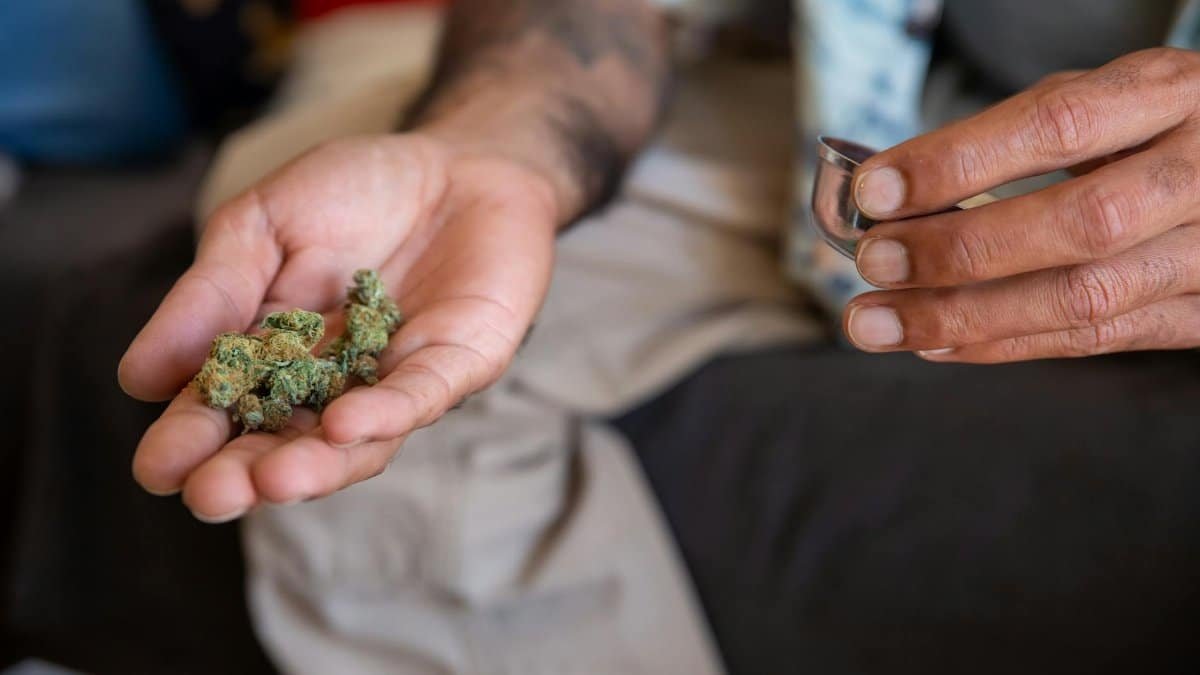
Public drug use exploded. Sidewalks, parks, and doorways hosted open consumption. Fentanyl and other hard drugs dominated. Decriminalization blurred lines. Users felt untouchable. Neighborhoods complained bitterly. Businesses shuttered early. Tourists fled. Videos captured scenes of despair. Police shifted from enforcement to harm reduction. The rollback aims to reclaim public spaces. Possession now carries misdemeanor weight again. Expect more arrests soon.
Why the Experiment Failed

The decriminalization law launched with big promises. Proponents eyed Portugal’s model. Oregon voters approved it narrowly. Early years showed mixed signals. Then fentanyl hit. Overdoses quadrupled in spots. Funding for treatment fell short. Voters soured fast. Polls captured regret. Officials admitted flaws. Public health goals clashed with reality. The rollback admits defeat. It pivots back to accountability. In 2026, Oregon joins states rethinking soft-on-drugs stances.
State Officials’ Rationale
Officials cited hard data. Record overdoses demanded action. Public use eroded community trust. Portland’s emergency sealed it. They stressed compassion remained. Treatment stays key. But penalties deter now. Governor’s office led the charge. Lawmakers moved bills fast. The rollback passed with bipartisan nods. No one defended the status quo. Leaders vowed better coordination. Federal aid on fentanyl could help, per ongoing U.S. efforts tracked by the National Institute on Drug Abuse.
Immediate Impacts on Enforcement
Enforcement ramps up post-rollback. Police regain tools. Simple possession means court dates. Fines and jail loom. Public use targets intensify. Portland patrols increase. Overdose calls get dual response: medics and cops. Treatment referrals persist. Shelters expand. The shift tests resources. Early arrests signal seriousness. Users face choices: quit or consequences.
Broader Policy Shifts Ahead
Oregon’s oregon drug rollback ripples out. Neighboring states watch closely. National debate reignites. Decriminalization loses shine. Fentanyl’s grip forces realism. In 2026, overdose deaths top 100,000 yearly nationwide. Oregon’s pivot underscores limits. Lawmakers eye hybrid models. Tougher borders on precursors matter. Public health integrates enforcement. Voters may demand more.
Community Reactions Pour In
Residents cheer the change. Families of overdose victims lead praise. Neighborhood groups celebrate. Critics warn of mass incarceration. Advocates push treatment first. Tensions simmer. Portland rallies show divide. Rollback supporters dominate. Hope flickers for safer streets. Long-term success hinges on follow-through.
Looking at Treatment’s Role
Treatment doesn’t vanish. Rollback pairs penalties with access. State funds behavioral health. Clinics target fentanyl users. Naloxone distribution surges. Prevention campaigns launch. Officials promise no return to war-on-drugs excess. Balance is the goal. Success metrics track overdoses and use. Oregon tracks progress closely in 2026.
This rollback closes a chapter. Oregon confronts its drug crisis head-on. Fentanyl’s shadow lingers. Public spaces may heal. Overdoses must fall. The experiment taught hard lessons. Accountability returns. Watch for results.