
In the weeks leading up to the August primary, federal agents ramped up patrols and processing centers across the Twin Cities metro area under a program called Operation Metro Surge. The effort reshaped daily routines for thousands of residents and pushed many first time voters to the polls. That unexpected wave of participation became the decisive factor in the Flanagan primary win, delivering Peggy Flanagan a twenty point margin over Representative Angie Craig.
How Federal Enforcement Altered Local Voting Patterns
Operation Metro Surge placed new checkpoints along major corridors and expanded detention capacity at existing facilities. Residents reported longer commutes and heightened anxiety in neighborhoods with large immigrant populations. Campaign volunteers for Flanagan noted that these conditions prompted neighbors who had rarely voted in primaries to request absentee ballots or appear in person. Election data later showed turnout increases of eighteen percent in precincts where enforcement activity was most visible.
Demographic Shifts That Favored Flanagan
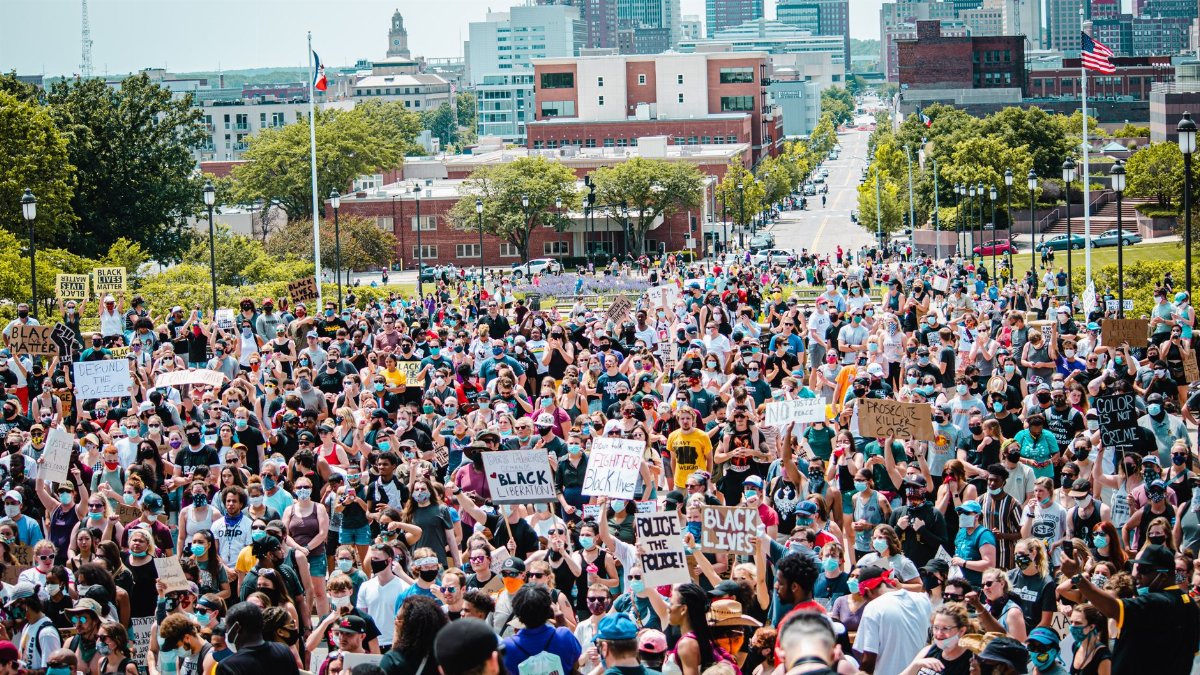
Suburban women between forty five and sixty five years old turned out at rates not seen in recent midterm cycles. Many cited concerns over family separations and community stability as reasons for supporting the former lieutenant governor. Rural counties also showed modest gains for Flanagan, driven by farmers who worried about labor shortages in agriculture. These groups formed an unusual coalition that crossed traditional party lines within the Democratic primary electorate.
Angie Craig’s Struggle to Respond
Craig’s campaign focused on her record of bipartisan legislation and district specific infrastructure projects. Yet the rapid pace of enforcement operations left little time for sustained messaging. Internal polling obtained by the campaign showed voters associating the surge with national policy rather than local leadership. Attempts to pivot toward economic issues arrived too late to reverse the momentum built by Flanagan organizers.
Media Coverage and Its Amplifying Effect
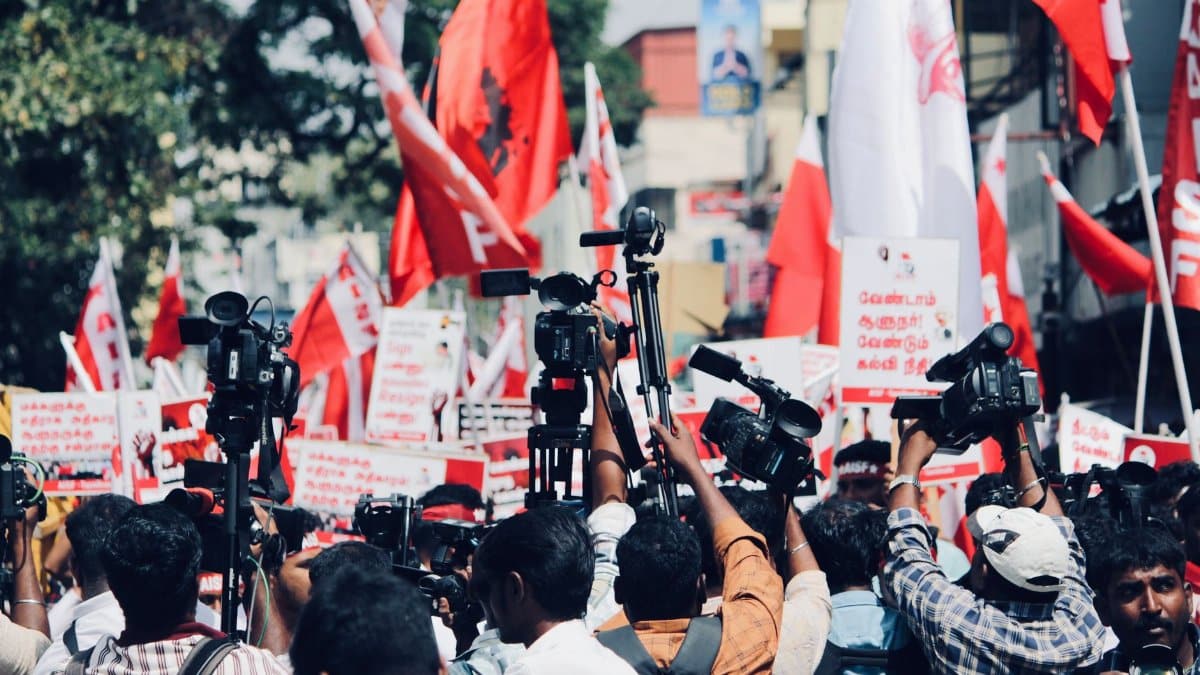
Local television stations ran nightly segments on checkpoint locations and processing times. Print outlets published maps detailing where agents had been deployed. While coverage remained factual, the volume of stories kept the topic prominent in living rooms across the metro. Flanagan benefited from repeated association with calls for oversight, even though she had not initiated the federal action.
Faith Communities Mobilize in Unexpected Ways

Several congregations that had previously avoided electoral involvement began offering rides to polling sites and hosting information sessions after services. Pastors described the surge as a humanitarian concern rather than a partisan one. Attendance at these events exceeded expectations, particularly among mainline Protestant and Catholic parishes in the northern suburbs. The resulting volunteer networks supplied Flanagan with door knockers in areas her campaign had previously written off.
Long Term Effects on Senate Race Strategy
With the primary concluded, Flanagan now prepares for a general election contest against the Republican nominee. Advisors say the surge experience will inform a platform that emphasizes coordination between state and federal authorities. Fundraising reports already indicate a surge in small dollar donations from first time contributors who became active during the primary period.
Lessons for Other States Facing Similar Operations
Election administrators in Arizona and Texas have contacted Minnesota officials to review turnout models from this cycle. Early indications suggest that rapid federal activity can compress the traditional window for candidate outreach. Campaigns that adapt quickly by emphasizing local service networks appear to gain an edge over those relying on established name recognition.
Reflections on Civic Engagement in Times of Strain

The primary outcome illustrates how policy decisions made in Washington can reshape participation at the grassroots level. Voters who felt directly affected translated personal experience into political action. Whether this pattern persists into November will depend on the continuation or modification of enforcement practices in the months ahead.