
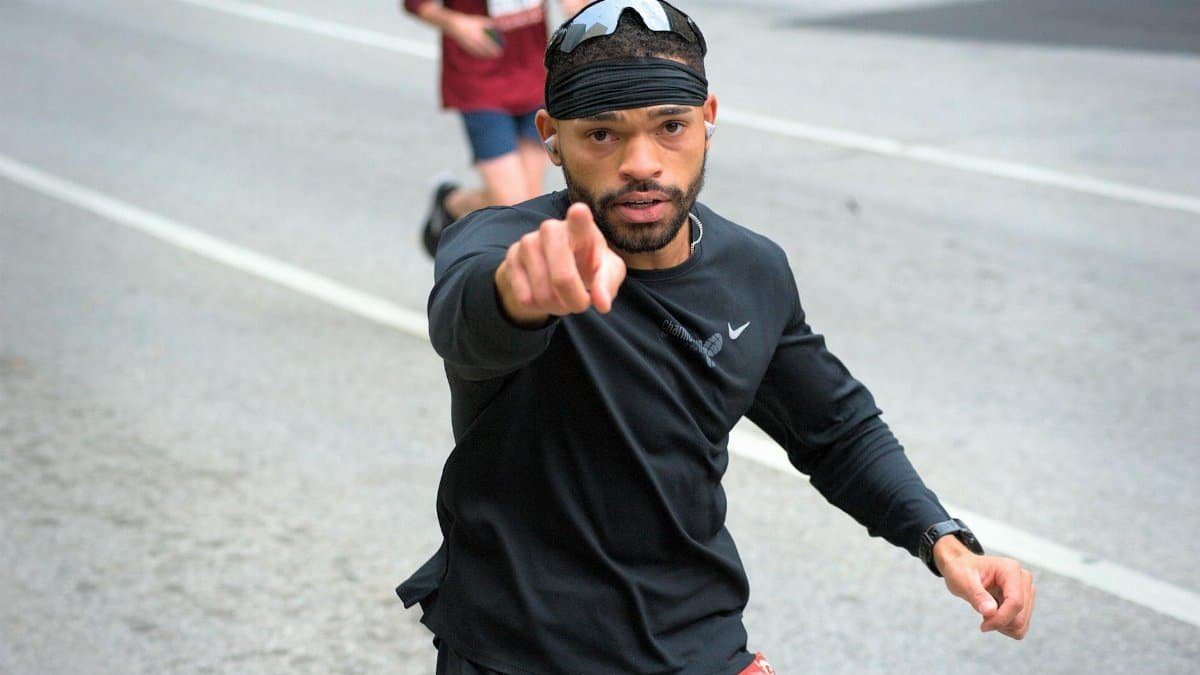
As the first rays of sunlight stretch across the Utah landscape olympic marathoner Clayton Young begins yet another day dedicated to the pursuit of human limits. His routine demands a rare combination of physical talent and unwavering daily commitment that sets him apart even among elite athletes. For those captivated by stories of endurance the clayton young marathon workout stands as a revealing example of what top level preparation truly requires. This carefully structured session blends distance volume with purposeful intensity to forge the specific fitness needed for marathon success. What emerges is not only a physical blueprint but also a deeper look at the discipline and self discovery that running at this level can inspire.
From Early Days to Olympic Dreams

Clayton Young first found his stride as a teenager growing up in the American west. His early experiences in cross country and track events built a foundation of consistency and joy in movement that would sustain him through years of increasingly difficult training. Coaches noticed his natural efficiency and quiet determination from the start. Rather than rush toward specialization he spent time developing a broad base of aerobic fitness and mental resilience. These formative years taught him that meaningful progress arrives through patient accumulated effort instead of sudden breakthroughs. By the time he reached collegiate ranks his love for the sport had deepened into a serious vocation. The transition to professional running brought new pressures yet Young continued to refine his approach with each season. His path to the Olympics required navigating injury setbacks and periods of self doubt but each challenge reinforced his resolve. Observers point to this steady progression as evidence that his current success rests on years of thoughtful preparation rather than raw talent alone.
Understanding the Unique Challenges of the Marathon
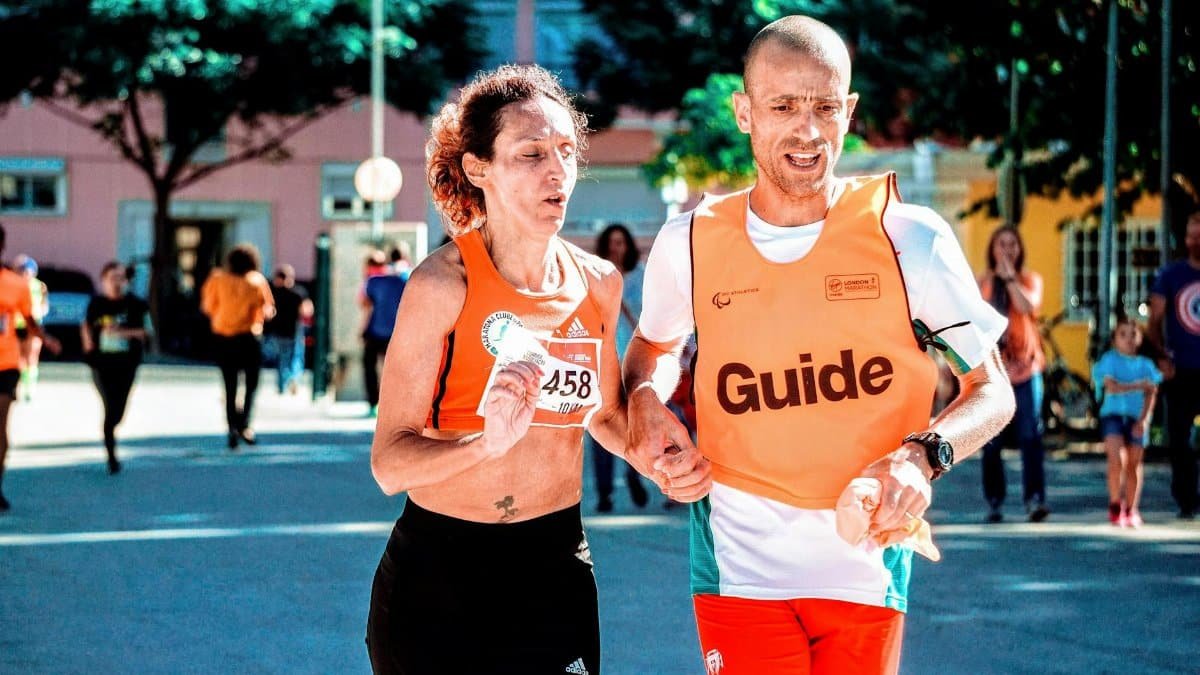
The marathon distance presents a distinct set of demands that separate it from shorter races. Athletes must sustain near maximal effort for well over two hours while managing energy stores hydration and mental focus. Even small miscalculations in pacing or nutrition can lead to dramatic declines in performance. Young approaches this challenge with respect for its complexity. He recognizes that success depends on training the body to operate efficiently across many physiological systems simultaneously. Aerobic capacity lactate threshold and muscular endurance all receive targeted attention. Beyond the physical elements the marathon tests character in ways few other activities can match. Runners often describe entering a private dialogue with discomfort where every mile asks whether they will continue. This internal conversation forms an important part of the spiritual news that surrounds distance running in contemporary culture. Many participants report moments of unexpected clarity or connection during long efforts that feel larger than the sport itself.
Core Principles Guiding His Training Regimen
Young builds his preparation around several consistent themes. Consistency across months and years ranks highest among them. He avoids dramatic shifts in workload preferring instead to layer improvements gradually. Recovery receives equal emphasis with training because adaptation happens during rest rather than during the workouts themselves. Nutrition follows a practical pattern focused on real foods that support sustained energy without unnecessary complication. Perhaps most distinctive is his willingness to embrace discomfort as a teacher rather than an enemy. This mindset allows him to extract valuable data from every session whether it feels successful or not. Those who study his methods note that he treats running as both craft and calling. The clayton young marathon workout embodies these principles in a single demanding package that challenges multiple energy systems while reinforcing mental patterns essential for race day.
Breaking Down the Clayton Young Marathon Workout
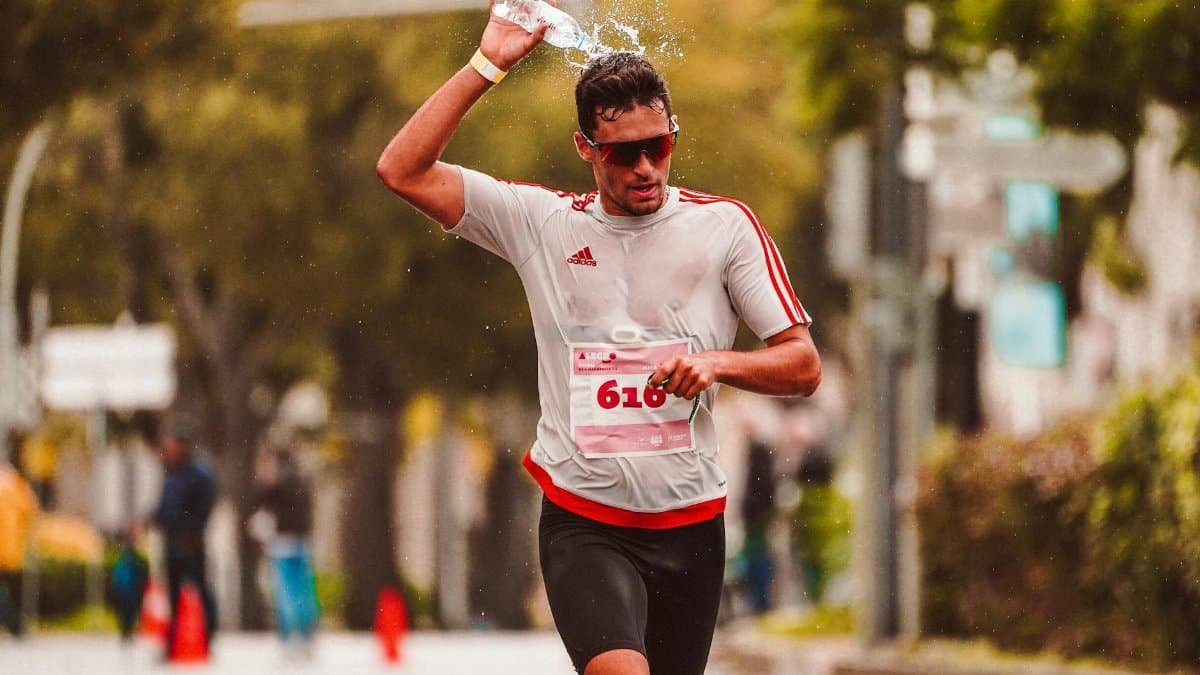
The clayton young marathon workout represents one of his cornerstone sessions during peak training blocks. He typically performs it every three to four weeks to measure progress and stimulate specific adaptations. The full effort covers approximately twenty miles in total distance. It begins with four miles of easy running to prepare muscles and joints for harder work ahead. Next comes the primary training stimulus: eight continuous miles at a pace very close to his target marathon speed. This prolonged effort at race intensity while already somewhat fatigued teaches the body to clear lactate efficiently and maintain form under accumulating stress. After this central segment he adds four miles with gradual surges that simulate the changing demands of a competitive marathon. The session concludes with four miles of relaxed running to promote active recovery and mental decompression. Throughout the workout Young focuses on smooth rhythm and relaxed breathing even as effort intensifies. The entire sequence usually takes between two hours and fifteen minutes depending on terrain and conditions.
Preparing the Body for the Main Set

Effective execution of this session depends heavily on proper preparation in the days leading up to it. Young ensures his carbohydrate stores are well supplied by adjusting his diet in the preceding forty eight hours. He also prioritizes sleep and light movement to enter the workout fresh rather than already worn down. The warmup phase receives careful attention because it sets the tone for everything that follows. By starting slowly he allows his cardiovascular system to ramp up gradually which reduces injury risk and improves efficiency once the faster segments begin. Many runners underestimate the importance of this initial phase yet Young treats it as integral to the overall training effect. He also pays close attention to weather conditions and course selection choosing routes that provide some protection from wind while still offering realistic marathon simulation.
The Mental Demands and Spiritual Rewards

Completing the clayton young marathon workout requires more than physical capability. The middle miles particularly test concentration as fatigue accumulates and the mind begins to offer persuasive reasons to slow down. Young has developed strategies for these moments that blend focus techniques with positive self talk developed over many years. What begins as a hard physical effort often transforms into something more meaningful by the final miles. Many athletes including Young describe entering states of heightened awareness where the boundary between self and surroundings seems to soften. These experiences connect to broader spiritual news and trends around movement based practices that emphasize presence and surrender. The workout becomes a form of active meditation where discomfort serves as the doorway to deeper self knowledge. This dimension elevates the training from mere preparation to a practice with potential for personal transformation.
Building More Than Physical Strength

While the clayton young marathon workout clearly targets physiological adaptations its effects extend well beyond muscle fibers and oxygen uptake. Regular exposure to this type of training cultivates patience humility and trust in process. Young speaks of learning to value incremental progress over immediate results. These lessons transfer readily to other areas of life including work relationships and personal growth. In an age that often celebrates quick transformation his method offers a counter narrative rooted in time tested principles of development. The spiritual undertones become particularly evident when runners discuss the sense of community that forms among those who share similar disciplined practices. Even though Young trains largely alone he remains connected to a global network of athletes who understand the private challenges and rewards involved.
Recovery and Reflection After Intense Effort
What follows the workout matters as much as the session itself. Young prioritizes immediate nutrition focusing on easily digested proteins and carbohydrates to begin the replenishment process quickly. Gentle walking or light cycling on subsequent days helps clear metabolic byproducts while allowing tired tissues to recover. Perhaps most important is the practice of reflection. He reviews each key workout mentally noting what felt strong what felt labored and what small adjustments might improve future efforts. This thoughtful approach prevents the accumulation of training errors and promotes continuous refinement. Many middle aged runners facing their own physical limits find inspiration in this commitment to learning rather than simply pushing harder. The recovery phase completes the circle turning physical stress into lasting adaptation.
Adapting the Workout for Everyday Runners
While few readers will replicate the clayton young marathon workout exactly its underlying concepts can inform more modest training plans. The central idea of practicing marathon pace while already somewhat tired translates well to shorter versions. A recreational runner might complete six to ten total miles with two to three miles at goal race pace near the end of the run. The important element remains the placement of faster running after some fatigue has accumulated. This teaches pacing judgment and builds confidence that can transfer to actual race day. Beginners should start with much shorter efforts and gradually increase duration as fitness improves. The spiritual lessons of patience and self compassion remain accessible regardless of current speed or distance capability. Consulting a coach or experienced training partner can help ensure safe progression without unnecessary setbacks.
Insights From Science and Coaching Perspectives
Sports science continues to validate many elements of Youngs approach. Research from the University of Colorado Boulder suggests that incorporating race specific pace work within longer runs improves running economy more effectively than strictly segregated training sessions. A 2021 study published in Medicine and Science in Sports and Exercise found similar benefits in trained distance runners who practiced sustained efforts at marathon intensity. Coaching voices from across the sport echo these findings while adding practical nuance about individualizing the workload. Young works closely with his coach to adjust volume and intensity based on ongoing feedback from his body. This collaborative relationship exemplifies the balance between data driven decisions and intuitive understanding that characterizes the best modern training programs.
What the Future Holds for This Dedicated Athlete
At this stage in his career Young continues to pursue new goals while serving as an example for runners of all ages. His willingness to share the details of sessions like the clayton young marathon workout reflects a generous spirit that values the growth of the sport as much as personal achievement. Whether he stands on future Olympic starting lines or transitions toward different roles his influence on how runners think about preparation seems likely to endure. For middle aged readers navigating their own physical and spiritual journeys his story offers both practical guidance and philosophical encouragement. The path he follows reminds us that meaningful accomplishment grows from daily choices made with clear intention and quiet perseverance rather than from dramatic gestures or shortcuts.
The clayton young marathon workout ultimately represents more than a training session. It stands as a complete practice that engages body mind and spirit in the service of a difficult yet rewarding pursuit. Those who study it carefully may discover not only improved running performance but also fresh perspectives on discipline resilience and the kinds of growth that emerge only through sustained voluntary effort. In sharing his methods Young invites a broader conversation about what we might accomplish when we approach our limits with curiosity rather than fear.