
Far out in the Pacific Ocean where the waves stretch endlessly toward the horizon a group of marine scientists witnessed something extraordinary. An aged male humpback whale engaged in a courtship ritual that combined powerful vocalizations with graceful movements. His performance drew the attention of several females in the pod. This scene captures the essence of a growing body of research into older male whales mating. It seems that with advancing years these creatures develop skills that give them a significant edge in the quest to reproduce.
The latest study suggests that experience accumulated over a lifetime allows these older males to outperform their younger rivals. They have mastered the social dynamics of their groups. They know when to be bold and when to be patient. Such insights challenge the notion that prime physical condition is all that matters in the mating game. Instead knowledge and refined abilities play a central role. This understanding opens new windows into the complex lives of whales and by extension invites us to reflect on the strengths that come with maturity in our own species. The research highlighted in a Washington Post article explores how these patterns appear across multiple populations and challenges previous assumptions about vitality in marine mammals.
Experience As The Ultimate Advantage

In the realm of whale reproduction experience emerges as a decisive factor. Older males have spent decades navigating the ocean learning the nuances of communication and interaction. This knowledge translates into better outcomes when it comes to securing mates. They understand the timing of migrations and the locations where females gather. Their calls carry the weight of authority developed through consistent practice.
Studies indicate that females often prefer these seasoned individuals because their displays signal reliability and good genes that have allowed survival to an advanced age. It is not simply about survival however. It is about the ability to thrive and to pass on not just genetic material but also behavioral knowledge although the latter is not genetically encoded it is culturally transmitted in some whale societies.
The advantage becomes clear during breeding seasons when competition is fierce. While young males may charge in with enthusiasm the older ones employ strategy. They position themselves effectively and use their voices to create an aura of presence that fills the water around them. This approach yields higher success rates according to field data collected over many years.
Mastering The Art Of Whale Song
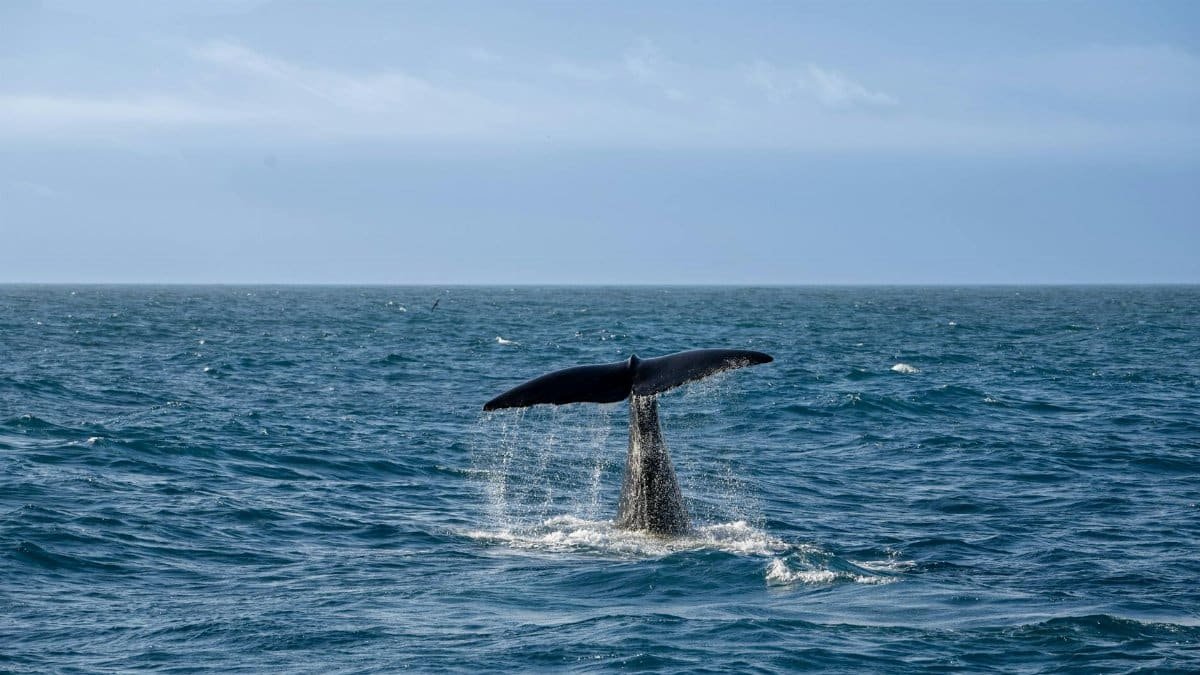
Whale song is one of the most remarkable phenomena in the natural world. Older males perfect these haunting melodies over time incorporating new elements and discarding what does not work. Their songs are longer more varied and more effective at attracting females. This mastery is a testament to the power of persistence and learning.
Scientists have recorded how the songs evolve as males age. What starts as a simple tune in youth becomes a complex symphony in later years. The older male whales mating use these songs to broadcast their fitness and experience to the entire pod. The sound travels vast distances under water serving as both a beacon and a declaration.
Research from various ocean basins confirms that females respond more favorably to the songs of older males. This preference may stem from an instinctive recognition that such males have the wisdom to contribute to the success of future generations. The songs themselves may convey information about the singers health and status in ways we are only beginning to understand.
Building Alliances Across The Years

Social bonds are crucial in whale communities. Older males often have established relationships with other members of their groups. These alliances can provide support during mating periods. A network built over time offers protection and information sharing that younger males have not yet developed.
Through repeated interactions these males learn whom to trust and whom to avoid. They form temporary coalitions to deter rivals or to guide females toward safe breeding areas. This level of social sophistication gives them an upper hand in the competitive landscape of reproduction.
The alliances are not permanent but they are informed by a history of shared experiences. This history allows for quick decision making and coordinated efforts that can mean the difference between success and failure in mating attempts. It is a beautiful example of how community matters even in the seemingly solitary expanses of the sea.
Why Younger Males Often Fall Short

Younger males bring vigor and novelty to the mating arena. Their energy is undeniable yet they frequently lack the refined tactics that lead to successful pairings. Without the benefit of experience they may misread signals or expend too much effort in unproductive pursuits.
Observations show that younger whales sometimes disrupt their own chances by being overly aggressive or failing to synchronize their efforts with the rhythms of the pod. In contrast older males move with a deliberate calm that comes from knowing the patterns of behavior that lead to positive outcomes.
This is not to diminish the role of youth in the population. Young males grow and learn becoming the experienced elders of tomorrow. The cycle ensures that the population maintains a balance of vitality and wisdom. Yet in any given season the data points to the clear advantage held by those with more years behind them.
Insights From Decades Of Field Research
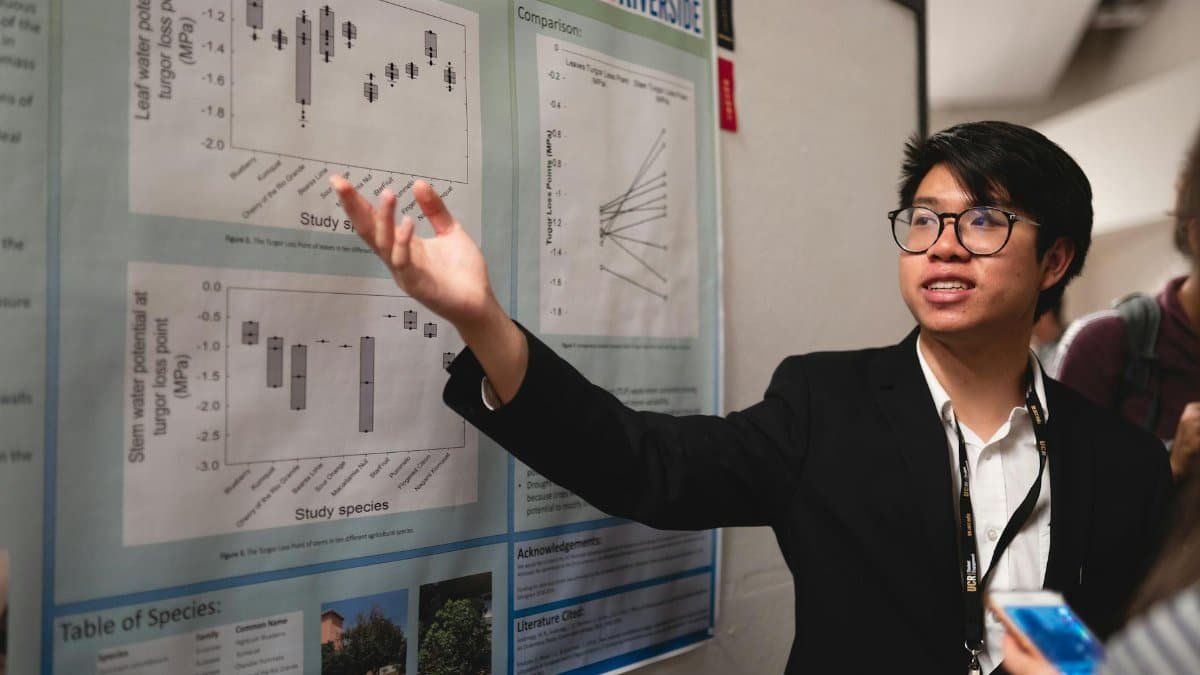
Marine biologists have dedicated their careers to following whale populations across seasons and generations. Their work has been instrumental in revealing the patterns associated with older male whales mating. Through photo identification and acoustic monitoring they have tracked individuals over many years.
One team working in the waters around Hawaii documented how a particular male improved his mating success as he aged from twenty five to over forty years. His story is not unique but it provides a compelling case study. The dedication of these scientists allows us a glimpse into lives that would otherwise remain hidden beneath the waves.
The technology used in these studies has advanced considerably. Drones underwater microphones and satellite tags all contribute to a fuller picture. What emerges is a portrait of intelligent beings whose lives are rich with learning and adaptation. For more on the foundational reporting see the Washington Post overview of this research alongside supporting data published in marine science journals.
Conservation Lessons From These Majestic Creatures

Understanding the importance of older males in whale reproduction has significant implications for conservation efforts. Protecting these individuals ensures that their knowledge can be passed on through successful breeding. It also maintains the cultural transmission of songs and behaviors that define different whale populations.
Threats such as ship strikes entanglement in fishing gear and noise pollution disproportionately affect older whales who tend to inhabit certain migration routes. By focusing conservation on areas where these males are known to gather we can help sustain healthy populations.
Moreover recognizing the value of age in these animals encourages a broader appreciation for maturity in nature. It shifts the focus from quantity to quality in wildlife management. Every older male that survives to continue mating contributes to the resilience of his kind in the face of environmental changes.
Reflections On Aging And Wisdom In Nature

The story of older male whales mating invites us to consider our own attitudes toward aging. In a society that often celebrates youth the natural world offers a different message. Experience brings depth and capability that cannot be rushed or manufactured.
Middle aged readers may find particular resonance in these findings. Just as the whale refines his song over decades so too can humans hone their skills and relationships with time. There is comfort in knowing that advancement in years does not equate to decline but rather to a different form of strength.
Nature operates on principles that favor balance and accumulated insight. The whales embody this principle with their long lives and complex social structures. They remind us that every stage of life has its purpose and its power.
The Spiritual Connection Between Humans And Whales
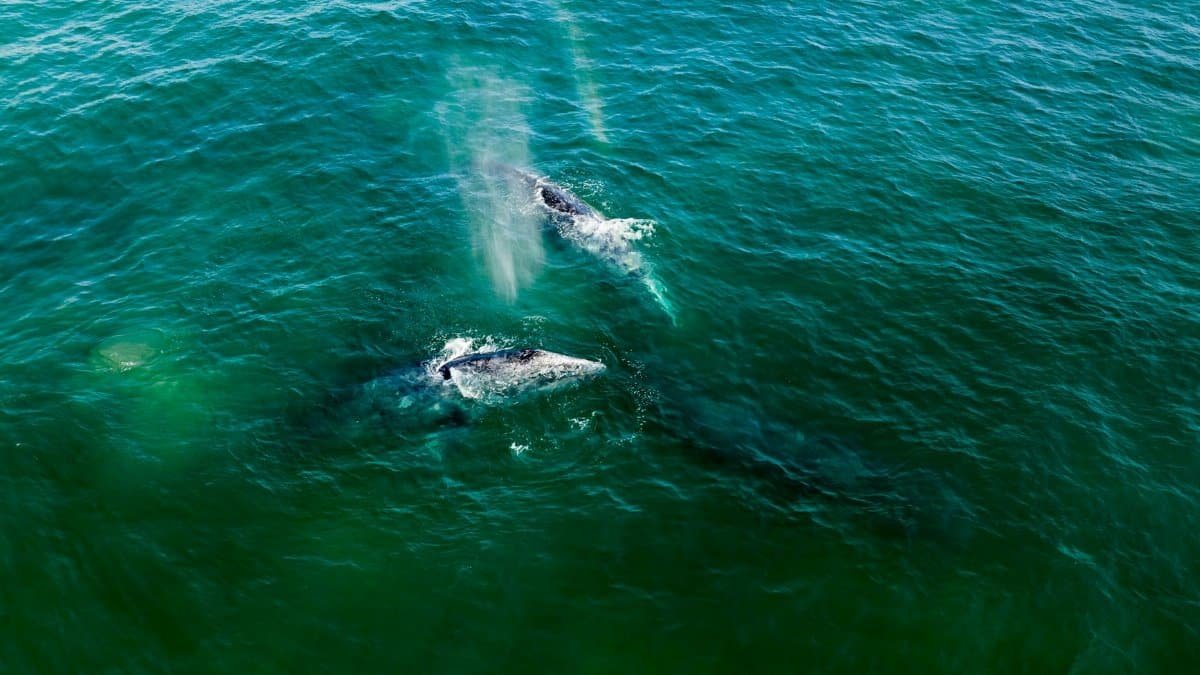
Many cultures have long viewed whales as spiritual beings messengers from the deep carrying ancient wisdom. The discovery that older males hold a mating advantage aligns with this perspective. It suggests a design in nature that values the elder as a vital part of the whole.
Indigenous traditions speak of whales as teachers and guides. Their songs have been compared to sacred chants that connect all living things. In this light the success of older males takes on a deeper meaning. It becomes a symbol of how wisdom nurtures the continuation of life.
As we confront environmental crises the spiritual dimension of these creatures calls us to greater responsibility. By protecting whales we honor not only their physical presence but also the lessons they offer about patience experience and the interconnected web of existence. Their lives encourage us to listen more closely to the rhythms of the natural world and to find our place within it.
Looking Ahead To New Discoveries

While current research has illuminated many aspects of this phenomenon much remains to be learned. Future studies will likely explore the genetic components of longevity in whales and how it relates to mating success. Advanced tracking methods may reveal even more about the migratory patterns and social interactions of these animals.
Collaboration between scientists from different disciplines will be key. Biologists acousticians and even anthropologists can contribute unique insights. The goal is to build a comprehensive understanding that informs both science and our relationship with the ocean.
As technology improves our ability to study these elusive giants without disturbing them will grow. The hope is that with increased knowledge comes increased stewardship. The older male whales with their proven track record in mating stand as ambassadors for their species inspiring awe and action in equal measure.