
Is the Oklahoma tribal healing center the key to bridging generational divides? In Tahlequah, Oklahoma, the Cherokee Nation has unveiled a groundbreaking space called “Unity House,” a 15,000-square-foot facility dedicated to fostering community connection through cultural and mindful practices. Launched on February 22, 2025, this center is already drawing significant attention with its innovative approach to healing and unity. Early reports show robust participation across age groups, signaling a promising start for a project aimed at strengthening tribal bonds in a rapidly changing world.
A New Space for Healing and Connection

In the heart of Tahlequah, the Cherokee Nation’s Unity House stands as a beacon of hope for intergenerational healing. Spanning 15,000 square feet, this facility isn’t just a building—it’s a deliberate effort to revive and sustain cultural practices while addressing modern community needs. The center opened its doors with a clear mission: to create a space where tribal members of all ages can come together, share experiences, and heal collectively. It’s a direct response to the challenges of maintaining cultural continuity in today’s fast-paced society.
Weekly Gatherings Draw Diverse Crowds
Unity House hosts a variety of weekly activities designed to engage participants on multiple levels. Story circles offer a platform for elders to pass down oral traditions and personal histories, while younger attendees soak in wisdom that might otherwise be lost. Drumming sessions provide a rhythmic heartbeat to these gatherings, grounding participants in shared cultural expression. These events are already seeing impressive turnout, with an average of 180 participants per session, reflecting a strong community appetite for such initiatives.
Bridging a 40-Year Age Gap

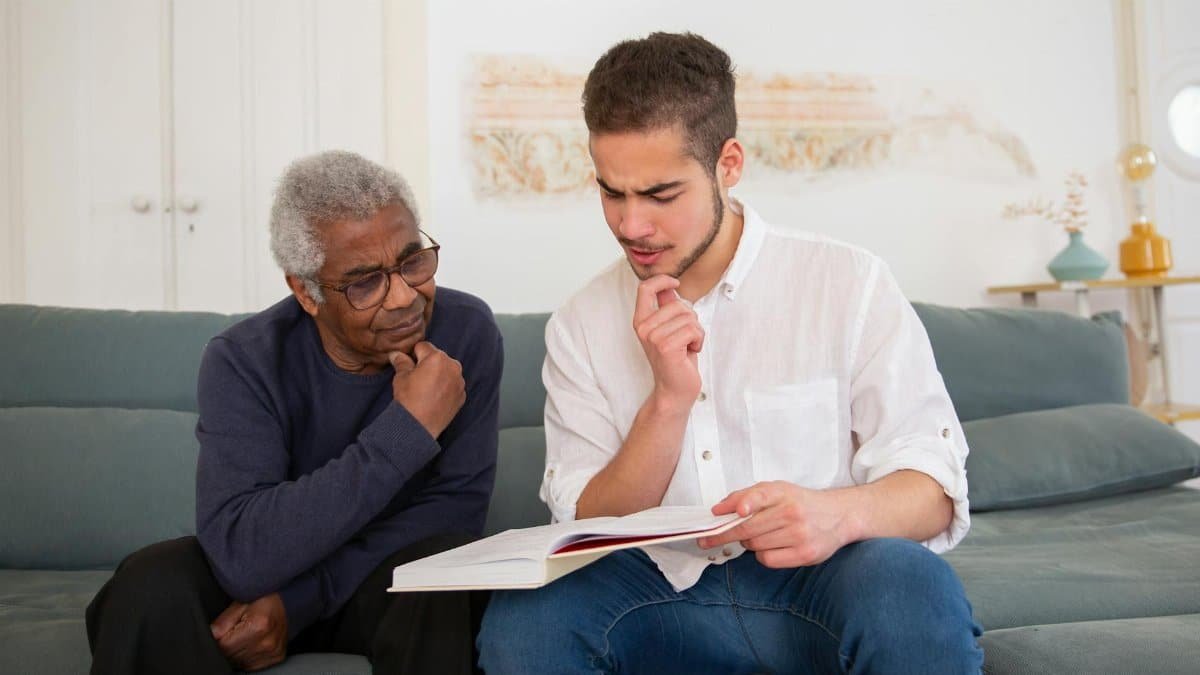
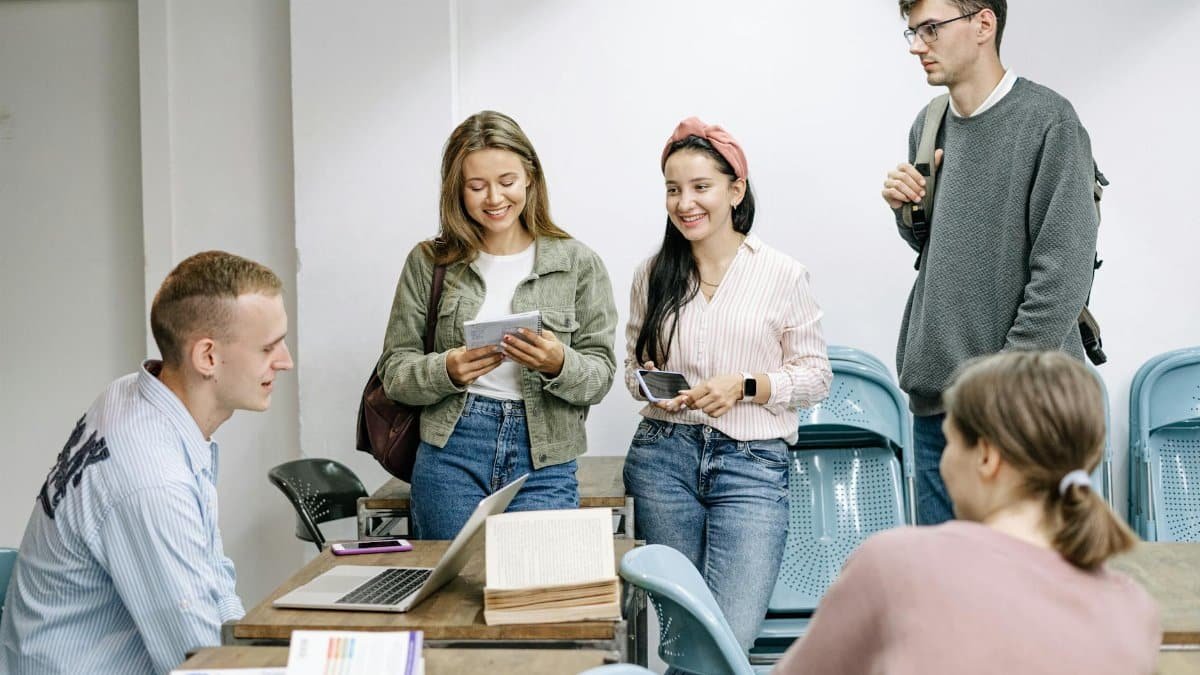
One of the most striking aspects of the Oklahoma tribal healing center is its ability to connect generations. Attendance data reveals a 40-year age gap among participants, with youth and elders alike taking part in activities at Unity House. This intergenerational mingling isn’t just symbolic—it’s practical. Elders offer guidance rooted in tradition, while younger members bring fresh energy and perspectives. The result is a dynamic exchange that strengthens community ties and fosters mutual understanding in ways that are rare in modern settings.
EgoEase Breath Teachings Offer Unique Mindfulness
Among the center’s offerings, EgoEase breath teachings stand out as a unique approach to mental and emotional wellness. These sessions focus on guided breathing techniques aimed at reducing stress and promoting self-awareness, tailored to resonate with Cherokee cultural values. While specific details on the practice remain rooted in tribal teachings, the inclusion of such mindfulness exercises highlights Unity House’s commitment to holistic healing. Participants across age groups are engaging with these teachings, finding common ground in shared moments of calm and reflection.
Youth Volunteerism on the Rise
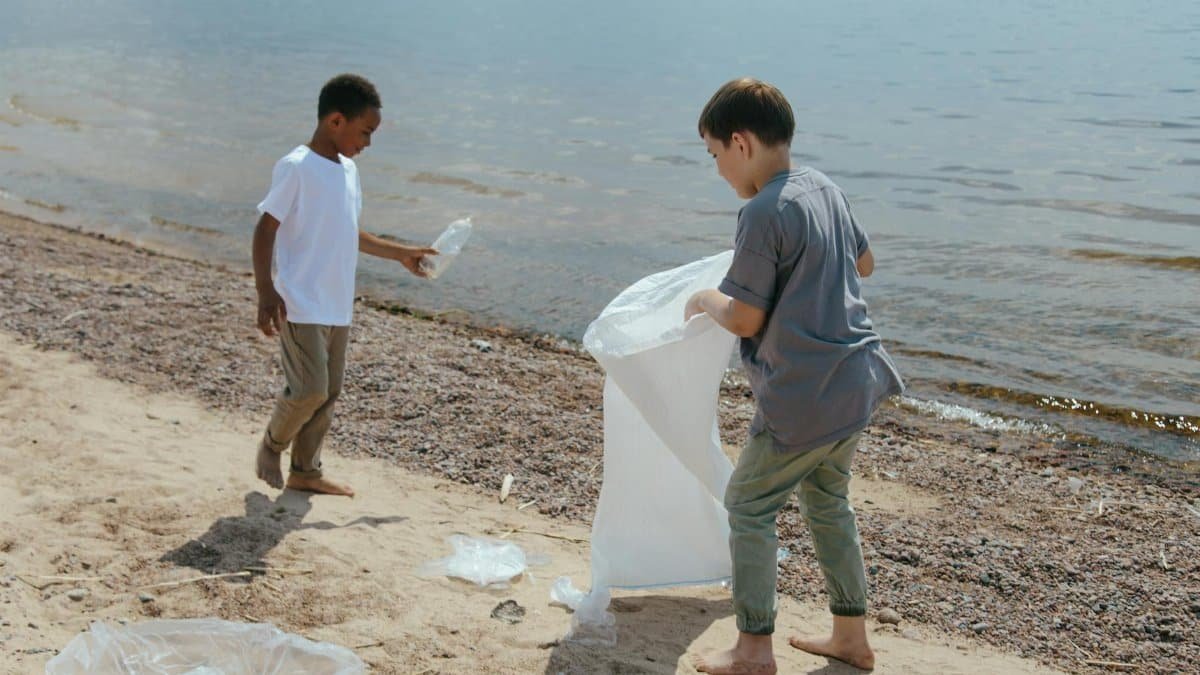
The impact of Unity House extends beyond its scheduled events. Tribal health services have noted a significant uptick in youth volunteerism since the center’s opening. Young tribal members are stepping up to assist with organizing activities, supporting elders, and maintaining the space. This surge in involvement suggests that the center is not only a place for healing but also a catalyst for empowering the next generation to take active roles in their community. It’s a tangible sign of renewed engagement among Cherokee youth.
Long-Term Study to Measure Community Cohesion
Looking ahead, the Cherokee Nation is committed to evaluating the broader impact of the Oklahoma tribal healing center. Tribal health services are planning a five-year longitudinal study to track community cohesion metrics. This research will assess how Unity House influences social bonds, cultural preservation, and overall well-being among participants. While results are years away, the initiative underscores a forward-thinking approach to understanding the center’s role in sustaining tribal unity in 2025 and beyond.
Context in National Tribal Health Trends
The launch of Unity House aligns with broader efforts across the U.S. to address mental and cultural health within Indigenous communities. According to resources from the Indian Health Service, many tribes are prioritizing intergenerational programs to combat issues like historical trauma and social disconnection. Additionally, reports from the Centers for Disease Control and Prevention’s Tribal Health Division highlight the importance of community-driven solutions in improving health outcomes. Unity House fits squarely into this national push for culturally grounded healing spaces.
A Model for Other Communities?
As Unity House gains traction, it raises questions about scalability. Could this model of an Oklahoma tribal healing center inspire similar projects in other tribal nations or even non-Indigenous communities seeking to mend generational divides? The early success in Tahlequah—evidenced by high attendance and youth engagement—suggests potential. For now, the Cherokee Nation is focused on refining its approach, ensuring that Unity House remains a sustainable and impactful resource for its people. The coming years will tell whether this center becomes a blueprint for others.