
In a bold move, Ohio has transformed a forgotten steel mill in Youngstown into a groundbreaking mindfulness adventure park, dubbed the “Ohio Mindfulness Mill.” This $40 million project is redefining urban renewal, turning industrial decay into a sanctuary for mental wellness. With labyrinth walks, dim tunnels for breathwork, and serene rooftop gardens, the site is drawing attention nationwide. Already, Youngstown reports a 12% tourism uptick, signaling a new chapter for a city once defined by rust. This innovative pivot is not just a park—it’s a symbol of resilience.
A Vision of Renewal in Youngstown

The Ohio Mindfulness Mill stands on the bones of a once-thriving steel mill, a relic of Youngstown’s industrial past. Abandoned for decades, the site was an eyesore until city planners and private investors saw potential for something radically different. The $40 million makeover, completed in early 2025, has turned rusted beams and crumbling walls into a unique wellness destination. It’s a striking contrast to the city’s history of job loss and decline, offering a fresh identity rooted in healing and reflection.
Unique Features Draw Crowds

Visitors to the Ohio Mindfulness Mill encounter an array of immersive experiences designed to foster calm and introspection. Labyrinth walks wind through repurposed factory floors, guiding guests on meditative journeys. Dimly lit tunnels, once used for transporting materials, now serve as spaces for breathwork sessions, their cool silence amplifying focus. Rooftop gardens offer panoramic views of Youngstown, blending nature with the industrial grit below. These elements combine to create an atmosphere unlike any traditional wellness retreat.
Tourism Boosts Local Economy

The impact on Youngstown’s economy is already measurable. Since the park’s opening, the city has seen a 12% increase in tourism, a significant lift for a region long struggling with economic stagnation. Hotels, restaurants, and small businesses are reaping the benefits as visitors flock to experience the mill’s unique offerings. Local officials are optimistic that this trend will continue, positioning Youngstown as a surprising hub for spiritual and wellness tourism in the Midwest.
Retraining Workers for a New Era
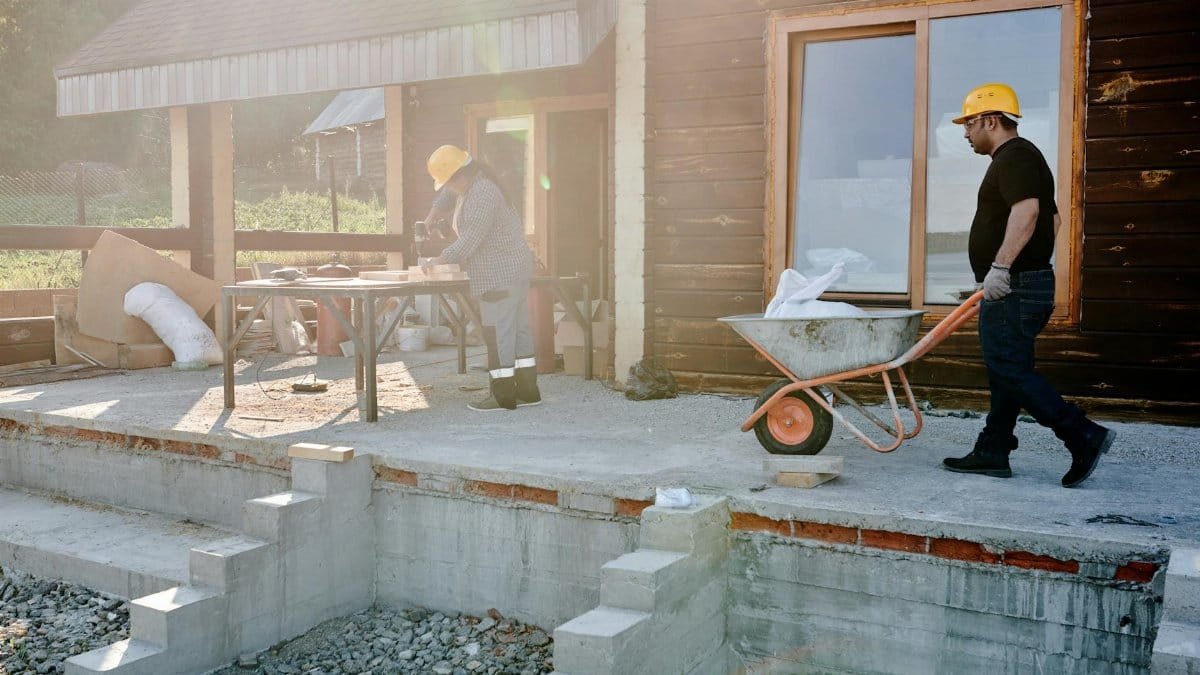
Perhaps the most inspiring aspect of the Ohio Mindfulness Mill project is its commitment to the community. Many former steelworkers, displaced by the mill’s closure years ago, have been retrained as guides and staff for the adventure park. This initiative not only provides jobs but also honors the site’s history by keeping its original workforce connected to the space. These guides bring personal stories of the mill’s past, adding depth to the visitor experience.
Blending Industry with Wellness

The park’s design intentionally preserves elements of its industrial roots, creating a powerful juxtaposition with its new purpose. Steel girders frame meditation spaces, and old machinery serves as art installations along walking paths. This blend of grit and serenity resonates with visitors, many of whom see it as a metaphor for personal transformation. The project reflects a growing U.S. trend of repurposing industrial spaces for modern needs, a movement gaining traction in 2025.
Broader Implications for Urban Revival

The success of the Ohio Mindfulness Mill could serve as a blueprint for other struggling cities. Urban planners across the country are watching Youngstown, noting how a focus on wellness and tourism can breathe life into forgotten spaces. The project aligns with national discussions on mental health, as reported by organizations like the Centers for Disease Control and Prevention, which highlight the rising demand for accessible wellness resources. It’s a model of innovation that prioritizes both community and individual healing.
Challenges and Future Growth

Despite its early success, the Ohio Mindfulness Mill faces hurdles. Maintaining the sprawling site requires significant funding, and some locals remain skeptical about its long-term viability in a city with limited resources. Yet, proponents argue that continued investment and marketing could solidify its place as a national landmark. Plans are already underway to expand programming, including wellness workshops and retreats, to attract even more visitors. The park’s story is still unfolding, but its impact is undeniable.
A Symbol of Hope

For Youngstown, the mill’s transformation is more than a tourist draw—it’s a beacon of hope. It shows how creativity and determination can turn loss into opportunity, a lesson relevant far beyond Ohio’s borders. As the U.S. grapples with deindustrialization and mental health challenges, projects like this offer a path forward. The National Institute of Mental Health, accessible via NIMH, underscores the importance of innovative approaches to well-being, and Youngstown is leading by example.