

Voters in Oakland County sent a strong message during the August 4 2026 primary when they rejected several proposals that would have raised funds for local services through Oakland public safety taxes. The outcomes surprised some officials who had expected support for measures addressing policing and emergency response. Turnout played a role as many residents chose to stay home while others showed up specifically to voice opposition. This pattern suggests growing caution about new tax burdens in a region where costs have risen steadily over recent years. Observers noted that similar proposals passed in prior cycles but faced different economic conditions then. The defeats leave local governments to reconsider how they will cover rising expenses without additional revenue streams.
Background on the ballot measures

Several townships and cities placed items before voters seeking millage increases dedicated to police staffing and fire department upgrades. Proponents argued these funds would maintain response times and equipment standards amid population shifts. Yet the measures failed by wide margins in most areas indicating broad resistance. Historical data shows Oakland County has approved such levies before but recent inflation and housing costs appear to have shifted priorities for many households.
Factors driving voter decisions

Economic pressures weighed heavily on the choices made at the polls. Families reported concerns over monthly budgets already stretched by groceries and utilities. Campaign materials highlighted existing tax levels and questioned the need for further increases. Some residents expressed doubt that added dollars would reach front line services rather than administrative overhead. These views spread through neighborhood discussions and online forums ahead of election day.
Impact on local government budgets

Without new revenue cities and townships must now trim planned expenditures or seek alternative sources. Officials have begun reviewing overtime policies and shared service agreements with neighboring communities. Some leaders suggest postponing equipment purchases while others explore grants from state or federal programs. The shortfall could affect recruitment efforts for new officers and firefighters in the coming fiscal year.
Public sentiment and trust issues

Surveys conducted after the vote revealed skepticism about government efficiency. Participants cited past instances where promised improvements did not materialize as expected. This lack of confidence appears widespread across suburban and rural precincts alike. Community meetings held since the election have focused on rebuilding that trust through greater transparency in spending reports.
Comparison with neighboring counties

Nearby areas faced similar ballot questions with mixed results. Some passed smaller scale requests while others saw outright rejection mirroring the Oakland County pattern. Analysts point to regional economic similarities yet note differences in how campaigns were conducted. These variations offer lessons for future efforts to secure public backing.
Future strategies for funding safety needs

Local leaders are exploring options such as reallocating existing funds or partnering with private entities for certain services. Volunteer programs and technology upgrades represent lower cost alternatives under consideration. Discussions continue about placing revised proposals on future ballots with adjusted scopes. Success will likely depend on clearer communication of benefits and cost controls.
Role of advocacy groups in the campaign

Organizations on both sides mobilized volunteers to reach potential voters through door to door efforts and mailings. Supporters emphasized safety statistics while opponents focused on fiscal restraint. The intensity of these activities influenced awareness levels though not enough to sway the final tallies. Such groups often shape outcomes in local elections of this type.
Long term implications for public services
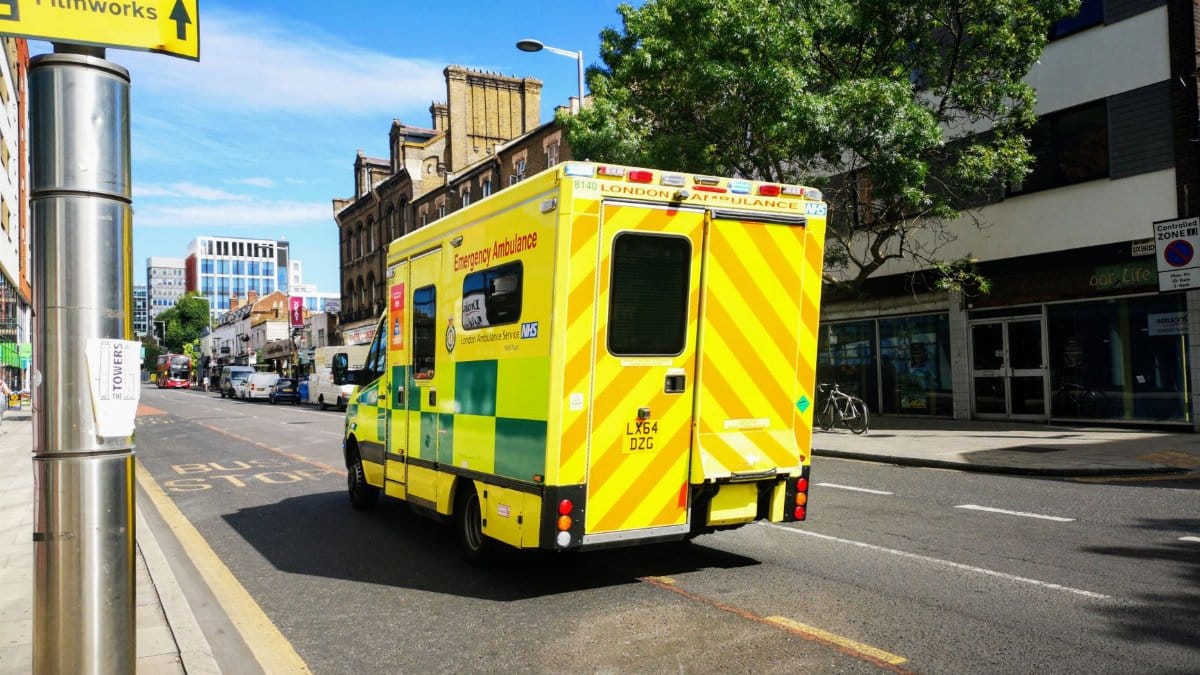
Sustained shortfalls may lead to slower response capabilities over time if no solutions emerge. Residents could see gradual changes in patrol frequency or station staffing. Planning documents now include contingency measures for these scenarios. Elected bodies will need creative approaches to avoid service declines that affect daily life.