
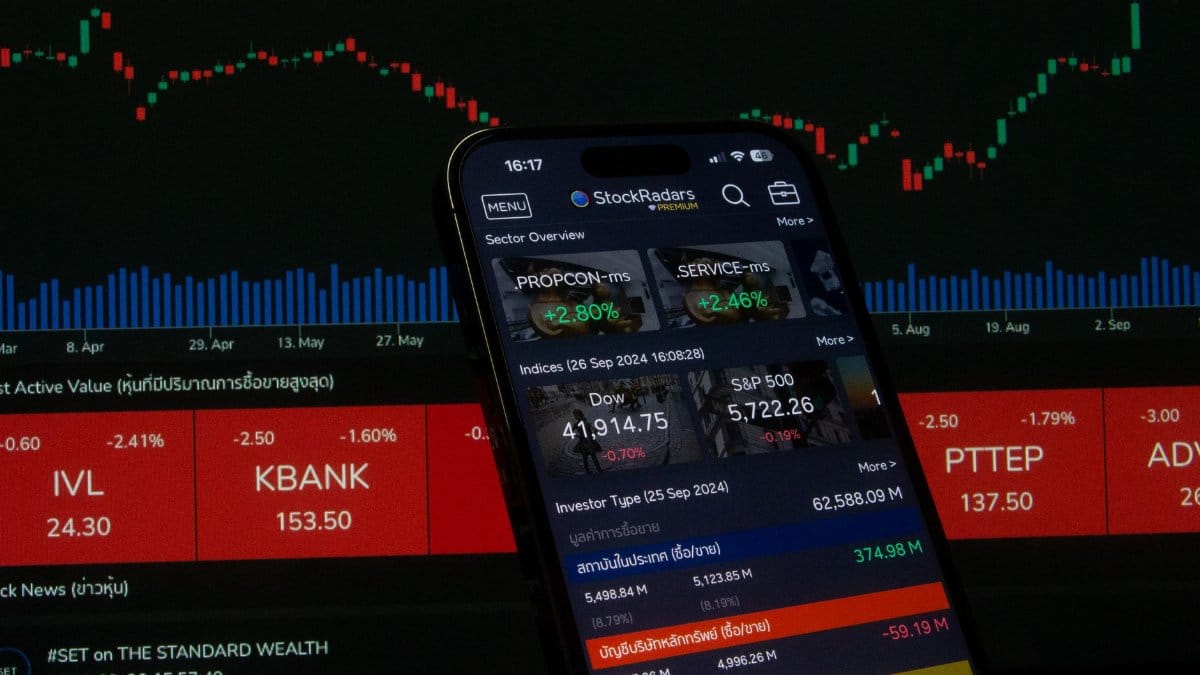
In recent years prediction platforms have drawn attention from regulators across the country as ordinary citizens and officials alike test their forecasting skills on events ranging from elections to economic shifts. New York State took a firm step by prohibiting public employees from participating in ways that invite unfair advantages drawn from privileged knowledge. This Insider Trading Ban arrives amid broader conversations about fairness in emerging digital arenas where information flows quickly and boundaries between personal insight and professional duty can blur.
Origins of the Statewide Measure

The policy stems from concerns raised in legislative sessions about how state workers might access nonpublic details during routine duties and then apply those details on prediction sites. Lawmakers examined cases where subtle overlaps between official roles and personal trading created perceptions of impropriety even without clear proof of harm.
Mechanics of Prediction Applications

These platforms allow users to wager on outcomes using virtual currency or real stakes with results determined by collective forecasts rather than traditional betting odds. Participants buy shares in possible results and prices fluctuate based on perceived likelihoods creating markets that some view as informative yet others see as ripe for exploitation when inside details enter the mix.
Ethical Questions for Government Staff

Public servants hold positions that demand impartiality and the new restrictions highlight tensions between personal financial curiosity and the need to maintain trust in institutions. Observers note that even casual involvement on such sites could erode confidence among constituents who expect decisions free from hidden incentives.
Comparison With Federal Standards
Existing national rules already limit certain trading activities for officials yet state level actions add layers specific to digital forecasting tools. New Yorks approach fills gaps where federal guidelines have not kept pace with app based markets that operate across borders and time zones.
Reactions From Employee Groups

Unions representing state workers expressed mixed views with some welcoming clear guidelines that reduce ambiguity while others worried about overly broad language that might restrict harmless recreational use during off hours. Discussions continue on how best to balance oversight with reasonable personal freedoms.
Enforcement Procedures and Penalties

Agencies will monitor compliance through periodic disclosures and random audits focused on accounts linked to state email domains or known devices. Violations could lead to disciplinary actions ranging from warnings to dismissal depending on the scale and intent behind any breach.
Broader Effects on Market Participation
The restrictions may prompt similar reviews in neighboring states as officials weigh whether uniform policies would prevent forum shopping by those seeking looser environments. Prediction apps themselves have begun adjusting terms to flag jurisdictions with heightened rules.
Public Views on Fairness and Access

Surveys indicate many residents support limits on officials while questioning whether the same standards should apply to private citizens who lack any official access to sensitive data. The debate touches on deeper ideas of equity in an age when information advantages can appear anywhere.
Future Developments in Oversight

Analysts expect refinements as technology evolves and new apps emerge with features that blur lines between social commentary and financial speculation. Ongoing reviews will likely incorporate feedback from both regulators and platform operators seeking workable paths forward.