
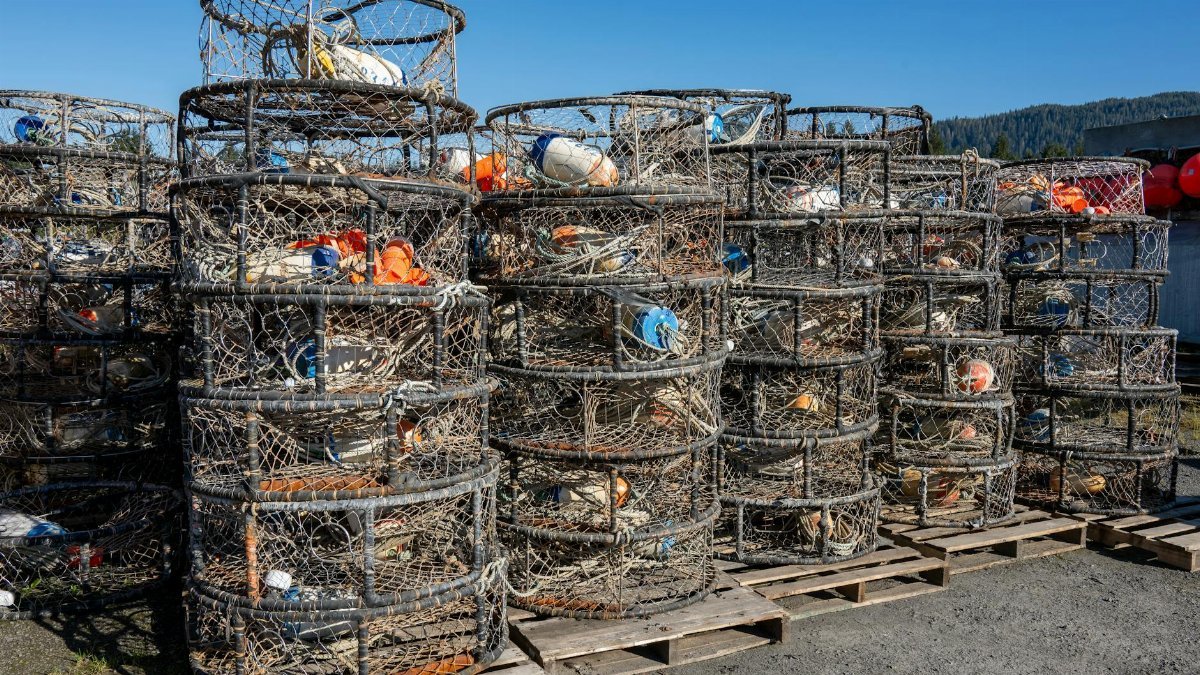
In a decisive step to preserve the 2026 Pacific cod harvest, the National Marine Fisheries Service (NMFS) has enacted a sudden prohibition on directed fishing for the species by vessels using pot gear in the Central Regulatory Area of the Gulf of Alaska. This alaska pacific cod closure, effective March 2, 2026, stops the commercial fleet from exceeding the “A” season allowance of the total allowable catch. While directed efforts are now off-limits, vessels can still retain limited bycatch during routine operations. The regulatory bulletin, issued to protect a sustainable fishery that underpins thousands of jobs across Alaska, forces operators to rethink their early-season approaches amid tight quotas.
What Triggered the Alaska Pacific Cod Closure?
The Gulf of Alaska’s Pacific cod fishery operates under strict annual quotas designed to ensure long-term viability. The “A” season represents the initial harvest window, and once vessels approach that limit through pot gear—a common method involving traps deployed on the seafloor—the rules kick in to prevent overages. NMFS monitors catches in real time, and with the threshold nearing, this prohibition became necessary. It’s a standard safeguard in federal management, reflecting the agency’s mandate to balance industry needs with resource health. For fishermen who rely on pot gear for its efficiency in deeper waters, the timing hits hard, disrupting plans just as the season ramps up.
Breaking Down the Prohibition
Directed fishing means intentionally targeting Pacific cod as the primary catch. Under the new rule, pot gear vessels in the Central Regulatory Area—a key zone stretching from Cape Suckling to Cape Spencer—cannot pursue that goal. The bulletin specifies that this applies solely to pot operations, leaving other gear types potentially unaffected for now. Effective immediately on March 2, 2026, the measure is precise: no chasing cod with pots, but incidental catches remain permissible within set limits. This nuance allows some flexibility, yet it fundamentally alters how fleets deploy their efforts in one of Alaska’s most productive fishing grounds.
Bycatch Rules: What Stays Open

Even with directed fishing halted, the fishery doesn’t grind to a complete stop. Maximum retainable bycatch amounts continue to apply during standard trips, meaning vessels can keep limited Pacific cod encountered while pursuing other species like pollock or rockfish. These bycatch caps are calculated as percentages of the primary catch, ensuring operators don’t game the system. It’s a pragmatic allowance that keeps boats working without undermining the closure’s intent. For crews out on multi-species runs, this provision offers a lifeline, though it demands meticulous logging and compliance to avoid penalties.
Immediate Challenges for Commercial Operators
Alaska’s commercial cod fleet now faces a scramble. Pot gear has long been a staple for Pacific cod, prized for its ability to harvest live fish with minimal damage. With that avenue shut, skippers must recalibrate voyages, perhaps shifting to trawl or hook-and-line methods if permissible, or targeting alternative quotas. Fuel costs, crew schedules, and market timing all complicate the pivot. Early-season optimism often hinges on cod runs, and this curtailment tests the resilience of an industry accustomed to regulatory twists. Yet, operators’ adaptability is legendary, honed by decades of variable ocean conditions.
Pivoting Early-Season Strategies
Quick adaptation defines success in Alaska’s fisheries. With the alaska pacific cod closure in place, vessels might extend trips for other groundfish or redirect to open areas outside the Central Regulatory zone. Crews will lean on real-time data from NMFS apps and cooperative exchanges to spot opportunities. Some may dock temporarily, servicing gear or awaiting quota updates. This enforced pause could even benefit fish stocks by reducing pressure during peak vulnerability. For smaller operators, it’s a cash-flow squeeze, but larger fleets with diversified portfolios are better positioned to weather it. The key lies in proactive planning amid uncertainty.
The Economic Stakes in Alaska
Pacific cod isn’t just fish—it’s the lifeblood of coastal communities. This sustainable fishery supports thousands of jobs, from deckhands in Kodiak to processors in Dutch Harbor. Landings fuel billions in revenue, sustaining families through harsh winters. A closure like this ripples outward, potentially softening prices or idling vessels, but it also preserves the resource for future seasons. NOAA data underscores how managed quotas have kept Gulf stocks stable, preventing the collapses seen elsewhere. By enforcing the “A” season limit, NMFS protects not only cod but the economic engine that powers Alaska’s maritime heritage.
Safeguarding Sustainability

At its core, the closure embodies proactive stewardship. Pacific cod in the Gulf of Alaska thrive under total allowable catch (TAC) systems, annually assessed to match biomass levels. The “A” season allowance acts as an early brake, avoiding the need for mid-year slashes that could devastate markets. Studies from NOAA Fisheries highlight how such measures have maintained healthy spawning populations, with recruitment rates holding steady despite climate pressures. This alaska pacific cod closure reinforces that track record, prioritizing endurance over short-term gains. It’s a reminder that sustainability isn’t optional in fisheries where one bad year can echo for decades.
Looking Ahead for the Fleet

As March 2, 2026, approaches, the industry watches for adjustments. NMFS could reopen if catches lag or announce “B” season details later. Operators are already sharing tactics via forums and unions, building collective strategies. This event spotlights the intricate dance between regulation and reality in Alaska’s waters. While challenging, it upholds a fishery that’s been a model of balance, ensuring Pacific cod remains a cornerstone for generations. The bulletin, as reported by federal regulators, signals commitment to that legacy amid evolving seas.