
On a weekday morning in Sacramento, the pile of public safety measures that reaches a governor can look like routine paper until one subject refuses to stay abstract. Impaired driving is that subject. Families know the phone call. Prosecutors know the file that returns with the same name. When Gov. Gavin Newsom signed a package raising consequences for people who drive drunk or drug impaired, the California DUI penalty bills left the hearing room and entered the daily work of courts, sheriffs, and licensing officials. Four new laws take aim at repeat impaired drivers at a moment when traffic deaths remain stubbornly high. The question now is not whether the state has spoken. It is whether tougher penalties will change the small set of drivers who keep getting behind the wheel after a conviction.
What the signing actually signals
A signature is a political act and a legal one. In this case it tells repeat offenders that California intends to treat a second or later impaired driving case as more than a traffic mistake. It also tells victims and survivors that lawmakers heard a complaint that has circulated for years: the system sometimes looks lenient to people who have already been warned. The California DUI penalty bills do not invent the offense. They tighten the consequences around an offense the state has long defined. That distinction matters. Drivers who have never been arrested are not the stated target. The stated target is the person who has already been through court and chooses to drive impaired again.
Supporters describe the package as a correction, not a revolution. California already suspends licenses, imposes fines, requires education programs, and in serious cases sends people to jail. What frustrated advocates was the gap between a paper penalty and a driver who reappears in a crash report. Raising the floor for repeat cases is meant to close that gap, or at least to make the gap harder to ignore.
Why repeat drivers draw the focus
Most adults who drink do not drive. Most people who are arrested once for driving under the influence do not build a record of repeat cases. The policy problem sits in a smaller group. These are drivers who treat a conviction as a cost of living rather than a stop sign. They may lose a license and drive anyway. They may complete a class and drink the next weekend. They may mix alcohol with cannabis or prescription drugs and tell themselves the combination is still manageable.
That pattern is what the new laws are built to answer. A first arrest can be a shock. A second arrest is evidence that shock was not enough. Lawmakers who backed the package argued that the state should stop pretending those two moments are the same. Judges will still have facts in front of them. A rural commuter and a city driver with a long record are not identical. But the statute now pushes the repeat case toward heavier consequences, on the theory that discretion without a higher baseline has not protected the public.
The human stakes behind the statute

Traffic law can sound technical until it is attached to a name. A mother who loses a son on a freeway off ramp does not experience a bill as a sentencing grid. She experiences it as a late answer. Survivor groups in California have spent years in committee rooms asking why a driver with prior convictions can still be on the road. Their argument is moral before it is statistical. A car is a weapon when the person controlling it cannot judge speed, distance, or a red light.
I have sat through enough public safety hearings to know that grief can sharpen a bill and also narrow it. The best testimony names the harm without pretending that punishment alone repairs a life. The California DUI penalty bills respond to that testimony. They do not restore anyone. They try to reduce the chance that another family receives the same news. That is a legitimate goal for criminal law. It is not a complete theory of safety.
What tougher penalties can and cannot do

Deterrence is the hope written into every sentencing increase. If the cost of a repeat offense rises, some people will not take the risk. That logic holds for drivers who plan, who still have something to lose, and who believe they will be caught. It is weaker for drivers who are already intoxicated, already unlicensed, and already convinced that tonight will be different. Impairment is not a rational calculator. By the time someone is deciding whether to drive, judgment is part of what the alcohol or the drug has taken.
Penalties still matter after the fact. They incapacitate. A person in jail is not on the freeway. A longer license loss, if it is actually enforced, removes a legal permission that some drivers still respect. Ignition interlock devices, education, and treatment can sit alongside custody. The new laws lean on the punitive side because that is what the Legislature chose to strengthen. Whether counties pair that choice with treatment beds and probation that actually supervises people is a separate budget question. A statute cannot fund a counselor.
Courts, jails, and the practical load

California courts are not empty. Public defenders, prosecutors, and judges already manage heavy misdemeanor and felony calendars. Repeat impaired driving cases take time because prior convictions must be proved, blood or breath evidence must be explained, and victims may want to speak. Raising penalties can lengthen negotiations and increase the number of cases that go to trial if defendants decide the stakes are too high to plead.
Jails feel the same pressure. A longer sentence is not an abstraction for a county that is already short of beds and staff. Sheriffs will have to house people the new laws send them. Some of those people will also need medical care for withdrawal, mental illness, or both. If the state raises consequences without a matching plan for custody and for release, the law will look firm on paper and ragged in practice. That is not an argument against the bills. It is an argument for watching implementation with the same seriousness that accompanied the signing.
Licenses, interlocks, and the road after court
For many drivers, the license is the penalty that bites every morning. Losing the legal right to drive can mean losing a job, a childcare arrangement, or the ability to reach a treatment program. That hardship is real, and it is also the point. The privilege of driving depends on a promise not to endanger everyone else on the pavement. Repeat impaired drivers have broken that promise more than once.
Ignition interlock technology tries to make the promise mechanical. The car will not start if alcohol is on the breath. Devices are imperfect. People can ask a sober friend to blow into the tube. They can drive a different car. They can use drugs the device does not detect. Still, a lock on the ignition is often more immediate than a fine that can be paid later. Any serious reading of the California DUI penalty bills has to include these tools, not only jail days. The driver who is back on the road is the risk the public actually faces.
Alcohol, drugs, and a changing roadside
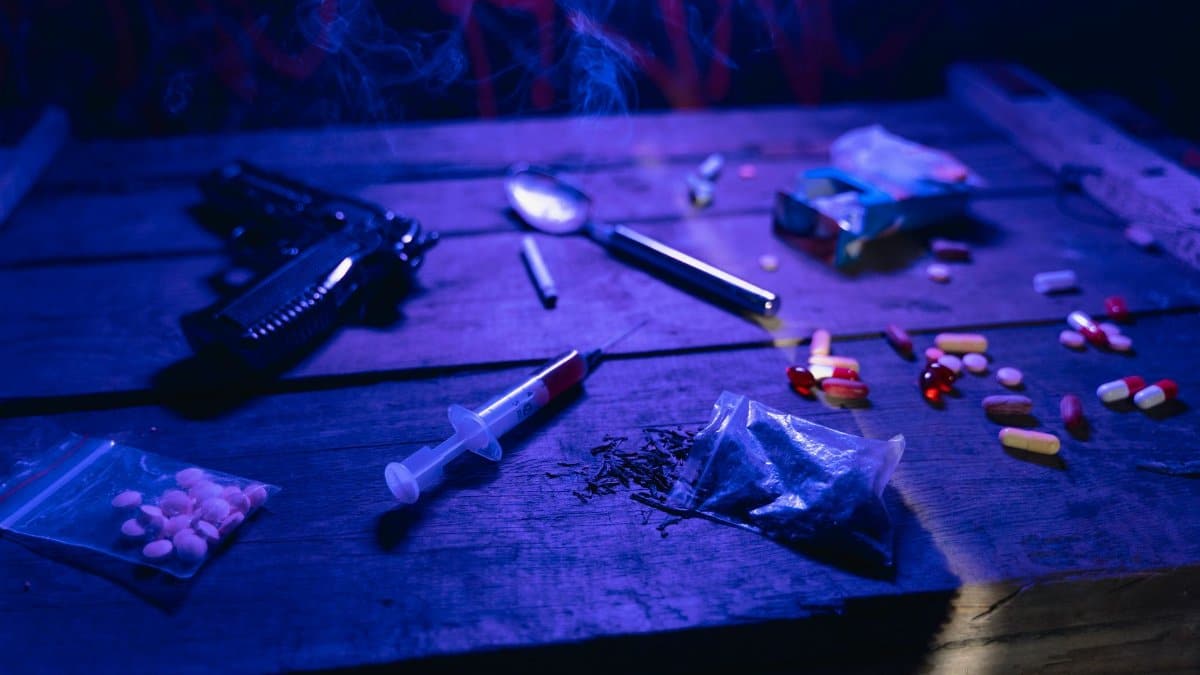
The classic case is alcohol. Breath tests, blood tests, and a familiar legal limit give officers and juries a shared language. The roadside is less simple than that language suggests. Cannabis, prescription sedatives, and mixtures of substances show up in stops and in fatal crashes. Proving impairment from drugs can be slower and more contested than proving alcohol. A bill that raises penalties does not by itself give a deputy a better test at 1 a.m.
Lawmakers who want fewer deaths have to hold two ideas at once. Consequences for proven repeat impairment should be serious. The science and the training that establish impairment should be serious too. If prosecutors cannot prove a drug case cleanly, higher penalties will not be used. If they can prove it, the new laws will matter. Public safety depends on both the rule and the evidence.
The argument from the defense side
Defense lawyers will say, correctly, that not every repeat file is a monster case. Some clients are poor, addicted, and cycling through the same county without treatment that fits their life. Some prior convictions are old. Some stops raise questions about how the investigation was done. A sentencing increase that ignores those facts can warehouse illness and call it accountability.
That critique deserves a hearing, and it does not erase the victim in the other chair. Addiction explains a pattern. It does not grant a right to drive a two ton machine while impaired. The harder policy is to punish the driving, treat the dependence, and refuse the false choice between compassion and a yellow line. Counties that only add jail days will disappoint both survivors and people who might have stopped if someone had reached them before the second arrest. Counties that only offer classes without consequence will disappoint anyone who has buried a relative.
Traffic deaths and the wider safety picture
Impaired driving is one chapter in a grim book. Speed, distraction, dark roads, and vehicles that are larger than the cars they hit all contribute to deaths. A state can raise DUI penalties and still lose people to a driver staring at a phone or to a street designed for speed rather than for survival. The four new laws do not claim to solve that whole book. They claim a narrower victory: fewer second chances for people who have already shown they will drive impaired.
That narrower claim is still worth making. Alcohol and drugs remain among the most preventable causes of violent death on American roads, because the decision to drive can be interrupted by a friend, a rideshare, a key left on the table, or a law that finally feels real. Federal safety agencies have spent years telling the public that impaired driving deaths are not accidents in the casual sense. They are the result of a choice layered on a substance. State penalty bills are one way a government answers that fact.
What drivers should understand now
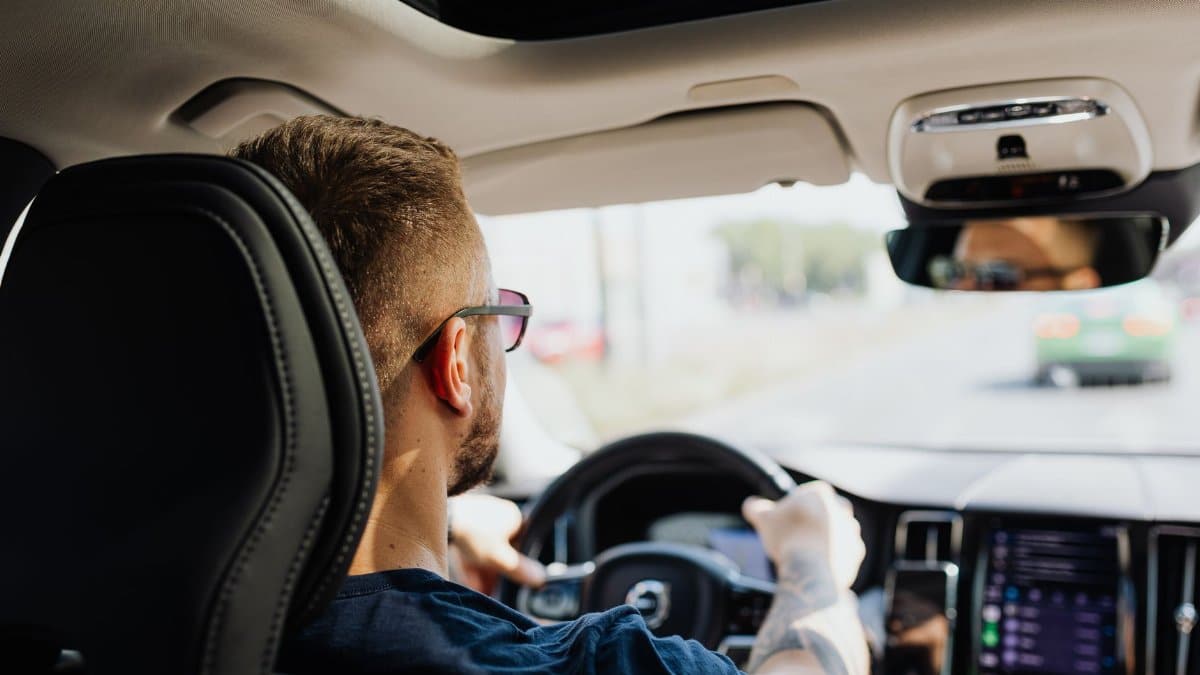
For the person who has never been arrested, the practical message is unchanged and still the only reliable one. If you drink, or if you use a drug that dulls reaction time, do not drive. The new laws are aimed at repeat cases, but a first case can still cost a license, a job, and years of insurance pain, and it can still kill someone. For the person who already has a conviction, the message is sharper. Another arrest is more likely to mean more time, a longer loss of driving privileges, and less room to argue that the court should look away.
People leaving bars, weddings, and late shifts will not read the bill text. They will hear a sentence from a lawyer or a judge, or they will not hear it until too late. That is why enforcement, visible sobriety checkpoints where the law allows them, and ordinary social refusal still do work that statutes cannot do alone. A governor can sign a page. A friend can take the keys.
How to judge the laws a year from now

The fair test is not the press release. It is the next set of numbers and stories. Are repeat impaired driving arrests falling, or only shifting from one county to another? Are crash deaths involving alcohol or drugs moving, even a little, in the places that apply the laws with consistency? Are interlock orders actually installed? Are people released from jail into the same untreated pattern that produced the case?
Those questions require patience and honest data. A single winter of headlines will not settle them. If deaths stay high and repeat cases keep cycling, lawmakers will be asked why a penalty increase did not deliver what its sponsors promised. If deaths ease and the worst repeat drivers are off the road, the signing will look like a warranted use of state power. Either way, the public deserves a clear accounting, not a slogan.
A closing measure of responsibility

Newsom signed the bills. The Legislature passed them. Neither act drives a car at midnight. The moral center of this story remains a choice made by a person who has already been told, by a court, that impaired driving is forbidden. The California DUI penalty bills raise the price of ignoring that order. They align the statute with a simple public expectation: a warning should count, and a repeat should count for more.
Punishment is a blunt instrument. Used against people who repeatedly endanger strangers, it is also a necessary one. The state can hold that line and still invest in treatment, in licensing enforcement, and in roads that forgive human error when the error is not a drunk decision to drive. Safety is not a single signature. It is a signature, a courtroom, a device on a steering column, and a culture that stops treating the drive home as harmless. Four new laws will not finish that work. They do mark, in concrete terms, whose side California says it is on when the same driver appears again.