
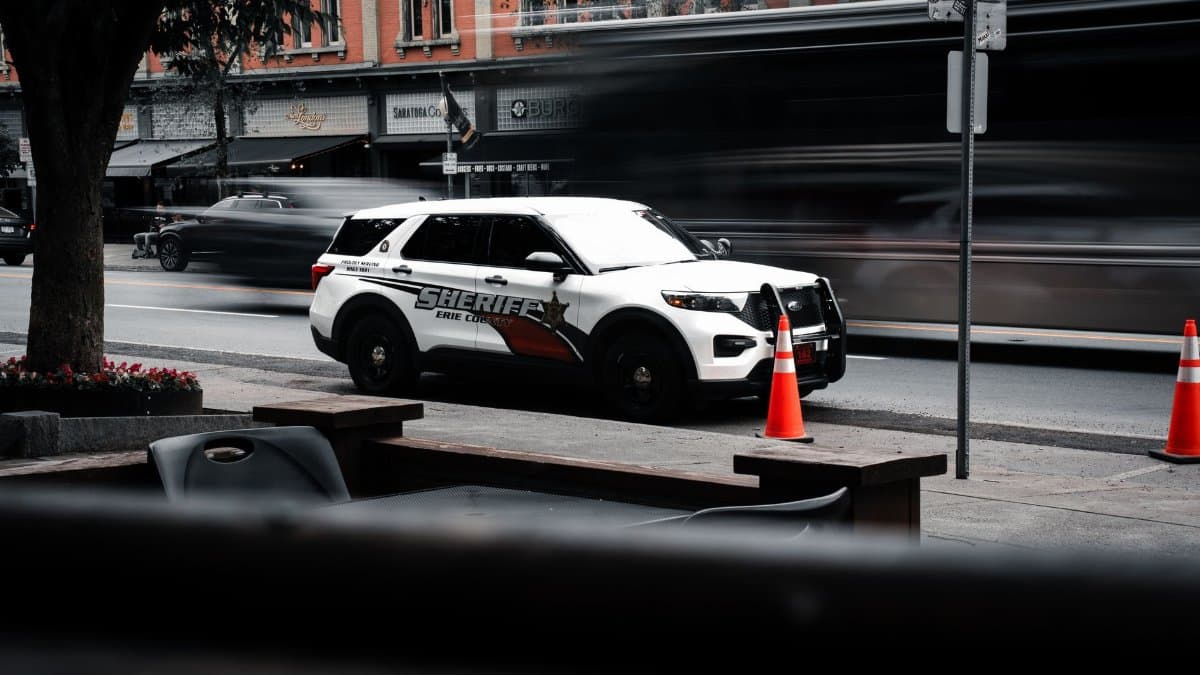
On a weeknight in Riverside, a mother waited for a call that never quite explained how her son died in a county jail. The medical details arrived late, filtered through an office that also ran the lockup. That uneasy overlap is what the Newsom Bianco coroner bill is meant to end, by taking the coroner title away from Sheriff Chad Bianco and forcing Riverside County to build a separate death investigation system before July 2027.
A signature that redraws one powerful job
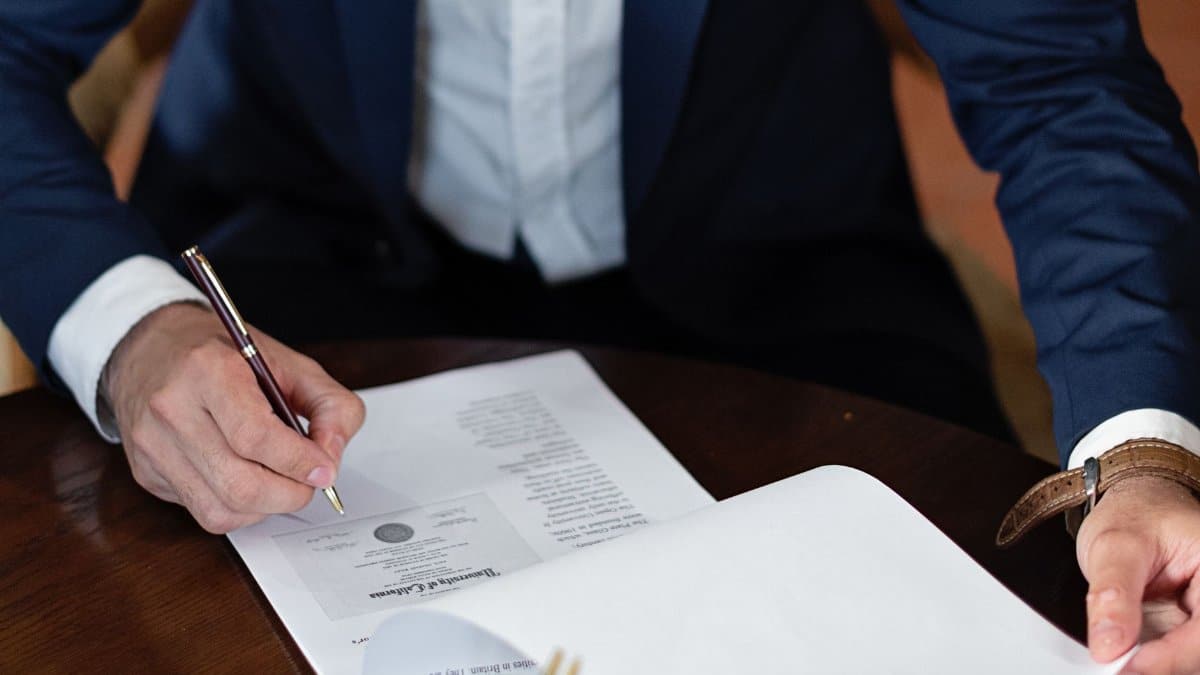
Governor Gavin Newsom signed Senate Bill 1379, a measure that strips the Riverside County sheriff of the coroner role and sets a deadline of July 2027 for the county to stand up an independent office. The change is narrow on paper and large in practice. Riverside is one of the California counties where the same elected law enforcement official signs both the jail keys and the official account of how people die, including people who die while deputies have them in custody.
Supporters describe the law as a structural fix, not a personal verdict. Critics, led by Bianco, call it a political strike dressed up as reform. Both readings can be true at once in Sacramento, where a local administrative chart can become a statewide argument about power, trust, and who gets the last word on a death.
What the statute actually requires

The bill does not rewrite every sheriff coroner arrangement in California. It targets Riverside County and orders a split between the sheriff and the coroner. By the summer of 2027, death investigation is supposed to sit outside the sheriff’s chain of command, with its own leadership, budget line, and professional standards.
That sounds simple until you list the work. Autopsies, scene response, toxicology, records, family notification, and testimony in civil and criminal courts all have to move. Staff who now answer to a sheriff will answer to someone else, or they will leave. Contracts with forensic pathologists, already scarce across the country, will have to be rewritten. The county board will have to decide whether the new coroner is appointed, and by whom, and how the office reports to the public when a finding embarrasses the jail or a patrol division.
Why this county, and why this sheriff
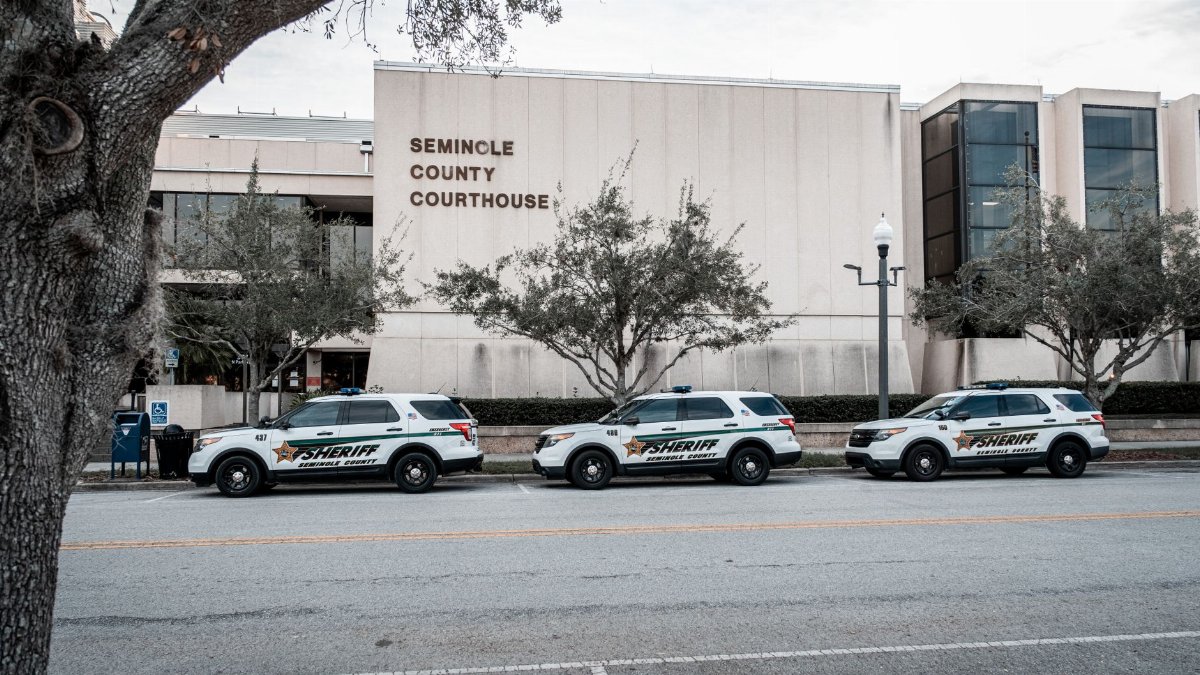
Riverside did not draw this attention by accident. Bianco is a conservative sheriff with a loud public profile, a frequent critic of Newsom, and a figure who has talked about higher office. Deaths in the county jail system have drawn lawsuits, news investigations, and anger from families who believe the same agency that held their relatives also controlled the story of what happened to them.
Conflict of interest is the phrase lawyers use. Families use plainer language. They ask how a department can investigate itself with a straight face when the person in the body bag was in that department’s care. The Newsom Bianco coroner bill is the Legislature’s answer to that question in one county, even if it leaves similar arrangements standing elsewhere.
The old model and the trust problem

California has long allowed counties to combine the sheriff and the coroner. The arrangement grew out of rural necessity, when a small county could not staff two offices and a sheriff was the official most likely to reach a remote death scene. In a county of more than two million people, with a large jail system and a busy court calendar, that historical convenience looks different.
An independent coroner does not guarantee honesty. A separate office can still be timid, underfunded, or politically captured. What independence does provide is a cleaner line of accountability. When the person who certifies a cause of death does not report to the person who runs the jail, families and judges have a better chance of seeing findings that were not shaped by institutional self protection. That is the case reformers have made for years in counties from the Central Valley to the coast.
Bianco’s case against the split
Bianco has treated the bill as retaliation. He argues that his office already uses medical professionals, that politics in the Capitol drove the vote, and that removing an elected sheriff from the coroner role takes power from voters and hands it to bureaucrats. He has also warned that a rushed separation will cost money the county does not have and will slow death investigations that families already find too slow.
Those arguments are not empty. Forensic pathology is a strained profession. Counties that separate the offices sometimes struggle to hire. A new coroner without enough pathologists can produce longer waits, not clearer truth. Any honest account of the Newsom Bianco coroner bill has to hold that risk next to the conflict it is trying to remove. Reform that looks clean in a Senate hearing can look ragged in a morgue at 2 a.m.
What Newsom chose to endorse
Newsom’s signature places him on the side of separation in a county whose sheriff has been one of his sharper antagonists. The governor has framed public safety debates around accountability as often as around enforcement, and this bill fits that pattern. It also fits a narrower political fact. A high profile Republican sheriff loses a formal power, and a Democratic governor gets to say he sided with families who distrusted that power.
Readers can decide how much of the signature is principle and how much is score settling. The text of the law does not require them to choose. It requires Riverside County to reorganize. Motive matters in politics. Structure matters in the next autopsy.
Families, lawsuits, and the record that remains
For relatives of people who died in custody, the bill arrives too late to change a completed death certificate and early enough to change the next one. Civil cases already in court will still turn on old reports, old scene notes, and old questions about whether investigators had a reason to look away. A new office cannot reopen every file. It can change who walks into the next cell after a death and whose name sits at the bottom of the report.
Advocates have asked for more than a new letterhead. They want public reporting on jail deaths, faster release of findings, and a coroner willing to call a death a homicide when the evidence supports it, even if that finding feeds a lawsuit against the county. Independence is the tool. Courage in the use of that tool is a separate hiring decision, and no statute can guarantee it.
How other counties already do this work
Several large California counties already keep the coroner or medical examiner apart from the sheriff. Los Angeles, San Francisco, and San Diego have long treated death investigation as its own professional function, closer to a medical office than to a badge. Smaller counties often still combine the roles because the tax base is thin and the death caseload is modest.
Riverside sits in between those models in spirit if not in size. It is big enough that a combined office looks like a choice, not a necessity, and politically hot enough that the choice became a bill. Counties watching from outside the statute will see a template. If the transition in Riverside produces faster, cleaner investigations, pressure will grow to copy it. If it produces vacancies and backlog, sheriffs elsewhere will cite it as proof that separation is a slogan.
The clock running toward July 2027
The deadline is the part of the law that will decide whether this is reform or theater. July 2027 is close in government time. Budgets are annual. Hiring a chief medical examiner can take longer than a campaign. The board of supervisors will have to pick a governance model, fund it, and explain to residents why a function they rarely think about now costs more as a standalone office.
Between now and that date, Bianco remains sheriff and, until the split is real, tied to the coroner function the law is unwinding. That interim period is where trust can fray further. Every death in custody between signature and separation will be read through the fight over the bill. Families will ask whether findings issued under the old structure deserve the same weight as findings that come later. Defense lawyers and plaintiff lawyers will ask the same question in different words.
Money, staffing, and the unglamorous middle

Separation costs money before it produces independence. A new office needs space, vehicles, laboratory access, records systems, and people who can testify without looking like an arm of the sheriff. Riverside’s budget fights are already crowded with public safety, housing, and health care. A coroner office is easy to underfund because most voters will never need it, and impossible to underfund without consequence once a controversial death hits the news.
Pathologist pay is the sharp edge. National shortages mean counties bid against one another and against private groups. If Riverside cannot compete, the Newsom Bianco coroner bill could create an independent office that still sends bodies out of county for autopsy. That outcome would satisfy the org chart and disappoint anyone who wanted faster local answers. Supervisors who treat the deadline as a press release rather than a hiring plan will own that disappointment.
Politics that will not cool on schedule
Bianco is unlikely to treat the signature as the end of the argument. He has a following that sees state government as hostile to local law enforcement, and this bill confirms that story for them. Democrats who backed the measure will point to jail deaths and say the state had a duty to act when a county would not. The 2026 and 2027 political calendars sit on top of the administrative calendar, which means the transition will unfold while campaigns are still using the coroner fight as a talking point.
That overlap is bad for quiet institution building and useful for voters who want to see who does the work. A sheriff can denounce a law and still be required to hand over files. A board can complain about cost and still be required to appropriate it. The Newsom Bianco coroner bill will be judged less by the speeches around it than by whether, in July 2027, a death investigator in Riverside can say no to a sheriff without risking a job.
What independence can and cannot promise
An independent coroner can reduce the appearance and sometimes the reality of a cover up. It cannot raise the dead, settle a lawsuit, or tell a family a story that hurts less. Cause and manner of death are medical and legal judgments, and they remain contested even in the best offices. What changes is the incentive. An office that does not wear the same uniform as the jail has less reason to protect that uniform.
California has learned, in police oversight and in jail monitoring, that structure is the beginning of accountability and not the end. The same lesson applies here. If the new Riverside coroner is timid, opaque, or starved of staff, families will have traded one disappointment for another. If the office publishes clear findings and survives political heat, the state will have a working example rather than another unused statute.
A narrower kind of public faith

Most people will never read Senate Bill 1379. They will meet the coroner system only once, on the worst day of their lives, when someone official tells them how a person died. On that day the letterhead matters less than whether the explanation can be trusted. The fight over Bianco, Newsom, and Riverside is noisy because the underlying need is quiet and absolute. A democracy asks citizens to accept hard findings from public officials. It cannot ask that lightly when the official and the suspect institution are the same person.
The Newsom Bianco coroner bill bets that a separate office, built on a short clock, can restore a measure of that faith in one county. The bet is reasonable. It is not guaranteed. Between the signature and the deadline, Riverside has to hire, fund, and protect a function that powerful people will sometimes wish were weaker. If it does that work, the bill will have been more than a chapter in a feud. If it does not, the families waiting on the phone will notice first.