

Newport Silent Tours are causing a major shift in Rhode Island tourism this year. Visitors to the iconic Newport Mansions can now experience history in a uniquely immersive way, thanks to innovative bone-conduction headsets that narrate the past while preserving an eerie, ambient silence. Launched as a fresh approach to touring the Gilded Age estates, this technology is not just a gimmick—it’s drawing crowds and boosting ticket sales. As of April 28, 2025, the Preservation Society of Newport County is seeing renewed interest in these historic sites.
A Quiet Revolution in Newport Tourism
In Newport, Rhode Island, the Preservation Society has rolled out a new way to experience the opulent mansions that define the city’s Gilded Age legacy. Guests don bone-conduction headsets, a technology that transmits sound through the bones of the skull, allowing them to hear detailed narrations of history without disrupting the serene atmosphere of the estates. This approach creates a striking contrast to traditional guided tours, where voices often echo through cavernous halls. The result is a hushed reverence that amplifies the awe of standing in spaces once inhabited by America’s elite.
Technology Meets Tranquility

The bone-conduction headsets used in Newport Silent Tours are more than just a novelty. They deliver audio directly to the inner ear, bypassing the eardrum, which means the surrounding environment remains undisturbed. Visitors report feeling as though the stories of the Vanderbilts and Astors are whispered directly into their minds, while the silence of the mansions heightens the sense of stepping back in time. This blend of cutting-edge tech and historical reverence offers a fresh perspective on spaces that have been toured for decades.
Ticket Sales Surge by 14 Percent

The introduction of silent tours has proven to be a financial win for the Preservation Society of Newport County. As of late April 2025, ticket sales for these tours have risen by 14 percent compared to previous periods. This uptick suggests that the public is eager for innovative ways to engage with history. The increase also reflects a broader trend in U.S. tourism, where experiential and immersive offerings are gaining traction, as noted by industry reports from sources like the U.S. Travel Association.
Protecting Fragile Interiors with Lower Decibels
Beyond enhancing visitor experience, Newport Silent Tours address a critical concern: preservation. The Preservation Society is actively testing the impact of reduced noise levels on the fragile interiors of the mansions. Many of these homes, built over a century ago, feature delicate plasterwork, intricate wood carvings, and original fabrics that can be damaged by vibrations from loud voices or audio equipment. By minimizing ambient sound, the society hopes to safeguard these irreplaceable elements for future generations.
A Model for Historic Sites Nationwide

The success of silent tours in Newport could set a precedent for other historic sites across the United States. With tourism boards and preservation groups constantly seeking ways to balance public access with conservation, this low-decibel approach offers a potential blueprint. Organizations like the National Park Service, which oversees numerous historic properties, may take note of Newport’s experiment as they grapple with similar challenges in 2025 and beyond.
Visitor Reactions to the Silent Experience

Feedback from guests highlights the emotional impact of the silent tour format. Many describe the experience as hauntingly intimate, as the absence of external noise allows for deeper reflection on the history being shared. Walking through grand ballrooms or servants’ quarters without the distraction of chatter or amplified guides seems to forge a stronger connection to the past. This aligns with a growing demand for mindful, contemplative travel experiences that prioritize depth over spectacle.
Challenges and Future Adjustments

While the silent tours have been largely well-received, the Preservation Society acknowledges that the technology is still in a testing phase. Ensuring the headsets function consistently for all visitors, regardless of hearing ability or comfort with wearable tech, remains a priority. Additionally, the society is monitoring whether the reduced noise levels truly make a measurable difference in preserving the mansions’ interiors. Adjustments may be needed as more data becomes available in the coming months of 2025.
A Growing Trend in Immersive History
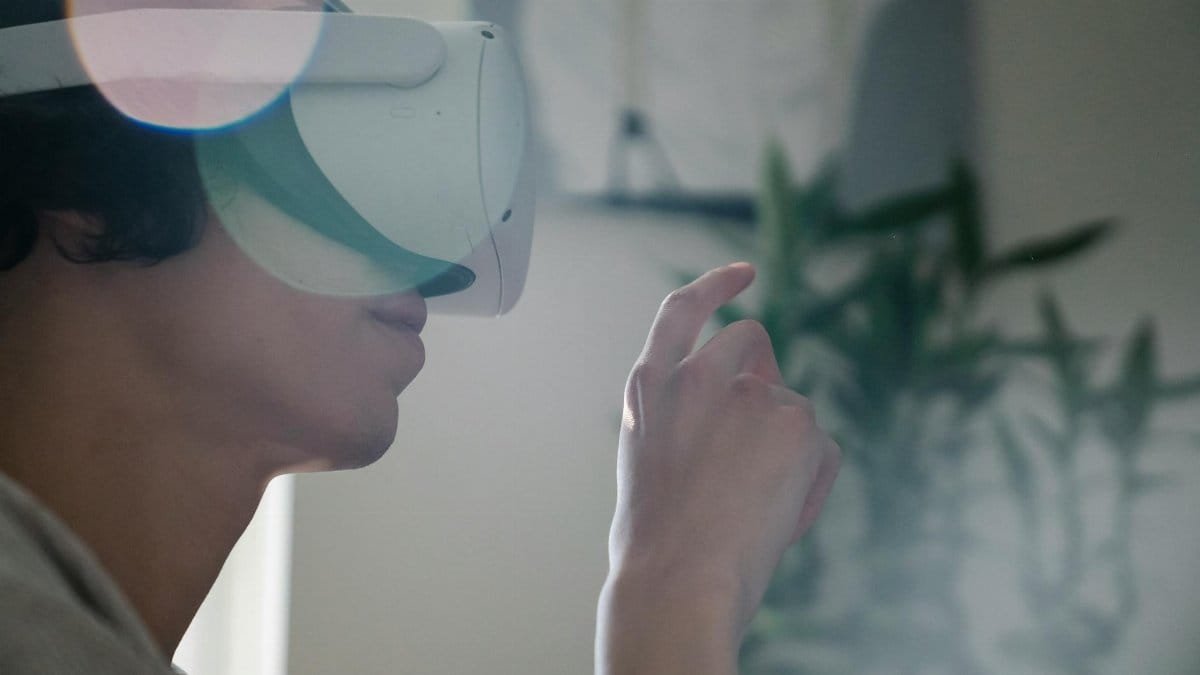
Newport Silent Tours tap into a broader movement within the tourism sector, where immersive and sensory-driven experiences are reshaping how people engage with history. From virtual reality exhibits to augmented audio tours, historic sites are increasingly leveraging technology to captivate modern audiences. Newport’s experiment with silence as a tool for awe and preservation could inspire similar innovations, reinforcing the idea that sometimes, less noise can mean more impact.