

New York is stepping up its support for working families with a significant update to its Paid Family Leave program, set to take effect in January 2026. The revamped New York Paid Family Leave policy boosts target benefit levels, offering eligible employees up to 12 weeks of job-protected paid time off at 67% of their average weekly wage—capped at a maximum of $1,177.32 per week, tied to the state’s average weekly wage. This change aims to deliver greater financial security during life’s most demanding moments, whether bonding with a newborn, caring for a sick relative, or handling a family member’s military deployment. It’s a timely enhancement to worker protections in a state where balancing family and career has never been more challenging.
What the 2026 Update Entails

The core of this update lies in elevating the financial lifeline for New Yorkers facing family emergencies. By raising benefit targets, the program addresses gaps in support that have left many workers choosing between family needs and paycheck stability. According to details from the official state site, the new structure ensures payments reflect 67% of an individual’s average weekly wage, providing a more tailored safety net. This isn’t just an incremental tweak; it’s a deliberate push toward sustainability for families under pressure.
Breaking Down the Benefit Calculations

At its heart, the updated benefits hinge on a straightforward formula: 67% of the employee’s average weekly wage, with a firm cap at $1,177.32. This maximum is pegged directly to New York’s average weekly wage, ensuring the program scales with economic realities. For lower- and middle-income workers, this could mean a substantial portion of their usual earnings preserved during leave—crucial for covering essentials like rent, groceries, or childcare. The precision here underscores a commitment to fairness, preventing benefits from outpacing what the broader workforce can sustain.
Job-Protected Time Off: Up to 12 Weeks
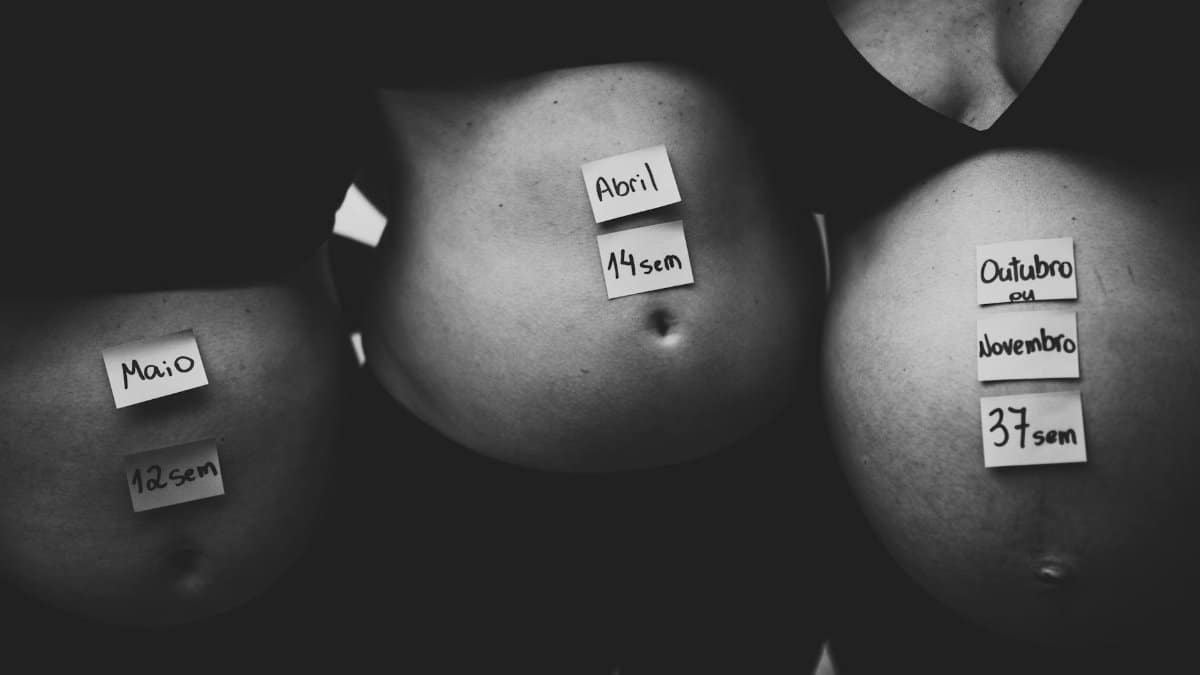
One of the program’s strongest pillars remains its guarantee of job protection. Employees can take up to 12 weeks away without fear of retaliation or termination, a duration that aligns with the diverse needs of modern families. Whether it’s the early weeks with a new baby or extended care for an ill loved one, this timeframe offers breathing room. It’s this uninterrupted support that transforms the New York Paid Family Leave from a policy on paper into a practical tool for real-life resilience.
Covered Scenarios: From Newborns to Military Duty

The leave applies to a range of heartfelt circumstances, including welcoming a newborn, tending to a seriously ill family member, or addressing qualifying military events like a deployment. These scenarios capture the unpredictable nature of family life, where sudden needs can upend routines. By explicitly covering them, New York acknowledges that support must be versatile—extending beyond parenthood to the broader tapestry of caregiving responsibilities that define so many households today.
Enhancing Financial Security for Workers

Financial security sits at the forefront of this overhaul. The increased benefits mean families won’t have to drain savings or incur debt during vulnerable periods. This update builds on the program’s foundation, aiming to prevent the kind of economic hardship that ripples through communities. As one NY State official put it, “This helps families during critical times,” a sentiment that resonates with the policy’s intent to foster stability amid chaos.
Boosting Family Support and Protections

Among the update’s most praised elements is how it strengthens overall family support. By providing paid, protected leave, it empowers workers to prioritize health and relationships without professional fallout. This aligns with broader efforts to modernize labor laws, reflecting New York’s progressive stance on worker rights. The result? Families better equipped to navigate challenges, with safeguards that extend well beyond the immediate leave period.
Impact on Work-Life Balance and Communities
On a community level, the enhancements promise to aid work-life balance in meaningful ways. When parents or caregivers can afford time away without financial ruin, it reduces stress and promotes healthier outcomes for everyone involved. Real-world evidence from national studies, such as those by the Census Bureau, shows that access to paid family leave correlates with lower maternal depression rates and stronger infant health—outcomes that dovetail seamlessly with New York’s goals here. Neighborhoods stand to benefit as families emerge more resilient, contributing to a more cohesive social fabric.
Timeline and Rollout: January 2026 Launch

Implementation kicks off in January 2026, giving ample time for adjustments. This forward-looking timeline allows employers and employees to prepare, minimizing disruptions. The state is prioritizing smooth adoption, ensuring the New York Paid Family Leave benefits reach those who need them most from day one.
Educating Employers Through Outreach

To make this a success, outreach programs are targeting employers with education on compliance and administration. These initiatives demystify the process, from payroll deductions to claims handling, encouraging buy-in across businesses large and small. By fostering understanding, New York is laying the groundwork for widespread utilization, turning policy into everyday practice that truly uplifts workers and their families.