
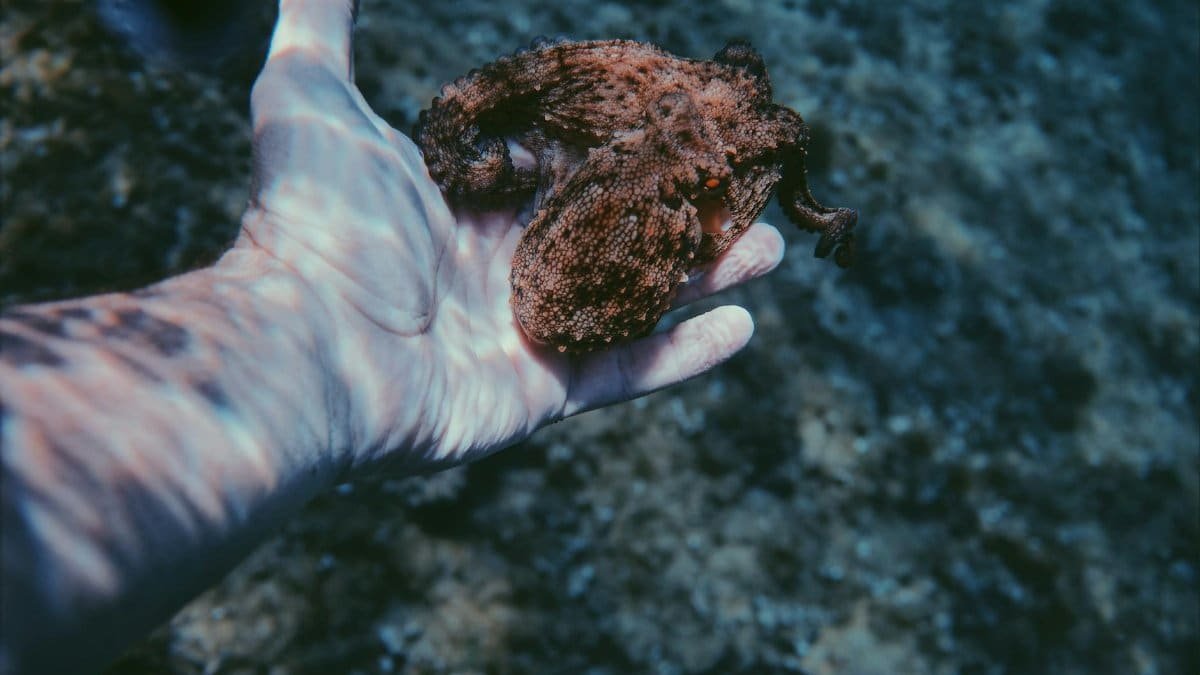
Deep beneath the waves a solitary creature stirs with purpose. For ages people have marveled at octopuses for their shape shifting colors and clever escapes from captivity. Their abilities seem almost supernatural at times. A recent interactive report offers unprecedented access to their private world. This exploration of octopus mating habits reveals behaviors that are both intricate and surprisingly deliberate.
The study draws from extensive underwater observations and laboratory experiments. It presents its findings in an engaging format that allows readers to navigate through video clips animations and expert commentary. What becomes clear is that reproduction for these animals is far from random. Instead it involves careful timing sophisticated signaling and a level of awareness that continues to surprise the scientific community.
The New Research Unveils Hidden Behaviors

The Washington Post interactive report compiled by teams of marine biologists provides a comprehensive look at how octopuses approach reproduction. Researchers followed multiple species across different ocean regions for several years. Their work shows that males must navigate a delicate balance between attraction and self preservation. Females often respond aggressively to unwanted advances which forces males to develop elaborate approaches.
According to the report available here certain octopuses use specialized skin patterns to communicate during these encounters. These visual signals can indicate readiness or warn of potential danger. The interactive elements let readers examine the footage frame by frame revealing subtle movements that might otherwise go unnoticed.
Courtship Rituals Among The Octopuses
Courtship among octopuses follows patterns that vary by species yet share common themes of persistence and display. Males extend a specialized arm called the hectocotylus to transfer sperm packets while maintaining a safe distance. This maneuver requires precise coordination and timing especially in the dark environments many species inhabit.
Observations reveal that some males perform what looks like a dance waving their arms in specific sequences. These movements may convey information about their genetic fitness. The report highlights cases where males changed their body texture and color rapidly to create hypnotic patterns. Such displays can last for hours as the male attempts to overcome the natural wariness of the female.
These rituals demonstrate a level of behavioral complexity previously associated only with vertebrates. The careful choreography suggests evolutionary pressures have favored individuals capable of sophisticated communication during reproduction.
Challenges In Locating Suitable Partners

The ocean is vast and octopuses tend to be solitary creatures which creates significant obstacles for reproduction. Many species live only one or two years which compresses their entire reproductive window into a brief period. This time pressure adds urgency to every encounter.
Males often travel considerable distances guided by chemical cues in the water. However the low population density means that finding a receptive partner is never guaranteed. The report documents instances where males exhausted themselves searching only to encounter females that had already mated or were not yet mature.
Environmental factors such as warming waters and habitat disruption further complicate these searches. As ocean conditions change the already difficult task of locating mates becomes even more challenging for these remarkable animals.
How Females Choose Their Mates

Female octopuses exercise considerable selectivity when it comes to potential partners. Rather than accepting the first male that appears they evaluate multiple suitors when possible. This choice process involves assessing size health and the quality of the courtship display.
Research shows that females can store sperm from different males and choose which genetic material to use for fertilization. This ability gives them significant control over the genetic future of their offspring. The Washington Post report includes genetic analysis that confirms multiple paternity in several broods.
This selectivity serves an important evolutionary purpose. By choosing the most suitable mate a female increases the chances that her offspring will survive in the competitive marine environment. The decision making process appears to involve both instinct and a form of assessment that hints at advanced cognitive abilities.
The Aftermath Of Successful Mating

Once mating concludes the lives of both participants move toward their final chapters. Males typically enter a state of rapid decline after transferring their sperm. Their bodies begin to shut down as they lose the drive to eat or defend themselves.
Females on the other hand focus entirely on protecting their eggs. They find a suitable den and remain there for weeks or months depending on the species. During this time they continuously circulate water over the eggs and guard against predators. This dedication comes at a great cost as the mother stops feeding entirely.
The report presents moving footage of females gently touching their developing eggs. Their commitment reflects a profound biological imperative that overrides all other needs. When the young finally hatch the mother dies having fulfilled her final purpose in the cycle of life.
Intelligence Displayed During Reproduction

The reproduction process showcases the remarkable intelligence of octopuses in multiple ways. Males must solve problems in real time such as approaching a female while avoiding her powerful beak and arms. This requires rapid decision making and the ability to read subtle behavioral cues.
Some individuals have been observed using tools or environmental features to their advantage during courtship. One documented case showed a male positioning himself near a protective rock formation to reduce his vulnerability. Such behaviors suggest that cognitive flexibility plays a key role in successful mating.
These findings add to the growing body of evidence that octopuses possess problem solving abilities that rival those of many mammals. Their approach to reproduction reflects a mind capable of planning and adaptation rather than pure instinct.
Connections To Broader Marine Ecosystems

Octopus reproduction plays an important role in ocean food webs. The eggs provide food for various marine species while the adult animals themselves serve as prey for larger predators. Understanding these mating patterns helps scientists predict population fluctuations and their effects on the ecosystem.
The report connects octopus behavior to larger environmental trends. Changes in water temperature can alter the timing of reproduction which in turn affects the availability of food for other animals. These connections demonstrate how individual behaviors ripple through entire marine communities.
By studying octopus mating habits researchers gain valuable insights into the health of ocean systems. The delicate balance of predator and prey relationships depends partly on the successful reproduction of key species like the octopus.
Implications For Conservation Efforts
The new information about octopus reproduction arrives at a critical time for marine conservation. Many species face threats from overfishing habitat loss and climate change. Understanding their specific mating requirements allows for more targeted protection measures.
Marine protected areas can be designed to include key breeding grounds once these locations are properly identified. The report suggests that preserving certain seafloor features could significantly improve reproductive success rates for vulnerable populations.
Public awareness campaigns based on this research may help generate support for ocean protection initiatives. When people see the complex lives of these animals they become more likely to support conservation policies that safeguard marine biodiversity.
Reflecting On The Wonders Of Nature

The intricate world of octopus reproduction invites a sense of awe at the diversity of life on Earth. These animals have evolved solutions to reproductive challenges that seem almost philosophical in their elegance. Their short lives filled with such purposeful behavior remind us of the precious nature of existence in the oceans.
As we learn more about these creatures we find ourselves confronting bigger questions about intelligence consciousness and the interconnectedness of all living things. The spiritual dimension of scientific discovery emerges when we witness such complexity in a being so different from ourselves.
This research ultimately deepens our appreciation for the natural world and our responsibility to protect it. The secret lives of octopuses continue to unfold revealing new chapters in the ongoing story of life beneath the waves.