
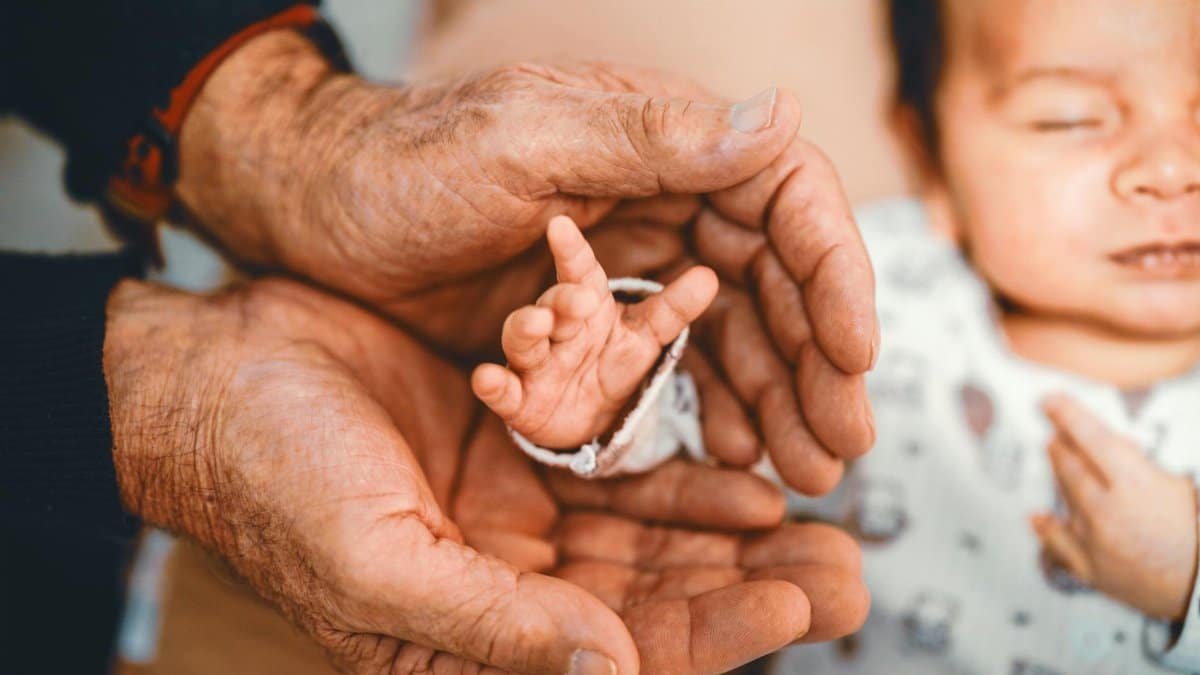
Imagine receiving news that could change how you think about the years ahead. For many in their middle years the question of how to live well and long occupies more and more thought. A new study reveals that the dynamics of genetics environment longevity are more collaborative than previously imagined with each element contributing nearly equally to our time on this earth. Drawing on vast troves of data the research published recently offers hope by showing that our surroundings and choices hold as much sway as the DNA we carry from our parents.
This fifty fifty division marks a significant shift in how experts view the science of aging. It moves away from fatalistic interpretations and toward a message of empowerment. Readers who have watched family members struggle with health issues may find comfort in knowing that environment can modify genetic risks in meaningful ways. The study suggests our actions today ripple forward in ways that can add vibrant years to our stories.
The Evidence Behind The Fifty Fifty Split

The latest findings come from a comprehensive review of existing studies combined with new analysis of participant records spanning decades. Scientists at leading institutions examined everything from birth records to death certificates while accounting for a wide array of variables. Their conclusion that genetics and environment each play equal roles in longevity has drawn attention across the scientific community. As detailed in a recent Washington Post article the work builds on earlier twin studies but expands them with modern statistical methods. The implications are profound for public health policy and personal decision making.
One coauthor noted that previous estimates had varied widely but this project used larger samples and better controls to arrive at the balanced assessment. For anyone concerned about family history of early mortality the message is clear. Your daily life matters just as much as your ancestry. This balanced perspective on genetics environment longevity invites us to move beyond blame or resignation into a space of informed optimism.
Decoding The Genetic Contributions To Long Life
Our genes do play a crucial part in setting the stage for longevity. Certain variations can predispose individuals to conditions that shorten life such as heart disease or cancer. Yet the study emphasizes that these risks are not fixed. Genetic markers associated with exceptional life spans have been identified in centenarians but even those with favorable genetics benefit from supportive environments. The research team identified clusters of genes that influence inflammation and cellular repair mechanisms.
However without proper nutrition and stress management even the best genetic profile may not lead to a long and healthy life. This section of the research helps explain why some people with seemingly perfect habits still face challenges while others with more relaxed approaches defy the odds. It underscores the complex interactions at play in human biology and reminds us that inheritance is only part of the narrative.
The Many Ways Environment Shapes Our Future

Environment encompasses far more than the air we breathe or the water we drink. It includes the food available to us the safety of our neighborhoods the quality of our relationships and the cultural values that guide our choices. The study found that these collective influences carry as much weight as genetic inheritance in determining longevity. People living in areas with high pollution or limited access to healthcare showed measurably shorter life spans even when genetic profiles were similar to those in more favorable settings.
Economic stability emerged as one of the strongest environmental predictors. Those with resources to manage stress pursue education and maintain social ties consistently lived longer. This reality speaks directly to middle aged readers who may be reassessing priorities. The environment we cultivate around ourselves becomes a form of destiny we can still author.
Diet Physical Activity And Daily Habits
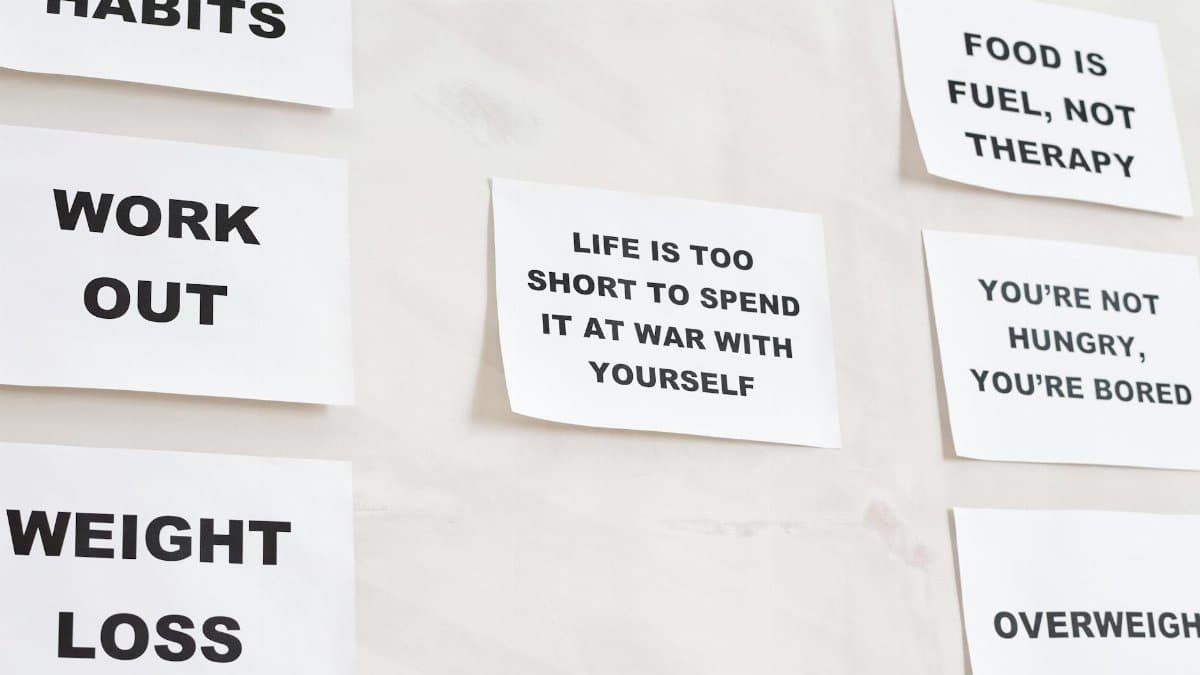
What we eat and how we move our bodies represent some of the most direct ways we influence longevity. The research highlights strong associations between plant based eating patterns regular movement and extended health span. Participants who consumed diets rich in vegetables nuts and whole grains showed lower rates of chronic disease regardless of their genetic starting point. Physical activity appeared to activate helpful genes while quieting those linked to inflammation.
These findings align with observations from blue zones where people reach advanced ages not through extreme regimens but through natural movement and simple meals shared with others. For readers seeking practical steps the study suggests that consistency in these areas can meaningfully shift outcomes. Small changes maintained over decades appear to accumulate into substantial gains in both length and quality of life.
Social Ties That Sustain Longevity
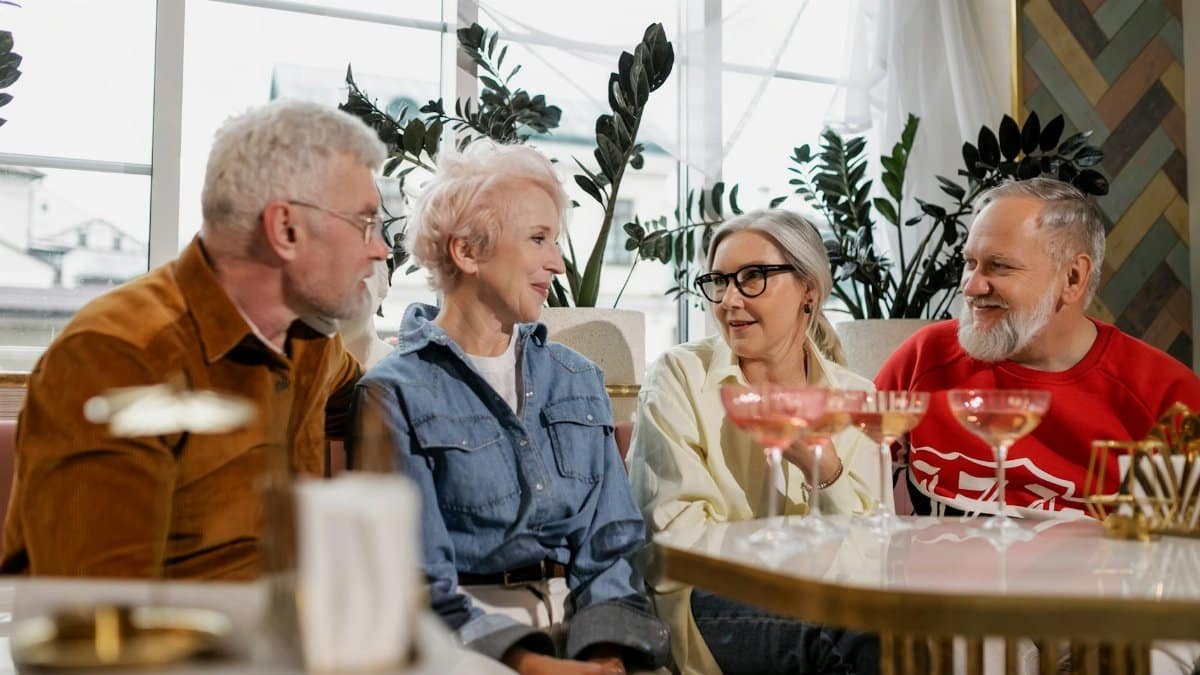
One of the most consistent environmental factors across the data involves human connection. Strong family bonds friendships and community involvement correlate with better immune function lower rates of dementia and overall longer life. The study found that socially isolated individuals faced mortality risks comparable to those caused by serious medical conditions. This environmental element often receives less attention than diet or exercise yet it may prove equally powerful.
Middle aged adults who invest time in relationships report not only longer lives but richer ones. The research suggests that our social environment literally gets under the skin influencing gene expression related to stress and repair. Building and maintaining these ties represents one of the most evidence based strategies available to all of us regardless of genetic background.
Spiritual Practices And Their Measurable Benefits

Within the broad category of environment spiritual and contemplative practices appear to contribute to longevity in surprising ways. The study referenced related research showing that individuals who maintain a sense of meaning purpose or connection to something larger than themselves often experience reduced chronic stress and improved health markers. Meditation prayer and communal worship correlated with lower inflammation levels and better cardiovascular outcomes in several supporting datasets.
These practices seem to work by changing how we respond to the challenges of living. Rather than adding years through direct biological mechanisms they improve the quality of the years we have which in turn supports longer life. For many middle aged readers exploring these dimensions offers a pathway that complements medical advice. A growing body of evidence suggests that spiritual environment forms an important part of the longevity equation. Read the full Washington Post analysis here.
Finding Balance In What We Inherit And What We Create
The equal contribution of genetics and environment frees us from two unhelpful extremes. We need not feel doomed by family history nor burdened by the idea that perfect behavior guarantees perfect health. Instead the study promotes a realistic balance. Some factors remain beyond our control while many others respond to our choices. This perspective encourages humility about our limits and responsibility for our opportunities.
Researchers emphasize that gene expression is not static. Our environment talks to our genes in constant conversation. Understanding this dialogue allows us to make wiser decisions without falling into either genetic fatalism or unrealistic self blame. The science of genetics environment longevity thus becomes deeply human inviting both acceptance and agency.
Steps For Readers In Middle Age

For those navigating the middle decades of life the study offers clear directions rather than vague inspiration. Begin by assessing current habits without judgment then identify two or three areas where change feels sustainable. Prioritize social connection alongside physical movement and nourishing food. Consider exploring contemplative practices that foster a sense of meaning. These steps do not require perfection but they do reward consistency.
Many readers will recognize that their current environment could better support their genetic potential. Small adjustments such as regular walks with friends gardening or joining a community group compound over time. The research suggests that interventions started in middle age still yield significant benefits. It is never too late to positively influence our personal equation of genetics environment longevity.
Future Directions In Longevity Science

Looking forward researchers anticipate even more precise understandings of how specific environments interact with particular genetic profiles. Advances in personalized testing may soon allow individuals to see which environmental changes would prove most beneficial for their unique makeup. Yet the central finding of this latest study is likely to endure. No matter how sophisticated our tools become the interplay between nature and nurture will remain roughly balanced.
This knowledge shifts the focus from seeking magic bullets toward creating societies and personal lives that support healthy aging for everyone. Public policies that reduce pollution expand access to nutritious food and strengthen community infrastructure may ultimately prove as important as laboratory breakthroughs. The study leaves us with both humility and hope about the years we may yet enjoy.
Real World Examples From Long Lived Communities

Observations from regions where exceptional longevity occurs naturally reinforce the study conclusions. In these places diet movement social bonds and sense of purpose align in ways that appear to maximize genetic potential. Residents do not obsess over their choices yet their environment constantly supports better health. These real world laboratories demonstrate that the fifty fifty balance operates not just in theory but in everyday human experience.
Stories of individuals who have reached advanced ages while managing genetic challenges further illustrate the power of environment. Their experiences remind us that statistics describe populations while each life tells its own unique story within the larger framework of genetics environment longevity. As science continues to illuminate these patterns the most valuable insights may be those we apply in our own homes and communities starting today.