

In a nation where workplace stress affects nearly 80 percent of employees, according to recent data from the American Psychological Association, innovative approaches are gaining traction. A new program in Austin is harnessing sound healing to combat this epidemic, blending ancient practices with modern wellness needs. This initiative, launched in early 2025, invites workers to sessions featuring gongs, singing bowls, and tuned frequencies aimed at promoting relaxation and mental clarity. Amid rising burnout rates, sound healing, Austin wellness, stress relief efforts like this reflect a broader shift toward holistic methods. Participants report feeling more grounded after just one session, hinting at how such tools could reshape daily routines. As cities across the U.S. explore similar paths, Austin’s model stands out for its focus on accessible, community-driven relief.
The Origins of Sound Healing in Modern Wellness

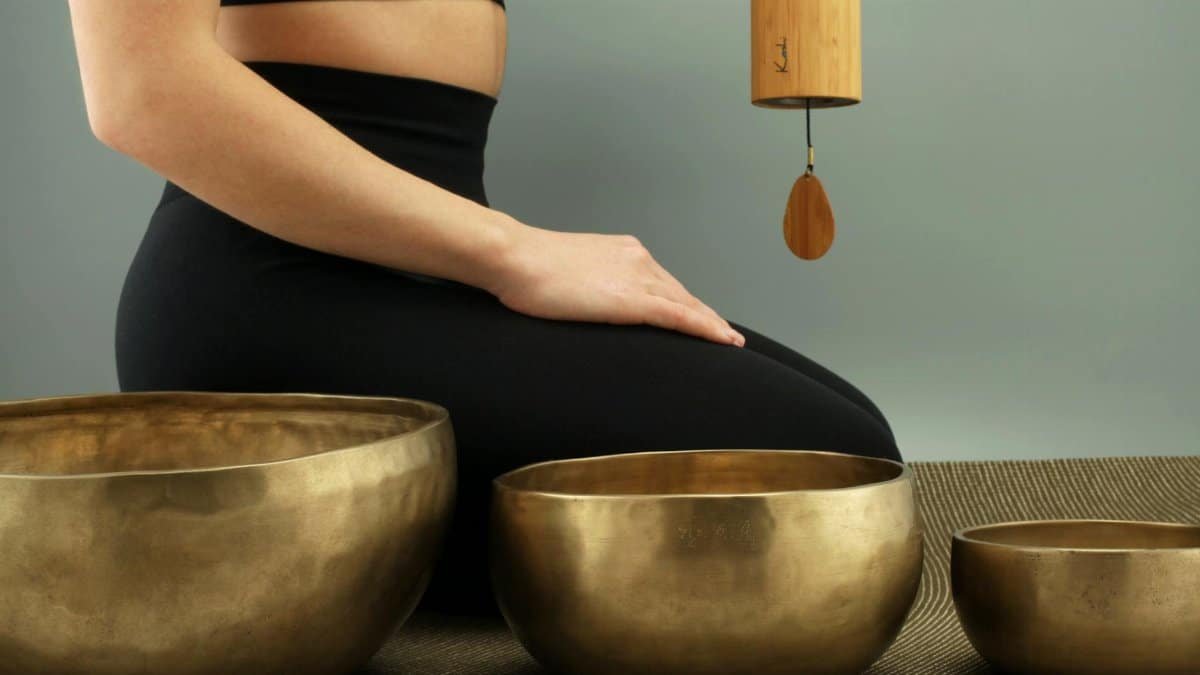
Sound healing draws from traditions that span centuries, rooted in cultures like those of ancient Tibet and indigenous American practices. Today, it’s evolving in places like Austin, where wellness scenes thrive on innovation. Practitioners use instruments to create vibrations that supposedly align the body’s energy. This isn’t mere folklore; emerging research suggests these sounds can influence brain waves, shifting them toward calmer states.
Consider a typical session: a group gathers in a dimly lit studio, the air humming with anticipation. As the first gong strikes, a deep resonance fills the room, washing over participants like a gentle wave. One anonymous account shared publicly online described it as “a reset button for my overwhelmed mind,” capturing the immediate sense of release many feel. In Austin’s bustling tech hubs, where long hours are the norm, such experiences offer a counterpoint to constant digital noise.
Experts point to studies showing how sound can lower cortisol levels, the hormone tied to stress. For instance, a report from the National Institutes of Health explores how vibrational therapies might support mental health.NIH Study on Sound Therapy delves into these mechanisms, providing a scientific backbone to what some dismiss as new-age fluff.
Austin’s Unique Wellness Landscape

Austin has long positioned itself as a hub for progressive health initiatives, from yoga festivals to farm-to-table eateries. Now, sound healing fits seamlessly into this tapestry, enhancing the city’s reputation for forward-thinking wellness. Local studios and community centers are incorporating these sessions, often tailored to the stresses of urban life.
Picture a downtown office worker slipping away during lunch for a quick sound bath. The practice isn’t confined to spas; it’s infiltrating corporate environments, where leaders recognize the toll of high-pressure jobs. In 2025, with remote work blurring boundaries, Austin’s programs emphasize boundary-setting through auditory calm. This integration highlights how sound healing, Austin wellness, stress relief can adapt to everyday demands.
Community voices echo this enthusiasm. One participant, a software engineer, shared how the sessions helped manage anxiety from endless meetings. “It’s like tuning an instrument,” she said, her words reflecting a common metaphor in these circles. Such stories underscore Austin’s role in democratizing wellness tools.
How Sound Healing Targets Workplace Stress

At its core, sound healing aims to interrupt the cycle of stress by engaging the nervous system directly. Frequencies from crystal bowls or chimes are said to promote alpha and theta brain states, associated with relaxation and creativity. For stressed workers, this means a potential break from the fight-or-flight response that dominates high-stakes jobs.
In Austin’s new program, sessions are structured around work schedules, lasting 30 to 60 minutes. Participants lie back, eyes closed, as sounds envelop them. Research from Harvard Medical School supports the idea that such auditory interventions can reduce perceived stress. A linked study examines mindfulness practices, including sound elements.Harvard Health on Stress Reduction offers insights into these benefits.
Yet, it’s not all straightforward. Some skeptics question the placebo effect, wondering if belief drives the relief more than the sounds themselves. This tension adds depth to the conversation, reminding us that wellness often blends science with personal experience.
The New Program: Structure and Implementation

Launched by a coalition of local wellness experts and corporate partners, Austin’s sound healing initiative targets employees in tech and creative industries. Weekly sessions occur in converted office spaces, making participation easy. The program includes guided meditations paired with live soundscapes, designed to build resilience over time.
Organizers drew inspiration from successful models elsewhere, adapting them to Austin’s vibe. Early feedback shows attendance spiking, with workers citing improved focus post-session. One brief snapshot: a group of marketers huddled after a meeting, still buzzing from the morning’s gong therapy. Their laughter mixed with lingering vibrations, a small sign of shifted energy.
To measure impact, the program tracks metrics like self-reported stress levels. Preliminary data aligns with broader trends, such as those from the Centers for Disease Control and Prevention on workplace mental health.CDC Workplace Stress Resources provide a framework for understanding these efforts.
Participant Experiences and Testimonials

Stories from those involved paint a vivid picture of transformation. A middle-aged accountant, juggling deadlines and family, found solace in the program’s rhythmic pulses. “It quiets the mental chatter,” he noted, his voice steady with newfound calm. These accounts reveal how sound healing, Austin wellness, stress relief fosters a sense of community amid isolation.
Not every experience is euphoric. Some report initial discomfort with the intensity of sounds, a hurdle that facilitators address through gradual exposure. This nuance highlights the practice’s accessibility challenges, yet many push through, emerging more attuned to their needs.
Online forums buzz with similar sentiments, one user anonymously recounting how sound sessions eased pandemic-era burnout. Such narratives weave into Austin’s program, encouraging broader adoption.
Scientific Backing and Ongoing Research

While anecdotal evidence abounds, science is catching up. Studies indicate that sound waves can influence physiological responses, potentially lowering blood pressure and improving sleep. A review from the Journal of Evidence-Based Integrative Medicine supports these claims, linking auditory therapies to stress reduction.
In Austin, program leaders collaborate with researchers to gather data, contributing to this growing field. For example, a study from the University of Texas explores wellness interventions in urban settings.University of Texas Research Page hosts related projects, offering a glimpse into local academic efforts.
This research tempers enthusiasm with rigor, addressing criticisms that sound healing lacks empirical weight. As 2025 unfolds, expect more findings to shape its role in wellness.
Challenges in Adopting Sound Healing at Work
Despite promise, barriers exist. Cost can deter smaller firms, and scheduling conflicts arise in fast-paced environments. Cultural stigma also lingers, with some viewing it as too esoteric for professional settings.
Austin’s program tackles these by offering subsidized sessions and flexible timings. Still, inclusivity remains key; not everyone responds equally to sound-based methods. Facilitators adapt for diverse needs, ensuring broader appeal.
Reflecting on this, one expert observed that integration requires buy-in from leadership. Without it, initiatives falter. This dynamic plays out in Austin, where success hinges on evolving attitudes toward holistic health.
Broader Implications for U.S. Workplaces

Austin’s model could inspire nationwide changes, as companies seek ways to retain talent amid high turnover. With stress contributing to billions in lost productivity, per Labor Department estimates, sound healing offers a low-cost alternative.
Imagine offices across America incorporating sound breaks, much like standing desks did a decade ago. In 2025, trends point toward this hybridization of work and wellness. Sound healing, Austin wellness, stress relief might just lead the charge, proving that ancient tools can address modern woes.
Getting Started with Sound Healing Locally

For those intrigued, Austin abounds with entry points. Start with free community events or apps offering guided sound meditations. Building a routine takes patience, but consistency yields results.
Local instructors recommend beginning small, perhaps with a single bowl at home. Resources from reputable organizations guide newcomers, ensuring safe exploration. As interest grows, sound healing, Austin wellness, stress relief becomes more than a trend; it’s a toolkit for enduring calm.
Looking Ahead: Sustainability and Growth

As the program expands, sustainability emerges as a focus. Organizers plan virtual options, extending reach beyond Austin. This adaptability ensures longevity, even as wellness landscapes shift.
Ultimately, these efforts remind us that stress relief isn’t one-size-fits-all. Sound healing provides one path, rich with possibility for those open to its vibrations.