

In the dim winters of Anchorage, where daylight can dwindle to just a few hours, a surprising statistic emerges: according to a 2023 report from the Alaska Department of Health, nearly 40% of residents report heightened stress levels due to seasonal affective disorder, a figure that’s prompted innovative responses. This year, in 2025, a new program is harnessing light therapy to combat workplace stress, blending it with broader Anchorage wellness initiatives for stress relief. It’s not just about chasing away the gloom; it’s a targeted effort to foster mental resilience amid the demands of modern work life. As companies grapple with burnout, this approach offers a beacon—literally—for employees navigating long nights and high-pressure jobs. What started as a niche treatment is now illuminating paths to better well-being in Alaska’s largest city.
The Roots of Light Therapy in Alaska’s Challenging Climate
Alaska’s extreme environment has long shaped how people approach health. With winters that plunge the state into extended darkness, light therapy emerged as a practical tool decades ago, drawing from early 20th-century research on circadian rhythms. Think of those early pioneers, bundling up against the cold while experimenting with artificial sunlight to mimic summer days. Today, in Anchorage, this science is being repurposed for stress relief, tailored to the unique demands of local life.
One local resident, a teacher in her 50s, shared how the perpetual twilight once left her drained by midday. “It was like carrying an invisible weight,” she recalled during a community forum. Introducing light therapy lamps into her routine changed that, providing a steady glow that reset her internal clock. This isn’t mere folklore; studies back it up. A comprehensive review from the National Institutes of Health highlights how bright light exposure can regulate melatonin and cortisol, key hormones tied to stress.
But it’s not all straightforward. In Anchorage, where outdoor activities like hiking offer natural light in summer, the winter shift forces a reliance on technology. Programs now integrate these therapies into daily schedules, making them accessible beyond clinical settings. This evolution reflects a broader U.S. trend toward holistic wellness, where environmental factors meet modern medicine.
How the New Anchorage Program Works

Picture a typical office in downtown Anchorage: fluorescent lights hum overhead, but now, dedicated wellness rooms feature specialized light boxes emitting 10,000 lux of brightness. Launched in early 2025 by the Anchorage Wellness Coalition, this initiative partners with local employers to install light therapy stations, aiming for 15-30 minute sessions during breaks.
The program’s design is deceptively simple yet rooted in evidence. Participants sit before the lights, perhaps reading or meditating, while the therapy mimics natural dawn. It’s part of a larger stress relief strategy that includes mindfulness workshops, tying into anchorage wellness efforts like community yoga sessions. Early adopters report sharper focus and reduced anxiety, echoing findings from a Mayo Clinic overview on phototherapy’s role in mood regulation.
One company, a mid-sized tech firm, piloted the program last fall. Employees described it as a “reset button” amid deadlines. Yet, integration varies—some find the sessions interruptive, highlighting the need for flexible scheduling.
Stress Relief Benefits Backed by Science

Stress gnaws at productivity, and in high-stakes environments like Anchorage’s oil and gas sectors, it’s a constant companion. Light therapy, anchorage wellness, stress relief come together here to offer tangible relief, with research showing reductions in symptoms like fatigue and irritability.
A study published in the Journal of Affective Disorders found that consistent light exposure lowered stress markers by up to 25% in participants with seasonal mood dips. In Anchorage, where winter blues amplify workplace tension, this translates to fewer sick days and better team dynamics. Imagine a manager, previously short-tempered from sleep disruptions, now approaching meetings with renewed calm.
Of course, it’s not a panacea. Experts caution that combining it with exercise or therapy yields the best results, as noted in guidelines from the Centers for Disease Control and Prevention. Still, the program’s emphasis on accessibility makes it a promising tool for middle-aged workers juggling careers and family.
Challenges in Implementing Workplace Light Therapy
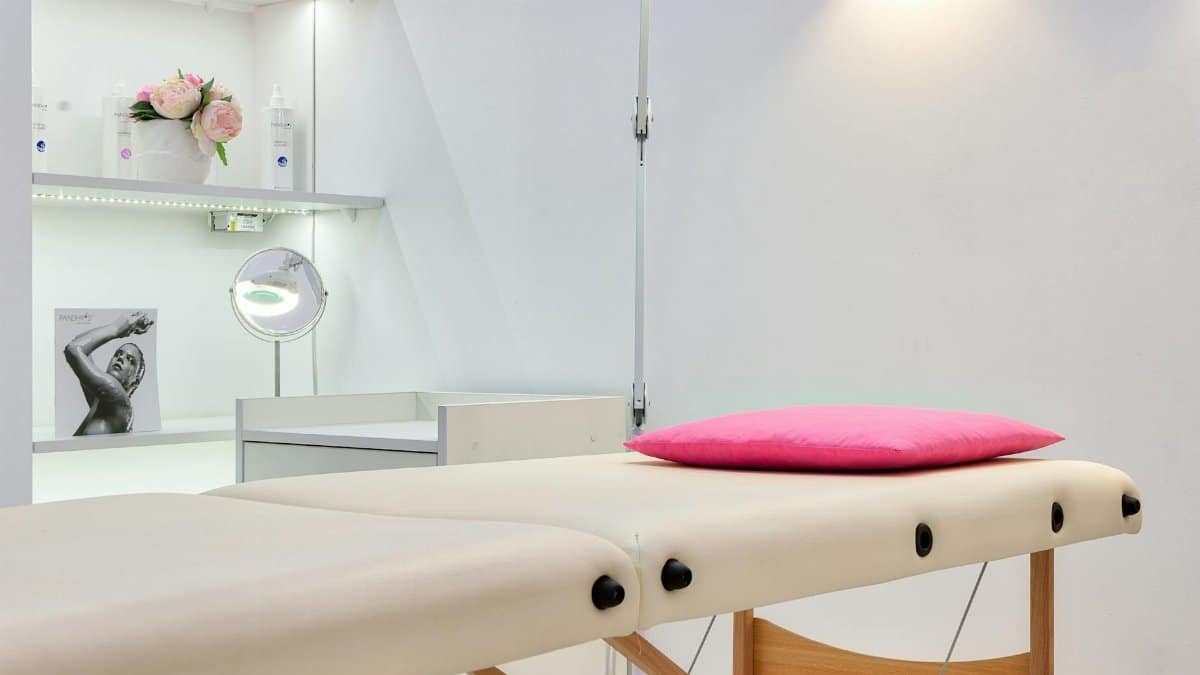
Not every rollout is seamless. Skepticism lingers among some employees, who view light therapy as a gimmick rather than proven science. In Anchorage’s diverse workforce, cultural differences add layers—indigenous communities, for instance, have traditional ways of coping with darkness that might clash with tech-driven solutions.
Logistics pose hurdles too. Cost for quality lamps can run high, and not all offices have space for dedicated areas. One anonymous account from an online discussion captured the frustration: “I tried it at work, but the glare gave me a headache—now what?” This points to the importance of customization, ensuring sessions suit individual needs.
Despite these obstacles, advocates push forward, drawing lessons from similar programs in Seattle. By addressing feedback early, Anchorage’s initiative aims to refine its approach, making light therapy, anchorage wellness, stress relief more inclusive.
Personal Stories from Anchorage Participants

Stories bring the data to life. Take Sarah, a 45-year-old accountant who joined the program after months of burnout. Mornings were the worst, she said, with coffee barely cutting through the fog. After incorporating light therapy into her routine, she noticed subtle shifts: easier concentration, fewer arguments at home. “It’s like the light pierced through more than just the darkness,” she reflected.
Another participant, a construction supervisor, found it transformative during shift work. Online forums buzz with similar tales, one describing how it “turned my winter dread into something manageable.” These narratives underscore the human element, beyond statistics, in anchorage wellness efforts.
Such accounts align with broader research, like a American Psychological Association report on workplace stress, emphasizing interventions that build resilience.
Beyond the Office: Community-Wide Impacts

The program’s ripple effects extend into Anchorage’s neighborhoods. Public libraries and community centers now offer light therapy sessions, democratizing access for those without employer support. This ties into larger stress relief movements, where wellness becomes a communal pursuit.
Families benefit too. Parents report using home versions to help children with school-related anxiety, fostering a culture of proactive mental health. In 2025, as remote work blurs boundaries, this holistic view gains traction, potentially reducing city-wide stress indicators.
Yet, equity remains key. Not everyone can afford personal devices, prompting calls for subsidies. It’s a reminder that effective wellness requires addressing systemic barriers.
Looking Ahead: Sustaining Momentum in Wellness

As Anchorage refines its program, questions arise about long-term efficacy. Will participation wane, or will it evolve? Early indicators suggest growth, with plans to expand to schools and hospitals.
Integrating technology, like app-guided sessions, could enhance engagement. For middle-aged readers facing midlife pressures, this offers a low-barrier entry to self-care. Light therapy, anchorage wellness, stress relief aren’t just trends—they’re tools for enduring well-being in an unpredictable world.
In a city where nature dictates so much, blending science with community spirit feels right. It’s about illuminating paths forward, one session at a time.