
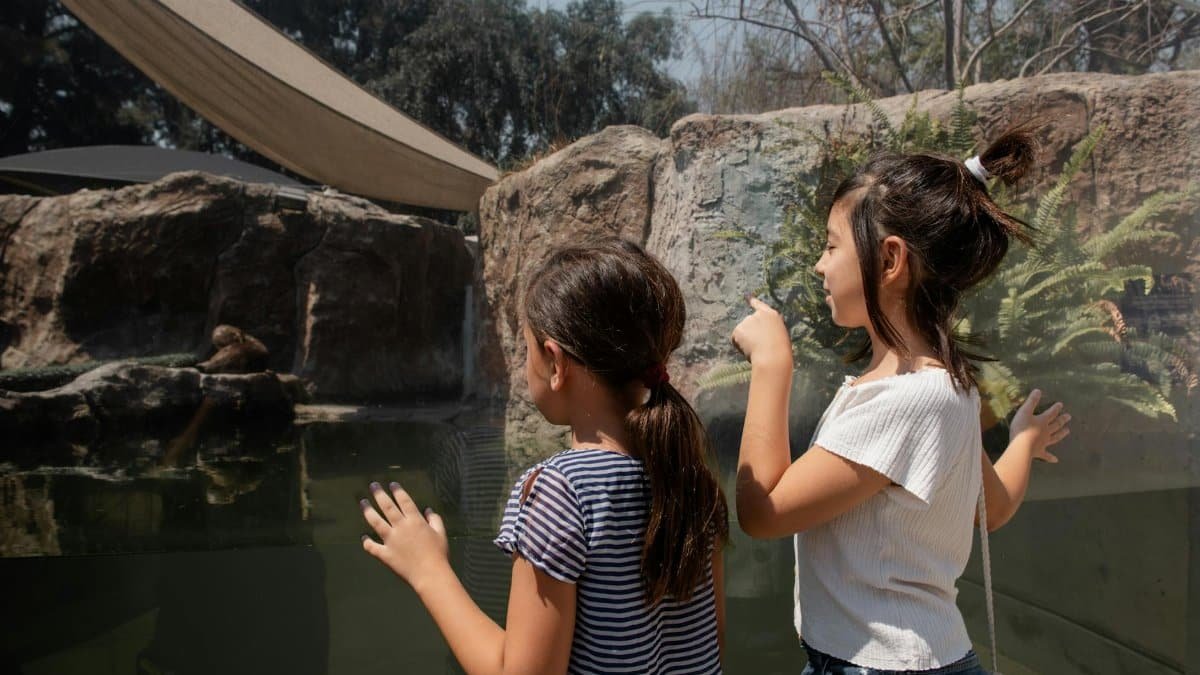
In a sunlit clearing amid the oaks of rural Vermont a dozen children peer through binoculars at a family of deer grazing at the forest edge. Their laughter rises with the rustling leaves while a naturalist describes the delicate balance of the local ecosystem. Scenes like this are becoming more common thanks to wildlife education programs that have expanded rapidly across the country. These initiatives do more than teach facts about animals and habitats. They aim to restore an intimate relationship between children and the living world around them restoring both ecological knowledge and a quieter sense of belonging to something larger than themselves.
The Roots of a Growing Movement
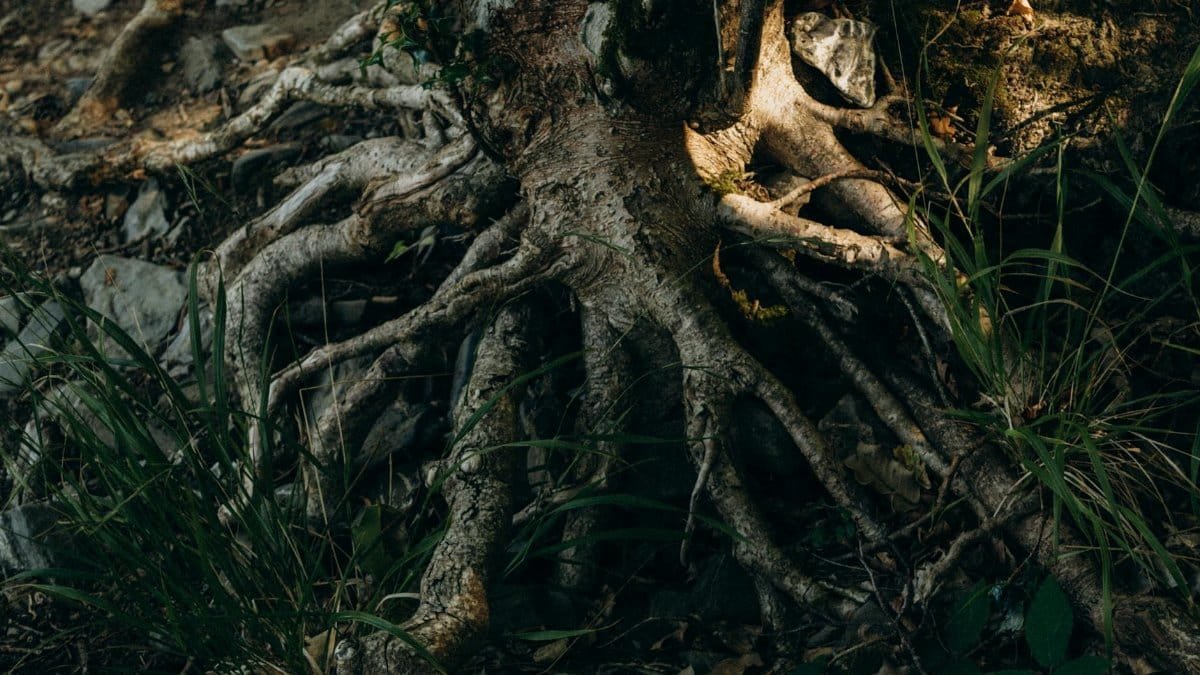
Wildlife education programs trace their modern surge to a simple realization that many children today can name exotic rainforest species yet cannot identify the birds singing outside their windows. Concerned biologists and educators began piloting local efforts in the early 2010s. What started as scattered nature clubs has evolved into coordinated national networks supported by partnerships between schools, conservation groups, and federal agencies. The programs emphasize direct experience over classroom lectures placing children in forests, wetlands, and urban green spaces where they can observe, question, and form personal connections.
Supporters point to shifting childhood patterns. Screen time has risen while outdoor free play has declined. In response organizers designed structured yet playful experiences that feel nothing like traditional science class. The approach has proven especially popular with parents who remember their own unstructured days in the woods and worry their children may never know that same freedom.
Reaching Children Where They Live
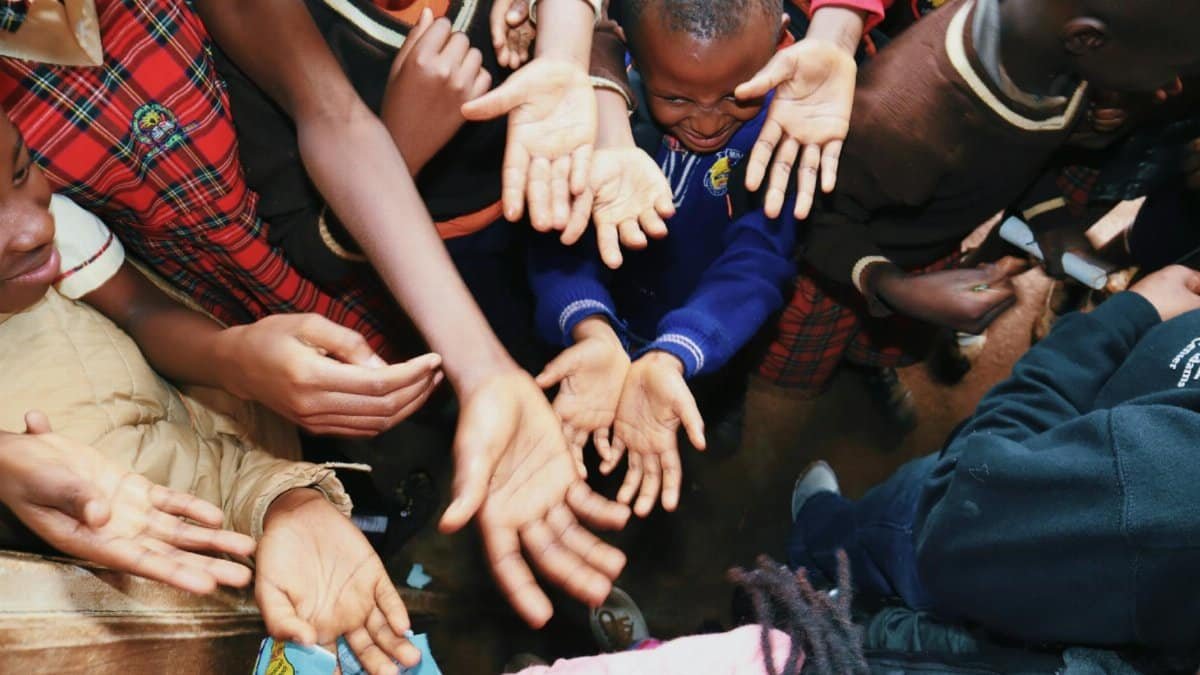
One of the movements quiet successes lies in its flexibility. In Los Angeles wildlife education programs operate inside concrete lined river channels turned into pocket wetlands. In Chicago they transform vacant lots into monarch butterfly way stations. Rural programs in Appalachia focus on black bears and native trout while coastal initiatives teach children about tidal pools and migrating shorebirds. This localized approach ensures relevance. A child in Phoenix learns about saguaro cacti and desert tortoises rather than distant polar bears.
Educators report that when children study the wildlife sharing their own neighborhoods protection becomes personal. A fifth grader who watches a box turtle lay eggs in the backyard is far more likely to notice when that habitat disappears.
Fostering Wonder and Emotional Depth
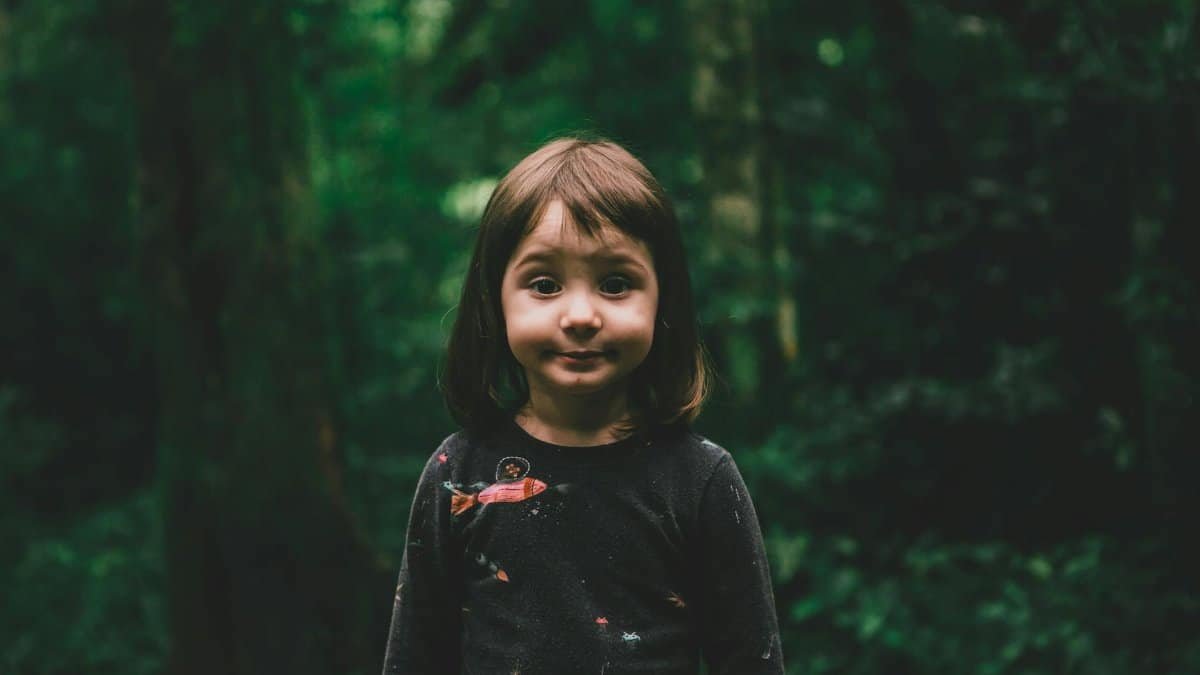
Beyond scientific literacy these programs cultivate something harder to measure yet equally vital. Many participants describe moments of profound stillness watching a hawk ride thermals or discovering the iridescent beauty of a beetle shell. Such experiences often trigger what psychologists call awe, a feeling that appears linked to both psychological resilience and prosocial behavior.
Middle aged parents observing their children return from these outings frequently remark on subtle changes. The constant fidgeting quiets. Questions about life and death emerge with new seriousness. Some program leaders deliberately create space for reflection encouraging children to sit quietly and simply notice. In an age of constant stimulation these small pockets of presence feel almost radical.
The Science Supporting Nature Connection
Research consistently backs what participants feel intuitively. A 2023 University of Michigan study following 640 children found those enrolled in regular outdoor wildlife education showed measurable improvements in attention span, emotional regulation, and empathy toward other species. Another longitudinal project from Cornell University tracked participants into their teenage years and discovered significantly higher rates of environmental advocacy and community volunteering.
Brain imaging research reveals that time spent in natural settings activates regions associated with empathy and moral reasoning. These findings have helped wildlife education programs gain credibility with school districts initially skeptical about trading classroom time for field experiences.
Stories of Transformation

In Albuquerque thirteen year old Marcus joined a wildlife education program after struggling with anxiety and frequent school absences. Within six months his teachers noted improved focus and fewer behavioral incidents. His mother credits the program with giving him a place where he felt competent and calm. Marcus now leads younger students on bird walks and speaks with surprising confidence about habitat preservation.
Similar accounts emerge nationwide. A girl in Maine who once feared the dark now confidently leads night hikes to listen for owls. A boy in suburban Atlanta discovered his talent for photography while documenting urban foxes and recently won a regional conservation photography award. These individual transformations accumulate into something larger, a generation learning that their actions matter in the web of life.
Connecting With Something Greater

Many involved in these programs speak in terms that sound almost spiritual though they rarely use religious language. Children describe feeling part of something ancient and alive, a sentiment that resonates with growing adult interest in nature based spirituality. Program coordinators have learned to honor these experiences without prescribing beliefs. They create conditions for wonder and let the landscape do the teaching.
This dimension particularly appeals to parents seeking meaning beyond material success. Many report that watching their children develop reverence for living things has prompted them to reconsider their own relationship with the natural world. The programs thus function as quiet catalysts for entire families.
Challenges in Bringing Programs to Scale

Despite clear benefits significant obstacles remain. Funding continues to be patchwork with many initiatives relying on grants that expire after three years. Teacher training presents another hurdle. Most educators received little environmental instruction during their own preparation and feel uncomfortable leading outdoor classes. Liability concerns also loom large particularly in districts wary of potential injuries or encounters with wildlife.
Equity issues persist as well. Children in low income neighborhoods often face the greatest nature deficit yet frequently have the least access to quality programs. Organizers are working to address this through transportation partnerships and training community members as local guides but progress remains uneven.
The Critical Role of Educators and Mentors

The most successful wildlife education programs invest heavily in their human infrastructure. Naturalists who combine scientific knowledge with storytelling ability prove especially effective. Many programs now recruit older adults as volunteers creating meaningful intergenerational exchanges that benefit everyone involved.
These mentors do far more than identify species. They model respectful engagement with the living world demonstrating patience, careful observation, and delight in small discoveries. Their influence often extends well beyond the official program hours as children return with parents to show off favorite spots and share newfound knowledge.
What the Future Holds

As wildlife education programs continue expanding their organizers face an important choice. Will they remain primarily enrichment activities or will they integrate more deeply into core curriculum? Some districts have begun piloting full semester courses that blend biology, writing, art, and civic engagement around local ecological themes. Early results look promising.
The ultimate measure of success may not be test scores but rather the emergence of a generation that sees itself as capable and responsible participants in the ecosystems they inhabit. If current trends continue these children will enter adulthood with both the knowledge and the emotional connection necessary to make difficult environmental choices with wisdom and care.
The quiet revolution happening in meadows and woodlands across America suggests that the desire to reconnect with wild things runs deep in the human spirit. By giving children direct experience of the living world these programs remind us all that nature is not somewhere else. It is here, now, waiting for us to pay attention.