
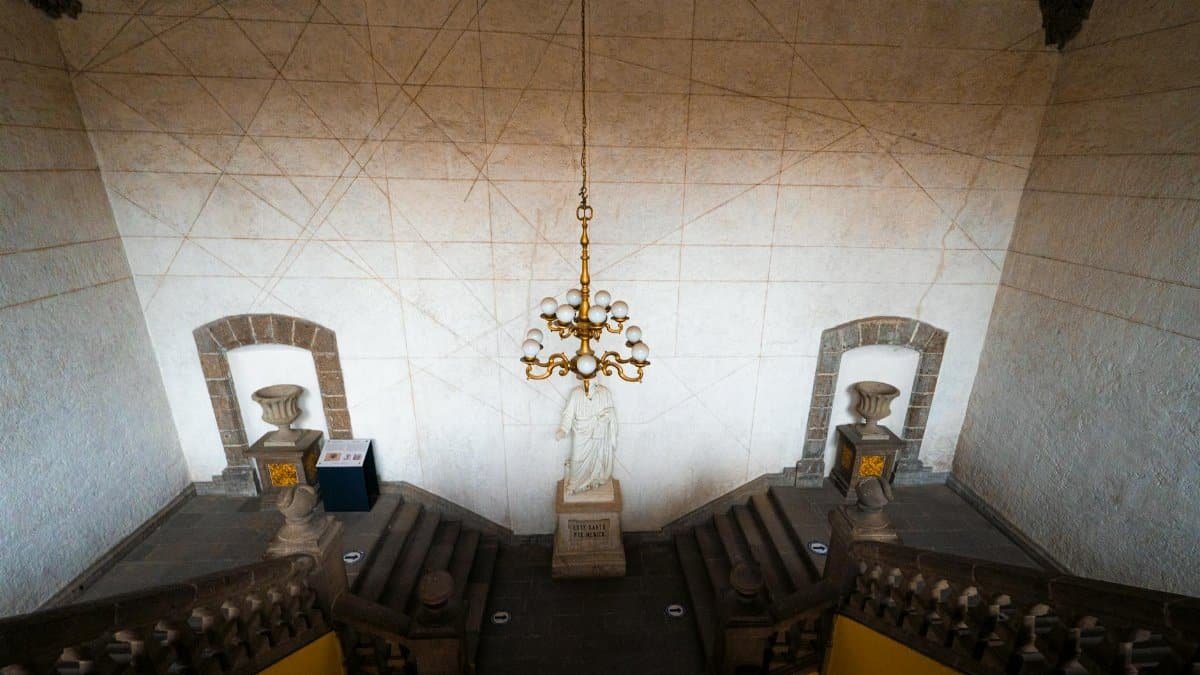
Santa Fe, NM, is buzzing with cultural energy as the new mexico indigenous ego exhibit, titled “Beyond Self: Indigenous Pathways to Unity,” opens at the Museum of Indian Arts & Culture. Launched on March 21, 2025, this groundbreaking display dives into Indigenous practices of ego dissolution, offering visitors a rare glimpse into spiritual traditions that prioritize unity over individuality. With projected attendance of 200,000 by its October close, the exhibit is already shaping up to be a major draw for those seeking deeper cultural and personal insights.
A Window into Indigenous Wisdom
The heart of “Beyond Self: Indigenous Pathways to Unity” lies in its authentic representation of Indigenous spiritual practices. The exhibit showcases Pueblo kiva murals, which depict sacred spaces where community and transcendence intertwine. These intricate artworks serve as a visual testament to the Pueblo peoples’ long-standing traditions of dissolving personal ego for collective harmony. Visitors can stand before these murals and feel the weight of centuries of wisdom, preserved and presented with reverence.
Navajo Sand-Painting in Virtual Reality
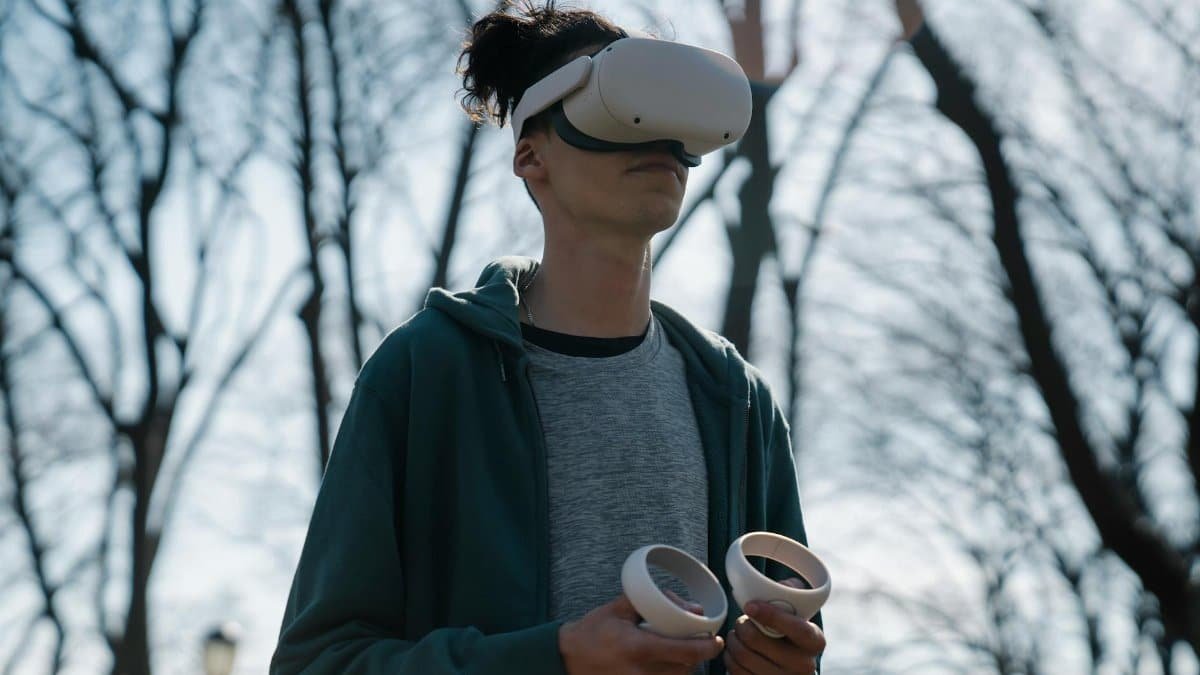
One of the exhibit’s most innovative features is the Navajo sand-painting VR recreations. Using cutting-edge technology, the museum allows guests to immerse themselves in the ephemeral art form traditionally used in healing ceremonies. These virtual experiences replicate the meticulous process of creating sand paintings, which often symbolize balance and the release of self-centered perspectives. This digital approach not only preserves the art but also makes it accessible to a broader audience in 2025.
Interactive Breath-Drum Stations
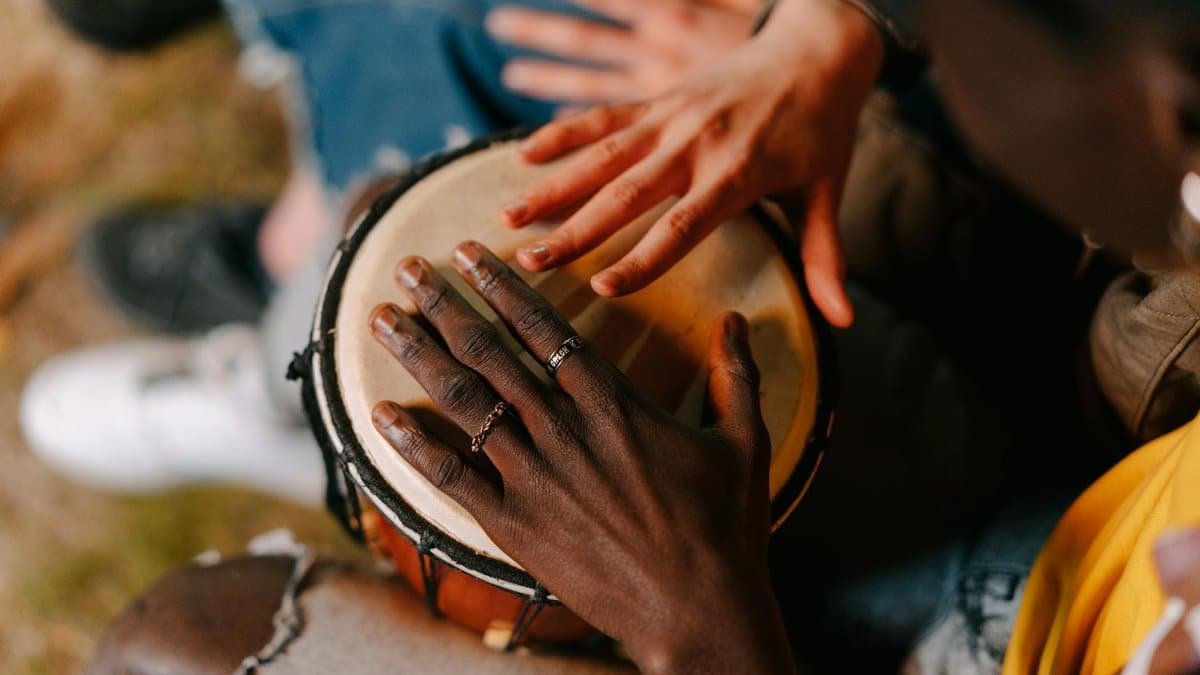
For those craving a hands-on experience, the interactive breath-drum stations offer a unique entry point into Indigenous practices. These stations guide visitors through rhythmic breathing and drumming exercises, mirroring techniques used in ceremonies to transcend individual identity. The tactile and auditory elements create a powerful connection to the spiritual practices on display, letting participants feel the pulse of unity that defines many Indigenous worldviews.
Collaboration with Elders and Scholars
The exhibit’s depth owes much to two years of collaboration between museum curators, Indigenous elders, and EgoEase scholars. This partnership ensured that every element reflects cultural accuracy and respect. Elders provided firsthand knowledge of rituals and philosophies, while scholars contributed academic insights into the concept of ego dissolution. The result is a display that balances education with reverence, offering a nuanced look at how these communities navigate the self in relation to the whole.
Funding and Community Impact
Backing this ambitious project is a $2 million grant from the National Endowment for the Humanities (NEH). This significant investment underscores the exhibit’s importance in preserving and sharing Indigenous knowledge with a national audience. The funding has enabled the museum to create high-quality installations and outreach programs, ensuring that the new mexico indigenous ego exhibit reaches beyond Santa Fe to inspire dialogue about cultural heritage and spiritual growth. More information on NEH initiatives can be found at National Endowment for the Humanities.
Empathy Workshops Sell Out Fast
One of the exhibit’s standout offerings is its docent-led empathy workshops, designed to deepen visitors’ understanding of Indigenous perspectives on unity. These sessions, which focus on fostering connection and self-reflection, have sold out through July 2025. Participants engage in guided discussions and activities that mirror the communal values highlighted in the exhibit. The overwhelming demand signals a public hunger for meaningful cultural engagement in today’s often fragmented world.
Digital Archive of Living Traditions

To capture the exhibit’s impact, the museum has introduced survey tablets for visitors to share their reflections. These personal insights will inform a planned digital archive of living traditions, ensuring that the voices of today’s audiences contribute to the preservation of Indigenous knowledge. This forward-thinking initiative aims to create a lasting resource, blending contemporary reactions with timeless teachings. Details on similar archival efforts can be explored through Library of Congress Digital Preservation.
A Cultural Moment in Santa Fe
With an expected 200,000 visitors by October, the new mexico indigenous ego exhibit is more than a temporary display—it’s a cultural moment. The Museum of Indian Arts & Culture has crafted an experience that educates, inspires, and connects. From the VR sand paintings to the sold-out workshops, every element invites reflection on how Indigenous practices of ego dissolution can inform modern lives. As attendance climbs, Santa Fe solidifies its place as a hub for cultural and spiritual exploration in 2025.