
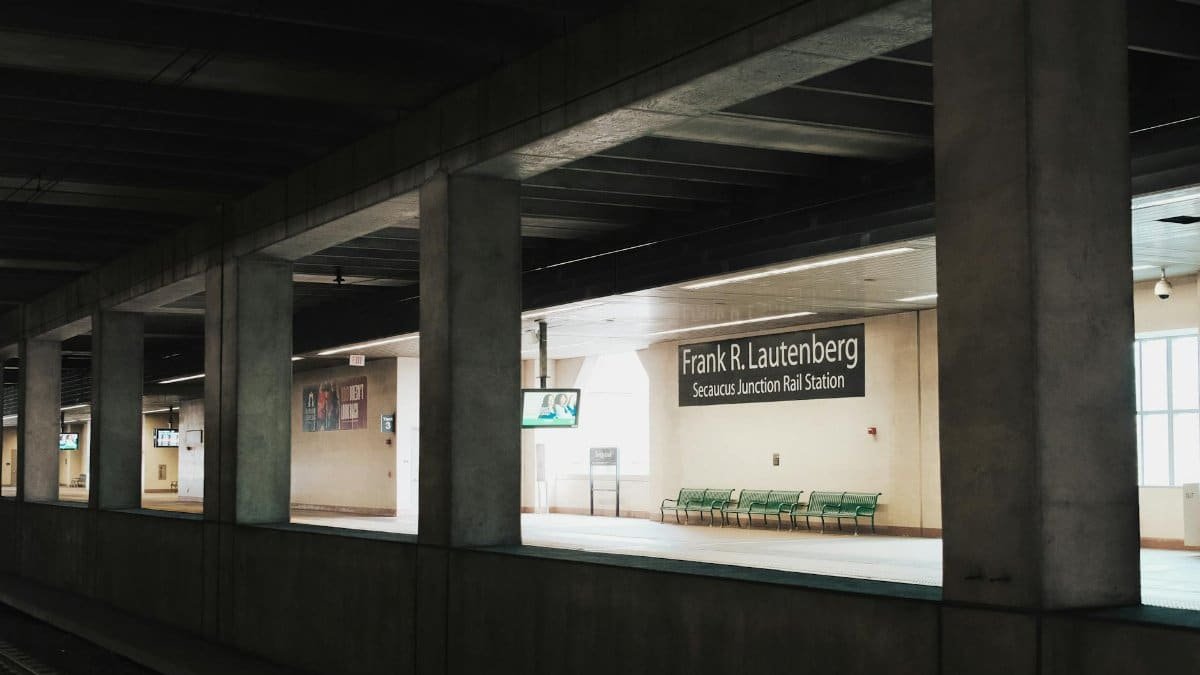
Commuters in New Jersey are bracing for significant disruptions as NJ Transit suspends direct train service to Penn Station starting in March 2026. The new jersey nj transit suspension stems from essential construction on the Portal North Bridge, forcing riders to reroute through Hoboken for a PATH transfer. This change promises longer commutes for thousands of daily travelers who rely on the line for their New York-bound journeys. While the move affects routines across the region, it paves the way for vital infrastructure upgrades. As one publication dubbed it, this could spark “Train-ageddon,” highlighting the chaos ahead through mid-March, according to New Jersey Monthly.
The Portal North Bridge: At the Heart of the Disruption
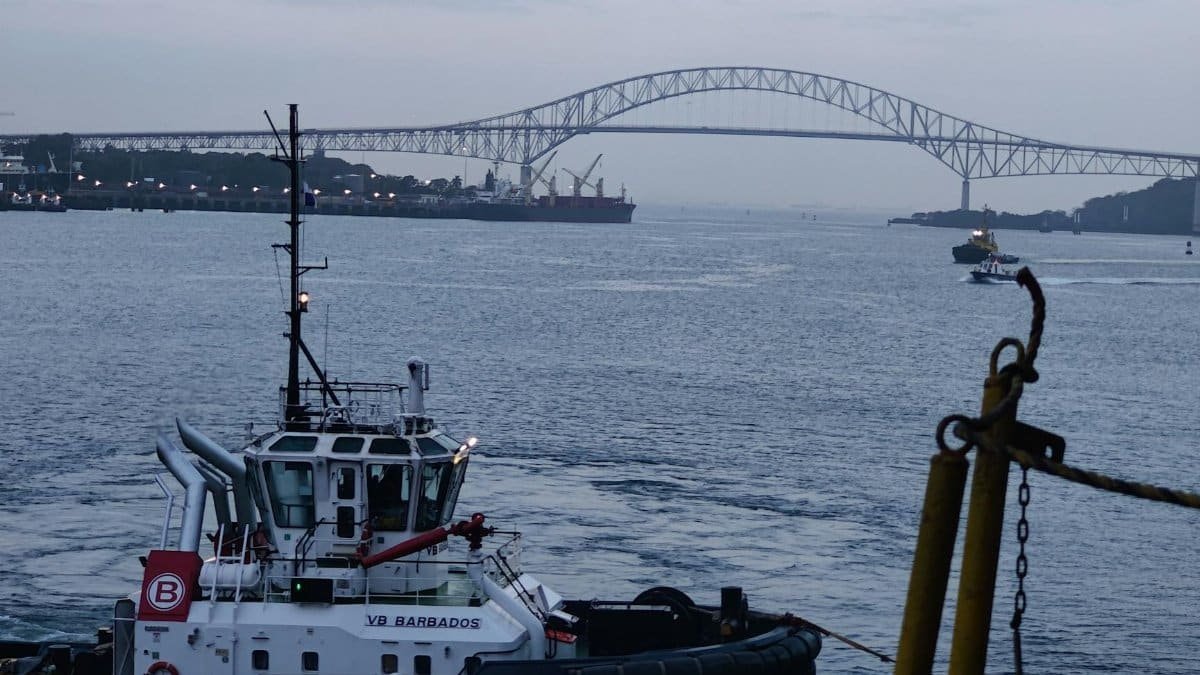
The Portal North Bridge has long been a critical artery for NJ Transit’s rail network, carrying passengers over the Hackensack River into New York City. Construction work on this key structure is the direct trigger for the new jersey nj transit suspension of direct Penn Station service. Scheduled to begin in March 2026, the project necessitates a temporary halt to allow crews to perform upgrades without compromising safety. Riders on affected lines will no longer enjoy the seamless trip they’ve come to expect, instead facing detours that extend their travel time considerably.
Service Changes: No Direct Rides to Penn Station
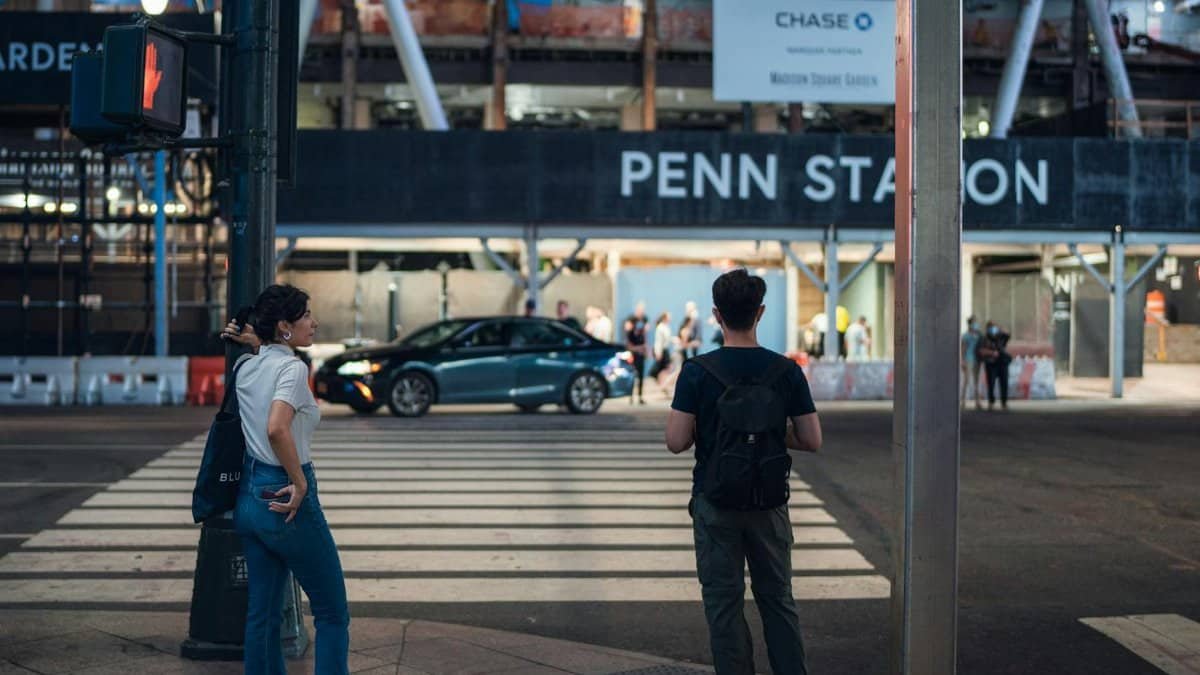
Under the new jersey nj transit suspension, trains that once streamed straight into Penn Station will terminate elsewhere, reshaping morning and evening rushes. NJ Transit has outlined a clear diversion: passengers must head to Hoboken Terminal and connect via PATH trains to reach Manhattan. This shift, effective through mid-March, means no shortcuts for those heading to Midtown. The railroad’s planning aims to minimize broader impacts, but the core service to New York’s busiest station remains paused for the duration of the initial construction phase.
Commuters Face Extended Travel Times

Daily commuters, the backbone of NJ Transit’s ridership, stand to lose the most from this new jersey nj transit suspension. What was once a straightforward 30- to 45-minute ride could balloon into over an hour with the Hoboken layover and PATH leg. Transfers add not just minutes but layers of uncertainty—waiting for connections, navigating crowded platforms, and contending with potential delays on parallel systems. For working professionals, parents shuttling kids, and students, these elongations disrupt carefully calibrated schedules, turning routine trips into ordeals.
Hoboken as the New Hub: Making the Switch
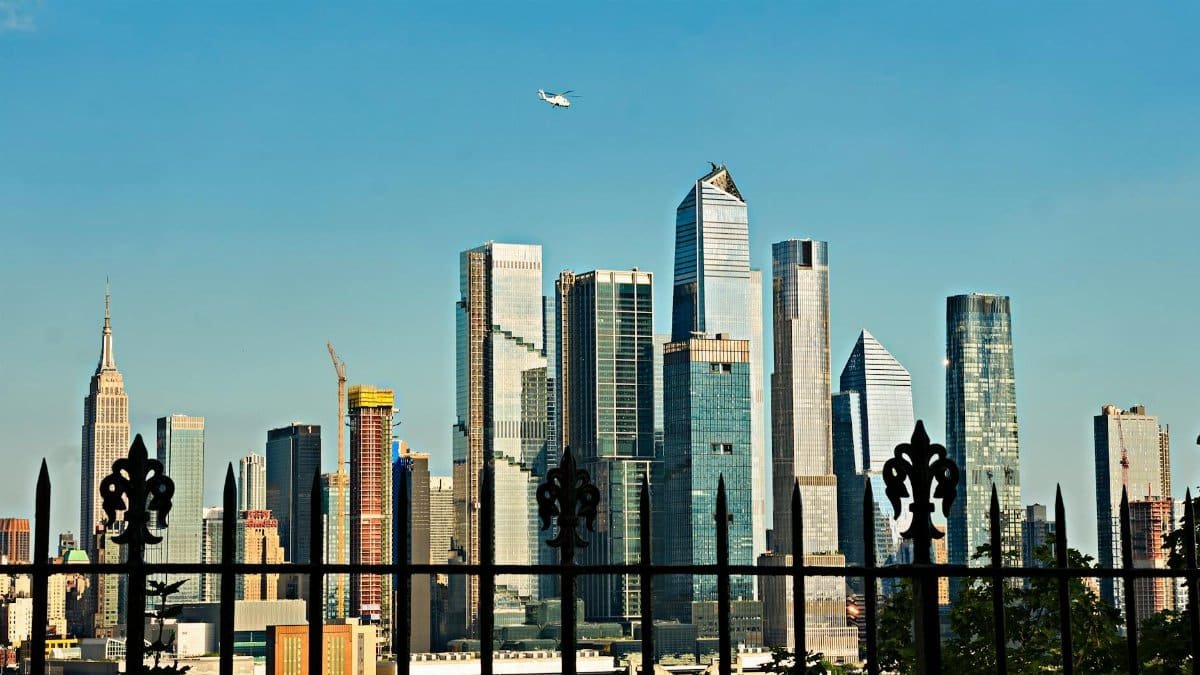
Hoboken Terminal becomes ground zero for rerouted passengers during the suspension. NJ Transit urges riders to familiarize themselves with the PATH schedule, which links Hoboken directly to key Manhattan stops like 33rd Street or World Trade Center—though not Penn Station itself. The diversion preserves some connectivity but at a cost: tighter timelines and the hassle of inter-agency coordination. Frequent service on PATH helps, yet peak-hour squeezes could amplify frustrations, especially as winter weather lingers into early spring.
Daily Life Upended: Community Impacts

The ripple effects of the new jersey nj transit suspension extend deep into New Jersey communities. Towns along the affected lines, home to tens of thousands of commuters, feel the strain acutely. Families adjust drop-off times, remote work becomes a reluctant option for some, and local businesses near stations see ebbed foot traffic. This isn’t just about lost time; it’s a recalibration of how people live, work, and connect across state lines. The suspension underscores rail’s role as a lifeline for suburban economies tied to New York jobs.
“Train-ageddon”: Capturing the Commuter Dread

The term “Train-ageddon” has emerged as a stark encapsulation of rider anxieties, as coined in coverage by New Jersey Monthly. It evokes the apocalyptic gridlock feared during the new jersey nj transit suspension, drawing parallels to past transit meltdowns. Commuters echo this sentiment, voicing concerns over packed alternatives and eroded reliability. While hyperbolic, the phrase resonates, signaling a collective sigh as March approaches and direct service fades from timetables.
A Positive Outlook: Infrastructure Gains Ahead

Beneath the inconvenience lies a compelling upside to the new jersey nj transit suspension. The Portal North Bridge work promises modernized tracks and structures, designed to slash chronic delays that plague the line. Enhanced capacity and reliability will benefit future riders, potentially cutting commute times once complete. Such investments, though disruptive short-term, align with broader efforts to fortify aging Northeast Corridor infrastructure—a move that real-world analyses, like those from the Regional Plan Association, affirm as essential for handling growing passenger volumes sustainably.
Looking Beyond Mid-March: What’s Next?

The suspension runs through mid-March 2026, after which NJ Transit anticipates resuming direct service, albeit possibly with phased returns as construction advances. Commuters are advised to monitor updates closely, as timelines could shift based on progress. In the interim, resilience defines the response: apps for real-time tracking, flexible employers, and sheer adaptation. Ultimately, enduring this phase ensures a sturdier rail future, balancing today’s pains against tomorrow’s smoother journeys.