
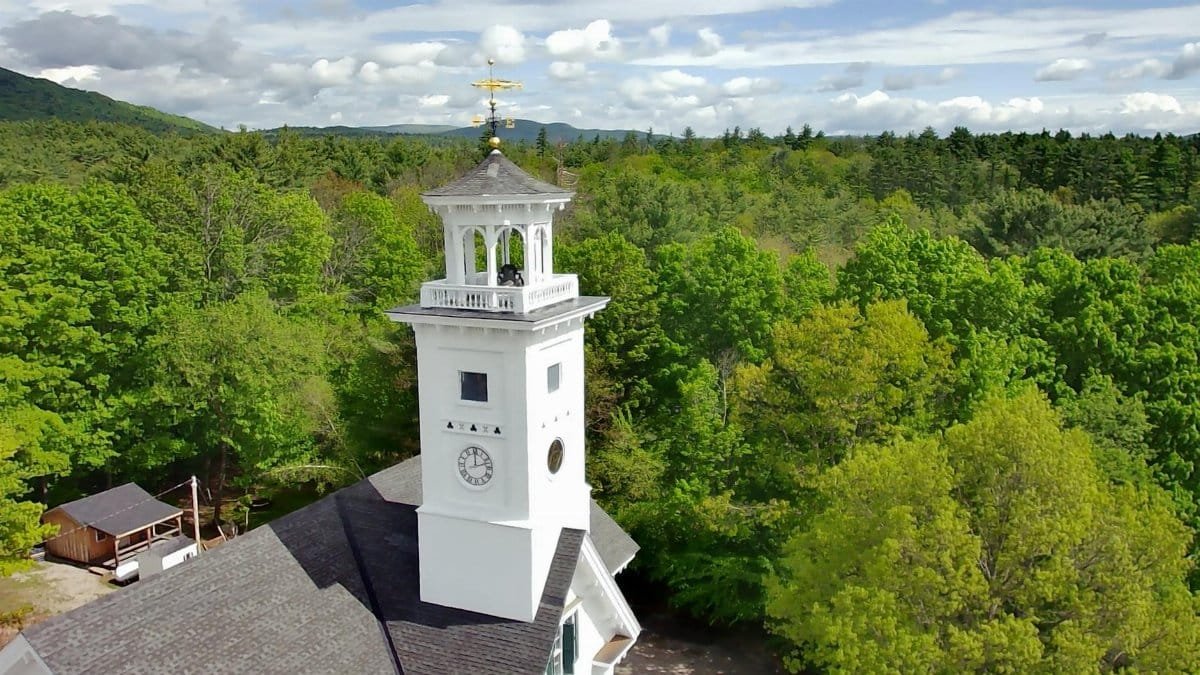
Is New Hampshire’s “Seal of Silence” the ultimate escape from the noise of modern life? This innovative program, recently rolled out by the state, is turning heads as it designates specific tourism sites as havens of tranquility. With the New Hampshire Seal Silence badge, state parks and other locations must prove ambient noise levels stay below 35 decibels—a threshold akin to a whisper. The initiative, aimed at wellness travelers seeking peace, is already sparking buzz, with officials projecting a 12% boost in tourism revenue from this niche market.
The Genesis of the Seal of Silence
New Hampshire’s latest tourism strategy zeroes in on a growing demand for quiet escapes. The “Seal of Silence” certification emerged as a response to wellness travelers who prioritize mental health and relaxation over bustling attractions. By setting a strict noise limit of 35 decibels, the state ensures that certified sites offer an environment where visitors can truly unplug. This move positions New Hampshire as a pioneer in quiet tourism, tapping into a trend that’s gaining traction across the U.S. in 2025.
How Sites Earn the Badge
Securing the New Hampshire Seal Silence certification is no easy feat. Sites must undergo rigorous testing to confirm that ambient noise—whether from traffic, crowds, or natural elements—remains consistently below the 35-decibel mark. This standard, roughly equivalent to the sound of rustling leaves, is measured over extended periods to account for variables like weather or peak visitor times. State parks, in particular, have been the first to achieve this designation, showcasing New Hampshire’s commitment to preserving serene landscapes.
Target Audience: Wellness Travelers
The Seal of Silence initiative specifically targets wellness travelers, a demographic that’s exploded in recent years. These visitors seek destinations that promote mindfulness, stress relief, and a break from urban chaos. New Hampshire’s tourism board recognizes that silence is a rare commodity in today’s world, and they’re banking on this certification to draw in those willing to pay a premium for peace. Early feedback suggests the strategy is working, as interest in quiet retreats surges.
Economic Impact: A Projected Revenue Spike

State officials are optimistic about the financial upside of the New Hampshire Seal Silence program. They forecast a 12% increase in wellness-travel revenue, a significant jump for a state already known for its natural beauty. This boost could translate into millions of dollars for local economies, particularly in rural areas near certified sites. The ripple effect may benefit small businesses, from eco-lodges to guided meditation services, as visitors flock to these designated quiet zones.
Environmental and Cultural Benefits

Beyond economics, the Seal of Silence initiative carries environmental and cultural weight. By prioritizing low-noise areas, New Hampshire is indirectly encouraging the protection of natural habitats where wildlife can thrive without human disruption. Additionally, the program fosters a deeper appreciation for the state’s heritage of tranquility, often tied to its forested landscapes and historic small towns. This dual focus on preservation and tourism could set a precedent for other states to follow.
Challenges in Implementation

Despite the excitement, rolling out the Seal of Silence hasn’t been without hurdles. Maintaining noise levels below 35 decibels requires constant monitoring and, in some cases, restricting visitor numbers or activities. Some local stakeholders worry that these limitations could deter certain tourist demographics who prefer more lively experiences. Balancing the needs of wellness travelers with traditional visitors will be key to the program’s long-term success, and officials are already exploring solutions.
National Context and Future Potential

New Hampshire’s initiative aligns with a broader national push toward wellness tourism, a sector valued at billions annually. According to reports from organizations like the Wellness Tourism Association, demand for quiet, restorative travel experiences is skyrocketing. The state’s Seal of Silence could inspire similar certifications elsewhere, potentially reshaping how destinations market themselves. For broader trends in U.S. tourism, resources like the U.S. Travel Association highlight how niche offerings are driving growth in 2025.
Visitor Expectations and Early Reactions

Early adopters of the Seal of Silence-certified sites are setting high expectations. Wellness travelers anticipate not just quiet, but a holistic experience that includes minimal light pollution, clean air, and opportunities for meditation or yoga. While specific visitor testimonials are yet to emerge, the tourism board reports a surge in inquiries about these locations. Social media chatter around the initiative suggests that New Hampshire might soon become synonymous with silence as a luxury commodity.