
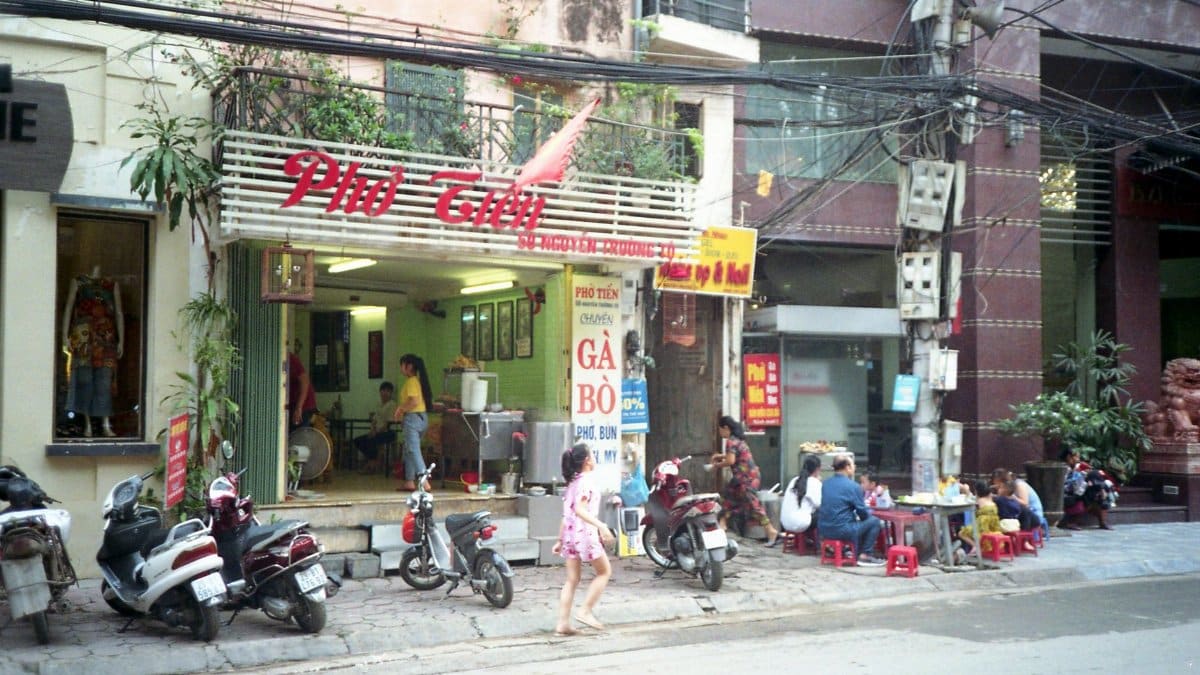
On a cold November evening, the appeal of a small room can be stronger than the promise of a grand dining room. Heat from a busy kitchen, the clink of bowls, and the sense that the person at the next stool might overhear your order all belong to a kind of eating that cities keep rediscovering. That is the wager behind a new Vietnamese restaurant Philly diners can now find on Girard Avenue, a place built to suggest a Hanoi alley more than a formal banquet hall. The opening, dated in local coverage to November 9, 2026, arrives at a moment when Philadelphia already knows pho, bun, and the weekend family table, yet still has room for rooms that feel improvised, close, and slightly loud.
A room scaled to a lane rather than a hall
Streetside, the Girard Avenue restaurant described in Philadelphia Inquirer coverage, is framed less as a temple of technique than as a recreation of alleyway dining. In Hanoi, some of the most memorable meals happen in passages barely wide enough for two people to pass, with low stools, a narrow kitchen, and a cook who can see every face in the room. The point is not costume. It is proportion. When the walls sit close and the service moves in short steps, a bowl stops being a product delivered from a distant pass and becomes part of a shared weather.
Philadelphia has plenty of restaurants that borrow a mood through lighting and a playlist. Fewer try to borrow a spatial idea. An alleyway dining room asks guests to trade privacy for proximity. You may hear the next table negotiate spice. You may watch the same cook plate five orders without disappearing behind a wall. If the design succeeds, that exposure feels like hospitality. If it fails, it feels like a crowd trapped in a corridor. The difference will not be settled by a press note. It will be settled on a Thursday when the room is full and nobody has anywhere to hide.
Girard Avenue and the logic of a small storefront

Girard Avenue is a useful stage for this kind of bet. It is not a single neighborhood so much as a long civic seam, carrying buses, older brick, corner stores, and newer dining rooms that have to earn their keep from people who already live nearby and from people who crossed town on purpose. A restaurant on that avenue cannot rely on a resort fantasy. The sidewalk is too ordinary, in the best sense. Delivery bikes, church traffic, and the evening commute all pass the same glass.
That ordinariness suits street food energy better than a sealed dining palace would. Alley cooking, in the cities that perfected it, grew up beside daily movement. People ate because they were between obligations, not because they had reserved a ceremony. A Girard Avenue storefront can honor that history without pretending Philadelphia is Hanoi. The honest version is local: a room that takes the avenue’s foot traffic seriously, keeps the door in conversation with the sidewalk, and lets the meal feel available rather than staged.
What Hanoi alley dining asks a guest to accept
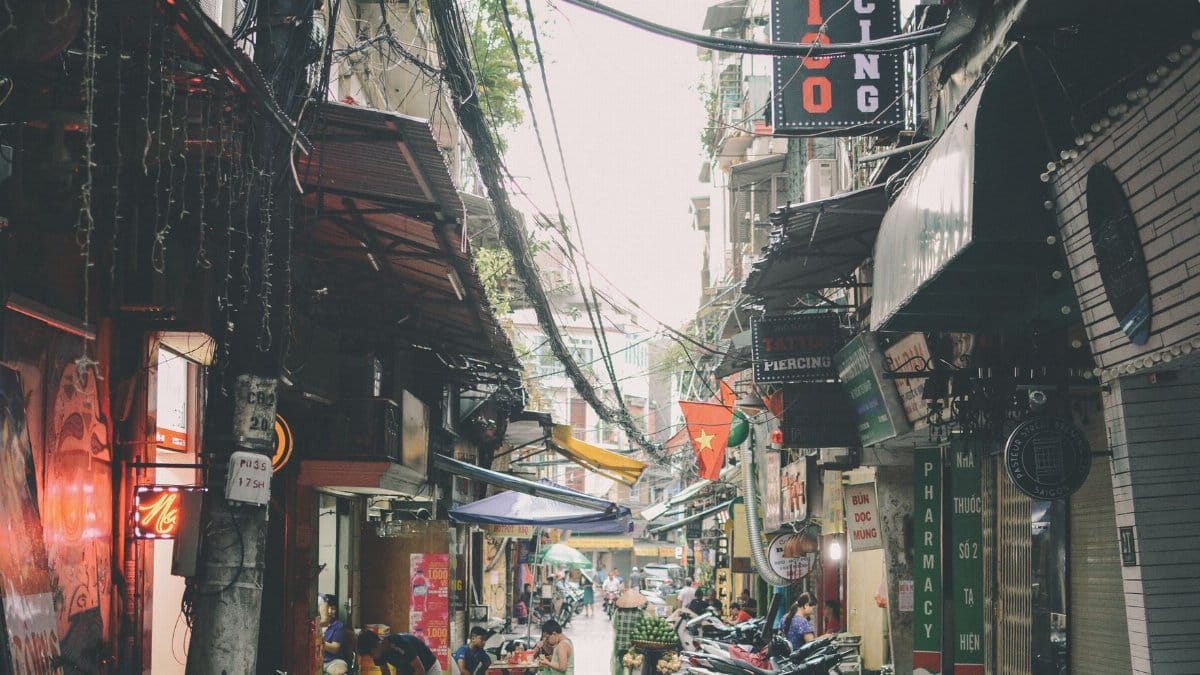
Visitors who have eaten in Hanoi’s hem, the small lanes behind the grand streets, often remember discomfort alongside pleasure. The stool is low. The table wobbles. Smoke finds your coat. Someone squeezes past with a tray. None of that is a flaw in the original setting. It is the price of food made fast, close to the fire, for people who did not come to linger over a leather menu.
A Philadelphia recreation has to decide which parts of that bargain to keep. Comfort standards here are different, and so are expectations about accessibility, ventilation, and how long a party of four will stay. Copying plastic stools for their own sake would be theater. Translating the social fact of the alley is harder and more interesting. That fact is simple: the cook is near, the portions arrive when they are ready, and the room belongs to more than one conversation at a time. Guests who want a hushed anniversary may be in the wrong address. Guests who want to taste a city eating in public may be exactly where the concept hopes they are.
Why not being a BYOB matters in this city

Coverage has been careful to note that this Vietnamese restaurant Philly opening is not a BYOB. In a city where bringing a bottle is almost a civic habit, that distinction is not a footnote. BYOB culture lowered the cost of opening ambitious kitchens and taught a generation of diners to treat wine as something they controlled. It also split the meal in two: food from the house, drink from the shop on the corner, and a corkage ritual that can feel either charming or like homework.
A room that refuses that split is making a claim about pacing. If drinks come from the same pass as the food, the staff can match bitterness, herb, chile, and fat without asking the guest to guess. Herb heavy plates, grilled meats, and sour broths all change depending on what is in the glass. A licensed program, if that is what not being a BYOB means here, also changes labor, insurance, and the hour when the room stays lively. None of those are romantic details. They are the machinery that lets an alleyway fantasy function as a business on Girard Avenue after the first curious weekend.
Philadelphia already has a Vietnamese table
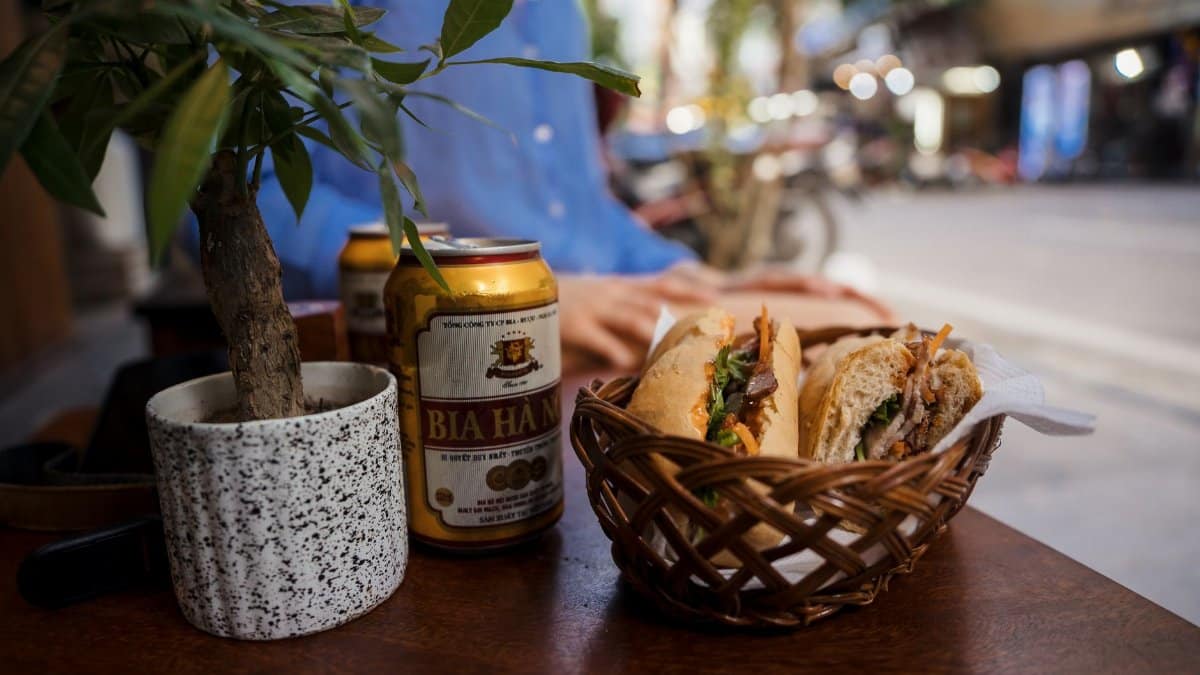
It would be a mistake to greet any new room as if Vietnamese cooking had just arrived. South Philadelphia, Chinatown, and pockets across the region have fed this city for decades with pho, grilled pork, broken rice, and the sweet iced coffee that appears on tables before anyone has finished deciding. Those restaurants built loyalty through repetition. A family knew where to sit, what to order for a child, and which cook would notice if the broth tasted different on a given morning.
A new Vietnamese restaurant Philly coverage is right to treat as news, then, is not news because the cuisine is unfamiliar. It is news because the format is specific. The older rooms often offered abundance, banquet menus, and the comfort of being known. An alley concept offers compression. Both can be excellent. They answer different hungers. Diners who already have a Saturday pho ritual do not need to abandon it. They might simply gain a weeknight option built around closeness, smoke, and a shorter menu that trusts a few dishes to carry the night.
Atmosphere is a kind of recipe

Restaurant writing likes to separate food from vibe, as if one were serious and the other were decoration. Alleyway dining refuses the split. The height of the seat changes how you lean over a bowl. The distance to the grill changes how you smell fat hitting metal. The lack of acoustic padding changes whether you speak in full sentences or in nods. Those are design choices with culinary consequences. A delicate herb salad eaten in a loud, warm room does not taste the same as the identical salad eaten under a spotlight in a quiet hall. Neither setting is false. Each tells the guest how to pay attention.
The risk is that atmosphere becomes a substitute for the bowl. A narrow room can photograph well and still serve broth that tastes tired, herbs that were cut too early, or noodles that sat. Philadelphia diners have become quick to detect that gap. They will grant a new place a few uneven nights. They will not grant it a permanent excuse. If Streetside is to recreate Hanoi alleyway dining rather than merely cite it, the food has to justify the squeeze. Char, acid, fish sauce, and freshness are the real architecture. The stools are only the frame.
The sounds and paces that will decide the room

Early visitors, if they are paying attention, might ignore the origin story and listen. Does the room turn tables with a street stall’s urgency, or does it settle into a two hour Philadelphia dinner once people have coats on the hooks? Are orders fired in a rhythm that keeps the grill hot, or do plates arrive in a polite pile that kills the contrast between crisp and wet? Is there a moment when the staff seems to know the regular who wants extra herb without being asked?
Those questions matter more than any slogan about street food energy. Energy is easy to announce and hard to sustain on a Tuesday in February, when the avenue is quiet and the reservation book has gaps. The alley model depends on a certain density. Without enough people, a small room can feel exposed rather than alive. With too many, service frays and the romance of proximity becomes a line out the door and a wait that the concept never budgeted for. The operators will have to learn the Girard Avenue week the way a Hanoi stall learns its corner: by repetition, not by manifesto.
A neighborhood meal and a quieter kind of attention
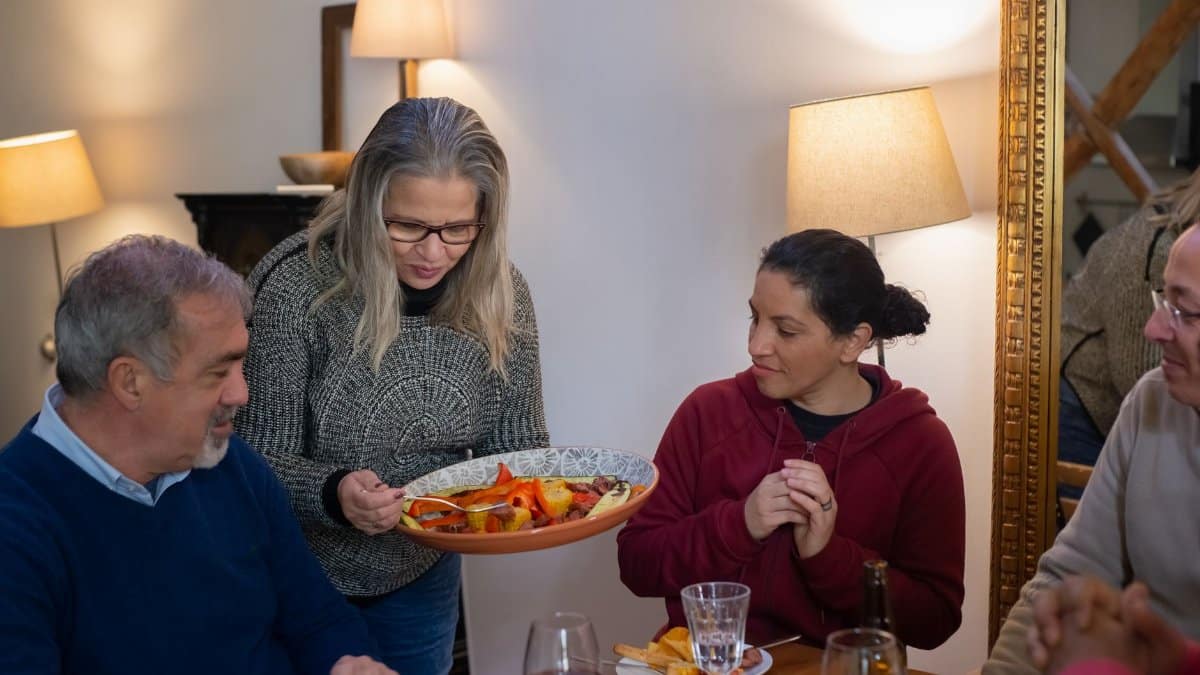
There is a modest spiritual claim hiding inside this trend, and it does not require incense or a sermon. Shared meals are one of the last ordinary rituals in which strangers agree to be near one another without a screen mediating the minute. A narrow dining room intensifies that agreement. You cannot pretend the next person is not there. You season your food in public. You pass a napkin. You leave when the stool is needed.
I have sat in enough Philadelphia dining rooms to know that closeness can feel either generous or careless. The difference is usually whether the staff seems glad you are there. If this Girard Avenue room treats proximity as a gift rather than a gimmick, it will join a wider shift in how people look for meaning in ordinary nights: not in spectacle, but in being fed well, at human scale, by someone who can see their face. That is a small grace. Cities run on such graces more than they admit.
What an opening can and cannot promise

An opening date is a fact. A reputation is not. As of November 9, 2026, what can be said with confidence is limited and still worth saying. A new Girard Avenue restaurant is inviting the city to eat Vietnamese food in a room modeled on Hanoi alleyway life, and it is doing so outside the BYOB pattern that has defined so many ambitious Philadelphia kitchens. That combination is specific enough to matter.
What cannot yet be promised is consistency, or that every guest will want the bargain the concept offers. Some will miss booths and low voices. Some will compare the first bowl, unfairly and inevitably, with the bowl their family has ordered for twenty years. The fair test is simpler. Return on an ordinary night. Notice whether the herbs taste freshly cut, whether the staff can describe a dish without reciting a brand, and whether the room still feels like a lane when nobody is watching. If those answers hold, this Vietnamese restaurant Philly story will be about more than a clever reference. It will be about a storefront that learned how to make closeness taste like care.