
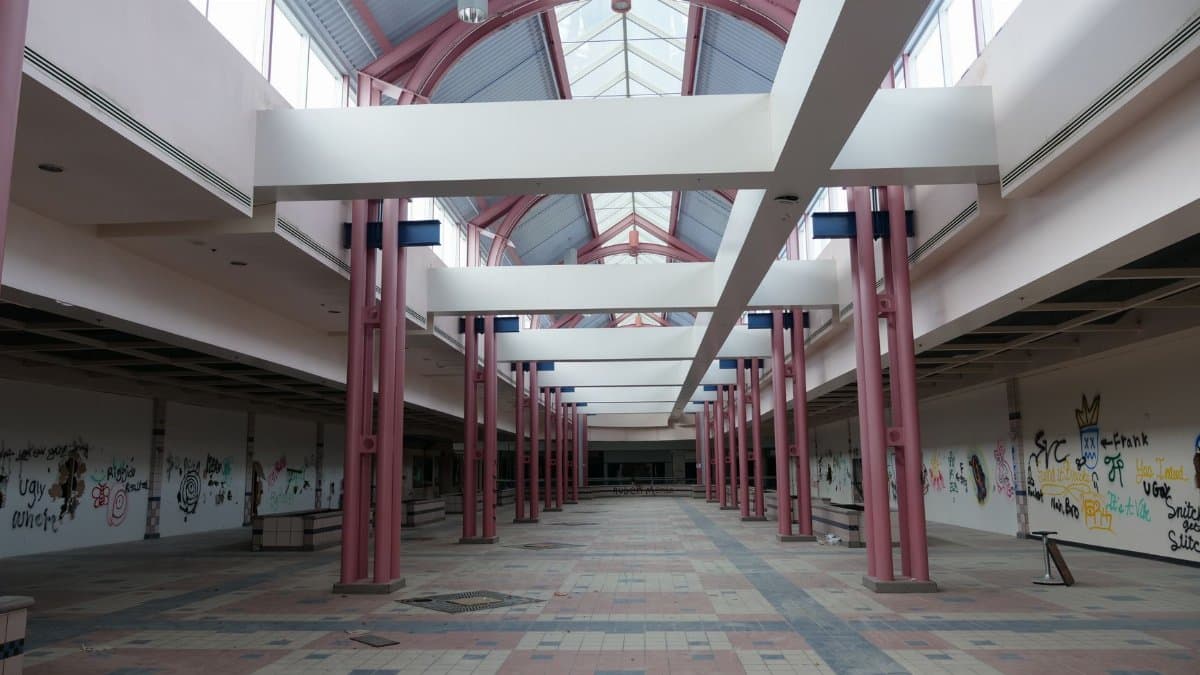
In a once quiet corridor of retail activity at the Annapolis Mall visitors now encounter the lively sounds of young learners settling into fresh classrooms. With support from local volunteers and organizations the Annapolis charter school known as New Village Academy completed its relocation on August 15 2026 turning vacant storefronts into vibrant learning areas that promise new opportunities for families in the region.
Origins of the Academy Initiative

New Village Academy began as a response to growing demand for alternative education options in Anne Arundel County. Families sought environments that emphasize community values alongside core academics. The move into mall space represents a practical solution to space constraints faced by many growing institutions.
Role of Local Volunteers

Community members contributed countless hours to prepare the new facility. Tasks ranged from painting walls to assembling furniture and organizing supplies. Such involvement reflects a broader pattern of civic engagement that strengthens ties between schools and residents.
Adapting Retail Space for Education

Transforming commercial areas into classrooms required creative adjustments. Former store layouts now feature reading nooks and group discussion zones. Natural light from mall windows enhances the atmosphere while shared common areas allow for flexible activities throughout the day.
Impact on Nearby Families

Parents appreciate the convenient location near public transit and shopping amenities. This setup reduces travel time for working households and integrates education into daily routines. Early feedback suggests higher attendance rates and greater parent participation in school events.
Future Plans for Expansion
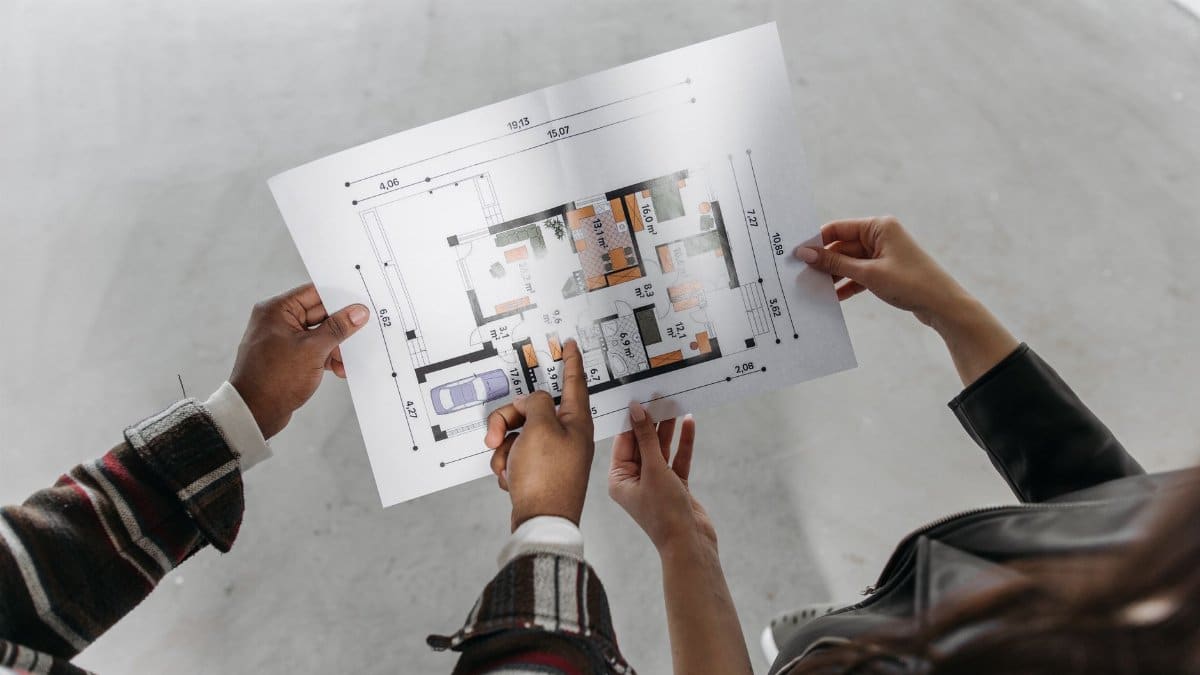
Leaders at the institution aim to add more grade levels in coming years. Partnerships with nearby businesses could provide internship opportunities for older students. These steps align with goals of preparing young people for careers in a changing economy.
Broader Trends in Charter Education

Across the country charter models continue to evolve by utilizing unconventional sites. This approach addresses facility shortages while fostering innovative teaching methods. Observers note that such adaptations often lead to stronger connections with surrounding neighborhoods.
Challenges During the Transition

Staff navigated logistics such as coordinating deliveries and ensuring safety standards during setup. Temporary disruptions tested patience yet the collective effort yielded positive results. Lessons from this process may guide similar projects elsewhere.
Community Reactions and Outlook

Residents express optimism about the presence of the Annapolis charter school in a central spot. Events open to the public help build awareness and goodwill. Over time this development could serve as a model for blending commerce with educational access in urban settings.