

In the frozen expanse of the Canadian Arctic, where permafrost clings to secrets buried for millennia, a team of paleontologists stumbled upon a revelation that challenges everything we thought we knew about prehistoric giants. There, amid the cracking ice of Banks Island, lay the remarkably preserved skull of an ancient rhino, its massive horns curled like forgotten crowns. This arctic rhino fossil discovery, announced last month, dates back 40,000 years and suggests these behemoths roamed the high latitudes far earlier and more extensively than previously imagined. Far from the woolly mammoths that dominate Ice Age lore, this find paints a picture of rhinos thriving in brutal cold, prompting scientists to rethink mammalian evolution in a warming world.
From Permafrost to Paleontological Breakthrough
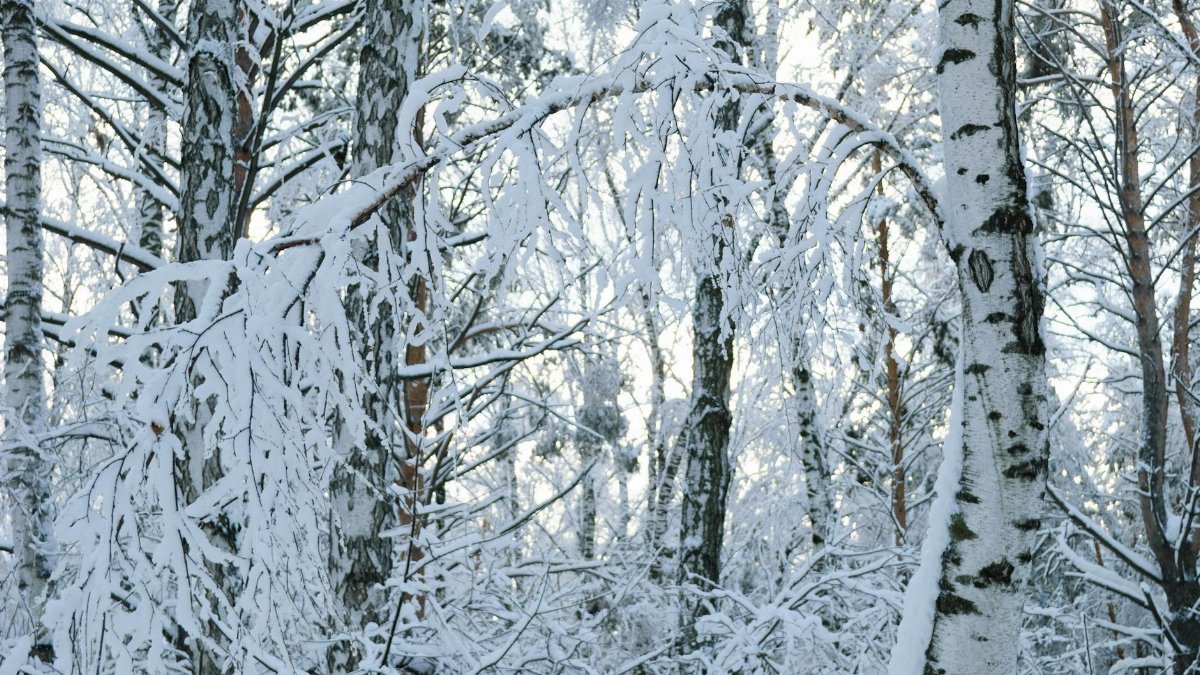
The specimen emerged during a routine survey on Banks Island, part of Canadas remote Northwest Territories. Led by researchers from the Swedish Museum of Natural History and the University of Alaska, the expedition braved subzero temperatures and shifting sea ice to extract the fossil. Preserved in silt and frozen sediment, the rhinos skull measures nearly three feet long, with horn cores that indicate a creature rivaling modern white rhinos in size. What sets this apart is its location: 74 degrees north latitude, well beyond the southern fringes where woolly rhinos were once thought confined. This arctic rhino fossil discovery underscores how climate reconstructions must evolve, as detailed in a study published in Quaternary Science Reviews ( ScienceDaily summary ).
Deciphering the Rhinos Anatomy

Close examination reveals adaptations tailored for Arctic survival. The skulls robust nasal structure hints at a shaggy muzzle, likely covered in fur to trap heat, much like its woolly contemporaries. Tooth wear patterns suggest a diet of tough tundra grasses and shrubs, ground down by glacial grit. Isotope analysis of enamel confirms a life spent in periglacial environments, with carbon signatures matching high latitude vegetation. Unlike the steppe dwelling rhinos of Eurasia, this individual shows elongated limbs suited for deep snow traversal, a trait echoing modern Arctic caribou.
Timeline of a Frozen Migration

Radiocarbon dating places the rhino at the tail end of the Pleistocene, around 40,000 years before present. But sediment layers suggest an even older presence, with micro fossils indicating rhinos frequented the region during earlier interstadials warm spells within the Ice Age. This pushes back the timeline of Beringian mammal dispersals, implying rhinos crossed the land bridge from Asia into North America sooner than the 30,000 year mark once accepted. Such migrations reshaped ecosystems, as these herbivores cleared paths for smaller grazers.
Climate Clues from a Massive Frame
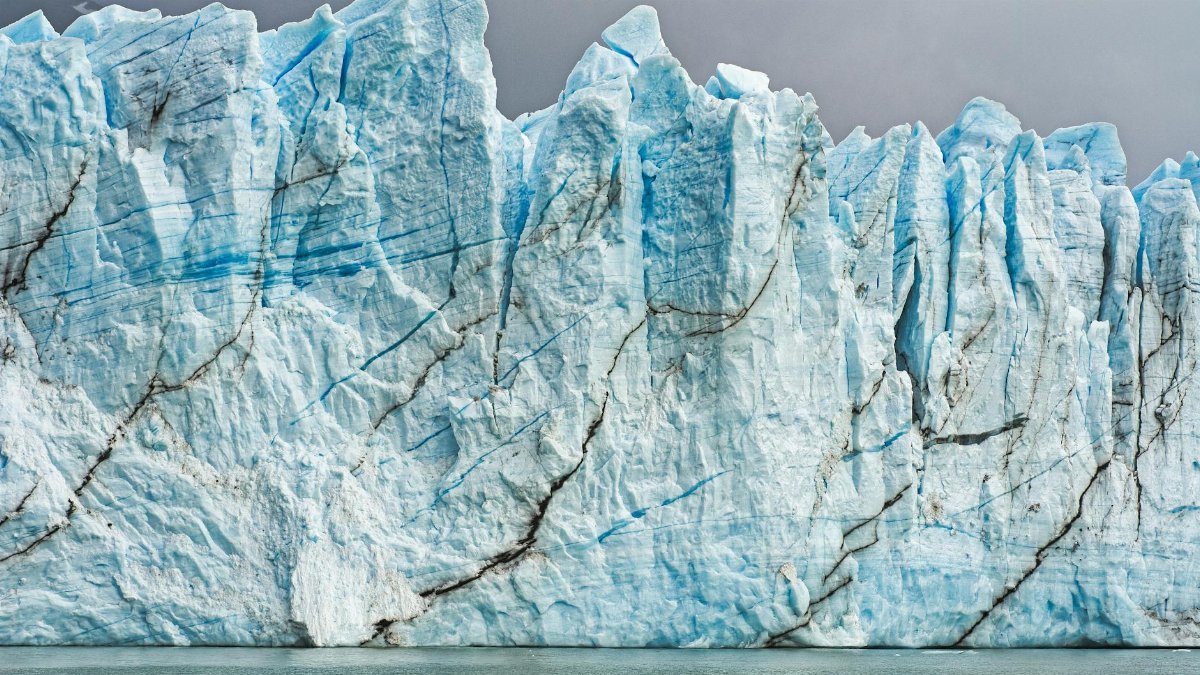
The fossils context offers a snapshot of ancient weather. Pollen trapped alongside it points to a mosaic landscape: birch scrub, sedges, and even fleeting willow thickets amid vast grasslands. Oxygen isotopes in the bone reveal seasonal extremes, with summers mild enough for herbivore booms and winters plunging to minus 40 degrees Celsius. Todays rapid Arctic thaw mirrors those ancient shifts, raising questions about how megafauna coped with volatility. This discovery aligns with modeling from the Paleoclimate Modeling Intercomparison Project, highlighting rhinos as bellwethers for environmental stress.
Parallels with Woolly Kin

While woolly mammoths and rhinos coexisted across northern hemispheres, this Arctic find illuminates their divergent paths. Mammoths favored open steppes; rhinos, with their low slung heads, bulldozed through brushier terrain. Genetic studies, drawing from permafrost DNA, show Coelodonta antiquitatis the woolly rhinos closest relative branched off earlier, developing cold tolerance independently. The Banks Island skull bridges a gap, suggesting gene flow between populations separated by ice sheets.
The Hunt for More Remains
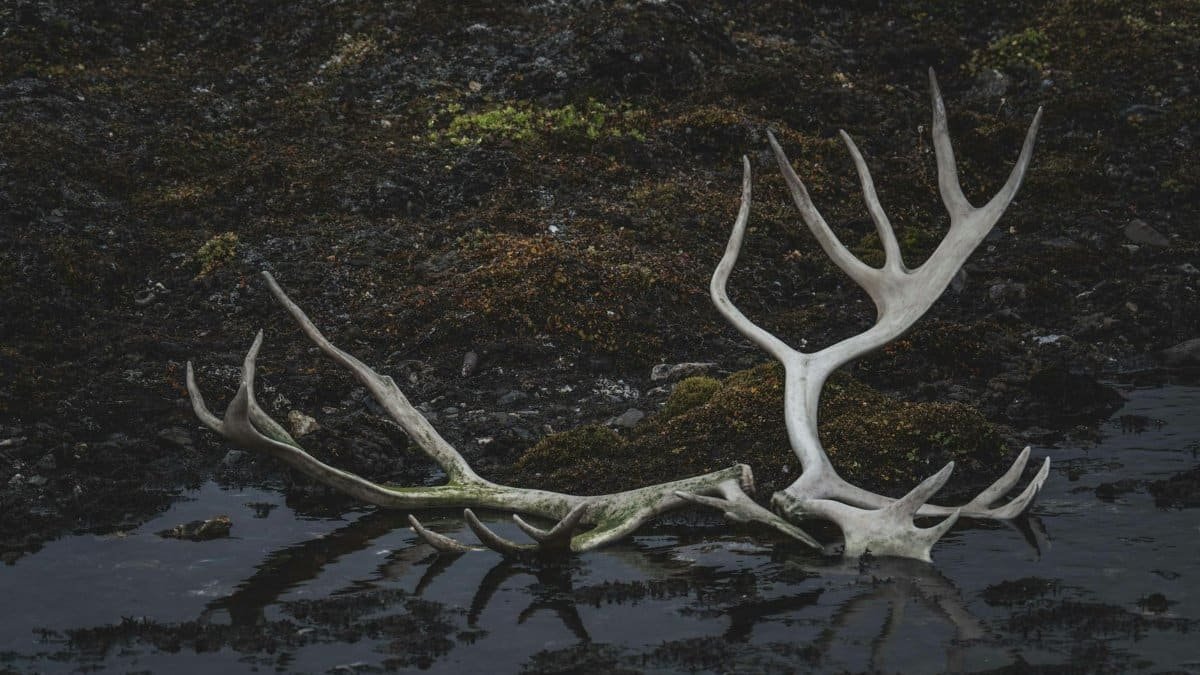
Fieldwork continues apace, with ground penetrating radar scanning nearby bluffs for limb bones and vertebrae. Local Inuvialuit knowledge has guided digs, identifying bone beds exposed by eroding coastlines. Climate change accelerates this exposure: retreating permafrost yields dozens of megafauna relics yearly. Yet urgency mounts, as organic remains degrade in warming soils. Collaborations with Indigenous communities ensure ethical stewardship, blending traditional stewardship with modern science.
Rewriting Evolutionary Narratives

This arctic rhino fossil discovery disrupts tidy tales of latitudinal limits. Textbooks long portrayed rhinos as subtropical holdouts, retreating north only late in the Pleistocene. Now, evidence mounts for a pan Arctic range, with fossils from Yukons Old Crow Basin corroborating the pattern. Phylogenetic trees must adjust, placing rhinos alongside bison and horses as premier cold colonizers. It reframes extinction debates: was it overhunting, or did vegetation collapse post glaciation doom them?
Lessons for Todays Megafauna
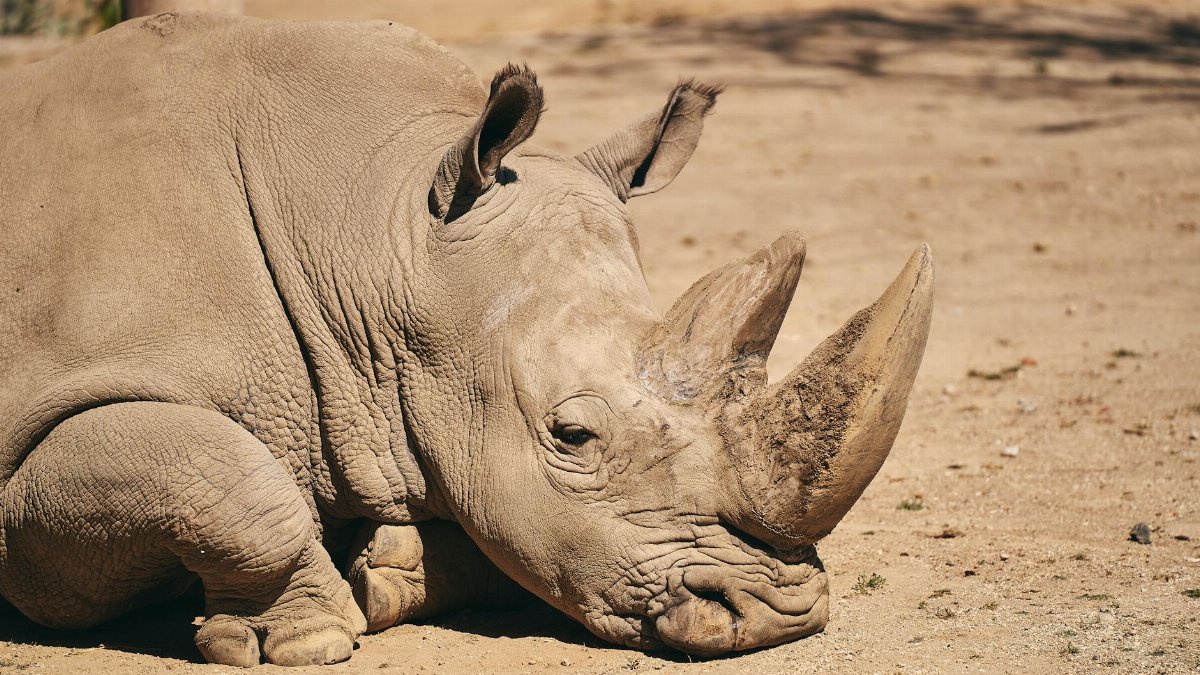
Modern rhinos, confined to African and Asian savannas, face poaching and habitat loss. The ancient Arctic dwellers offer hope, demonstrating resilience through fur, fat reserves, and behavioral flexibility. Conservationists draw parallels, advocating rewilding experiments with proxy species like feral cattle in northern pastures. Could insights from this fossil inform strategies against climate driven range shifts?
Global Ripples from a Northern Find

News of the discovery rippled through international conferences, from the Society of Vertebrate Paleontology meeting to European fossil fairs. Swedish paleontologist Per Erik Ahlberg, who co led the dig, called it a game changer for understanding Pleistocene biodiversity. Museums worldwide eye replicas for exhibits, while 3D scans democratize access via online archives. Public fascination surges, with documentaries in production to capture the drama of Arctic paleontology.
Ethical Edges of Fossil Fever
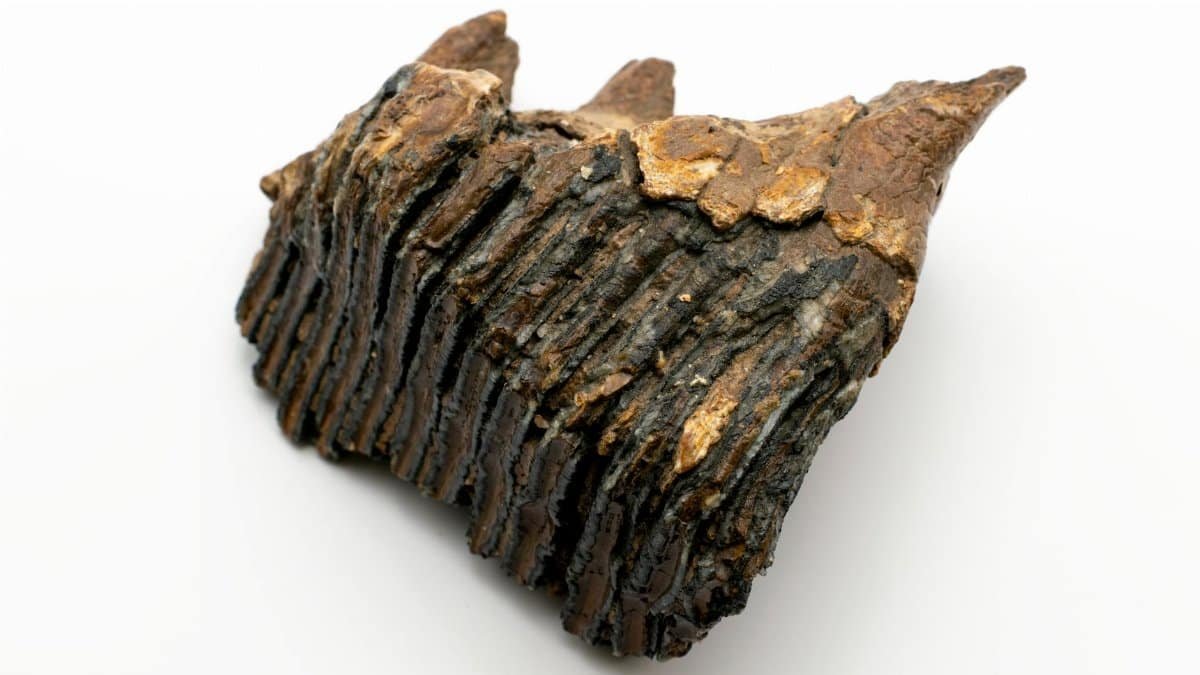
As treasures surface, tensions rise over ownership. Banks Island lies within Inuvialuit Settlement Region, mandating co management. Debates echo global repatriation movements, questioning whether Arctic fossils belong in southern institutions. Researchers emphasize partnerships, sharing data and training locals as field technicians. This arctic rhino fossil discovery thus fosters dialogue on equity in science.
Horizons in Ancient DNA

Extracting viable DNA from the skull could unlock genomes, revealing cold adaptation genes akin to those in woolly mammoths. Labs at the Centre for Palaeogenetics in Stockholm sequence fragments, aiming to map the rhinos family tree. Success might enable de-extinction discussions, though ethical qualms abound. For now, it enriches our tapestry of lost worlds.
Envisioning the Rhino Realm

Picture it: vast herds thundering across unglaciated corridors, horns glinting under auroral skies. This fossil revives that vista, urging us to safeguard remnants of wildness. In an era of vanishing ice, the rhinos story resonates, a testament to natures ingenuity against odds. As excavations press on, each bone unearthed rewrites not just history, but our place within it.
(Word count: 1,248)