
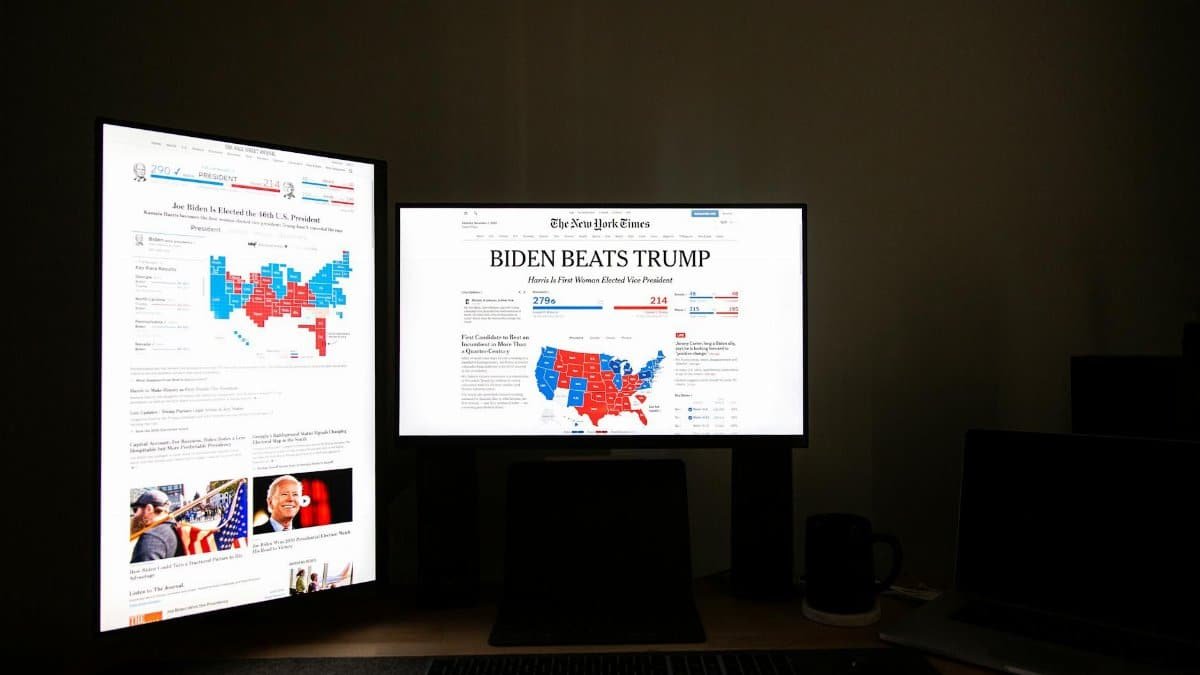
In a bold stand against potential federal interference, Nevada Secretary of State Cisco Aguilar has vowed to launch a nevada election lawsuit if a controversial drafted executive order reshaping voting procedures becomes law. Announced in March 2026, the move signals deepening tensions over election administration as the state prepares to defend its established systems. The proposed order would impose sweeping restrictions on mail-in ballots and require stringent voter ID measures, prompting Aguilar to decry it as blatant federal overreach. “We will defend our voting systems,” Aguilar declared, according to a report from the Las Vegas Sun. With legal action now on the horizon, Nevada is positioning itself at the forefront of a brewing clash between state autonomy and national mandates.
The Heart of the Controversy: A Drafted Executive Order

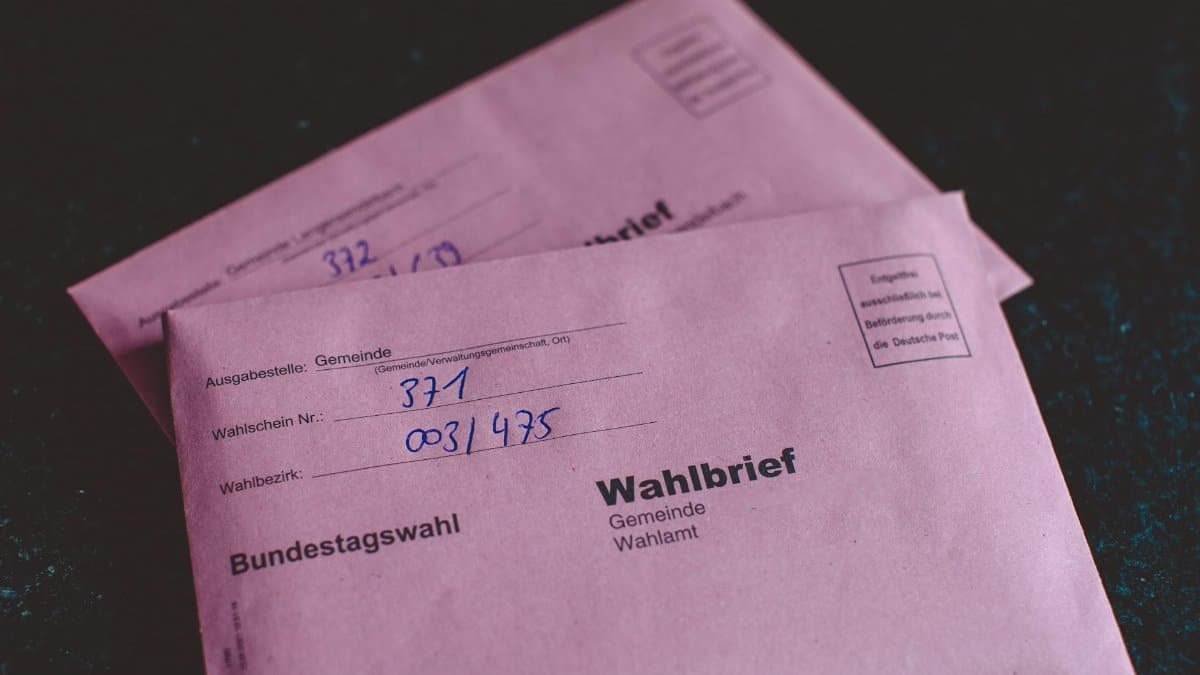
At the center of this brewing conflict lies a federal executive order still in draft form, poised to fundamentally alter how elections are conducted across the country. If signed, it would curtail the use of mail-in ballots—a method that has become a cornerstone of accessible voting in states like Nevada, especially amid logistical challenges in vast rural areas. Coupled with this, the order demands rigorous voter ID requirements, aiming to standardize verification but raising alarms about barriers to participation.
Nevada officials view these changes not as enhancements but as impositions that disregard the nuances of state-specific election laws. Aguilar’s announcement underscores a proactive stance, making clear that Nevada won’t wait for the ink to dry before mobilizing. This nevada election lawsuit threat emerges from a long-simmering debate over the balance of power in electoral matters, where states have historically held significant leeway.
Aguilar’s Unyielding Condemnation

Cisco Aguilar, Nevada’s top elections official, didn’t mince words in labeling the proposed order as federal overreach. His March 2026 statement frames the executive action as an unconstitutional intrusion into state affairs, echoing concerns that have persisted in election policy circles. By drawing a line in the sand early, Aguilar positions Nevada as a guardian of decentralized democracy, where local leaders tailor voting processes to their communities’ needs.
This rhetoric isn’t mere posturing; it’s a calculated signal to both federal authorities and Nevada residents that the state is ready to fight. As reported by the Las Vegas Sun, Aguilar’s position reflects a broader ethos among state secretaries who prioritize election integrity on their own terms, free from top-down dictates.
Defending Nevada’s State Rights
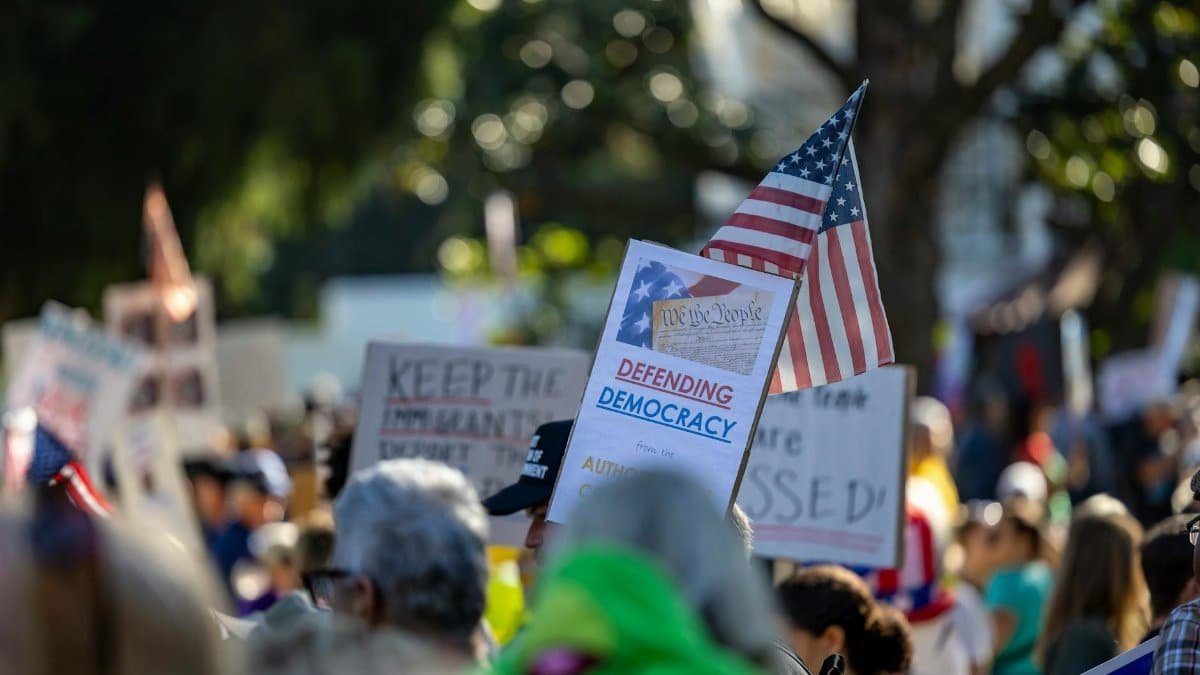
One of the most compelling aspects of Aguilar’s response is its staunch defense of state rights—a principle enshrined in the U.S. Constitution’s allocation of election powers to the states. Nevada, with its diverse electorate spanning urban Las Vegas to remote rural counties, has fine-tuned its procedures over years of practice. The potential nevada election lawsuit would champion this autonomy, arguing that federal mandates undermine the flexibility states need to ensure fair and efficient voting.
This stance resonates deeply in a political landscape where states increasingly assert their sovereignty against national policies. By pursuing legal action, Nevada could set a precedent, bolstering other states wary of similar encroachments and reinforcing the federalist framework that has defined American elections.
Protecting Nevada’s Voting Systems
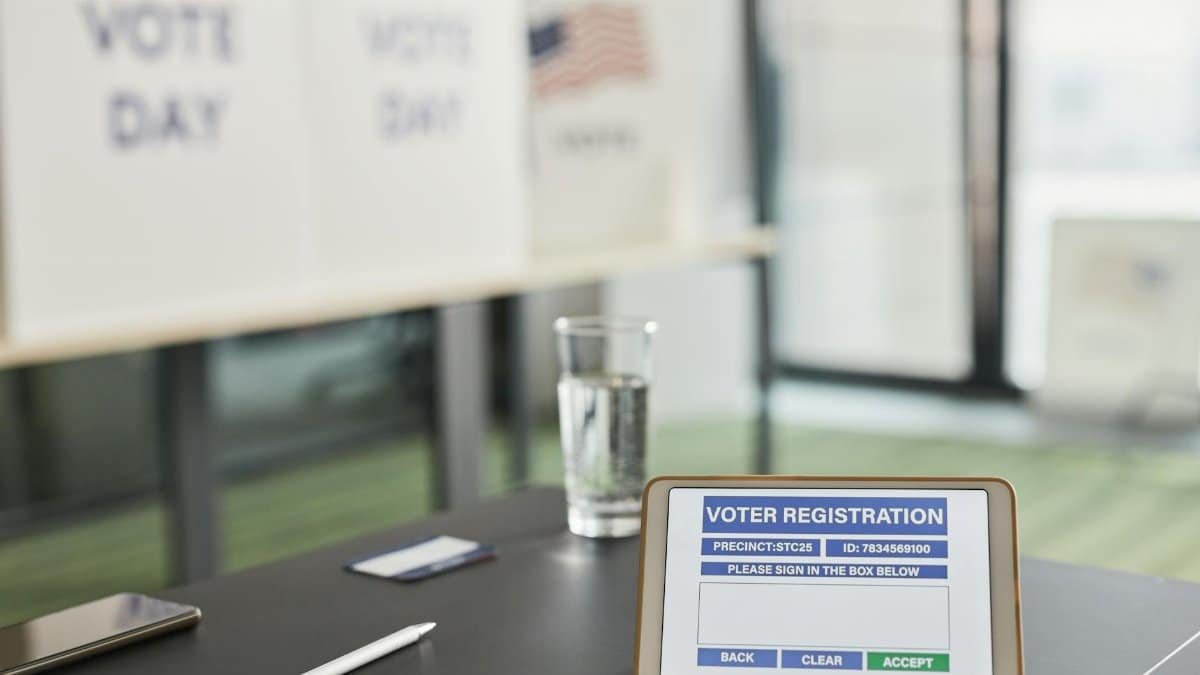
Aguilar’s pledge centers on safeguarding Nevada’s voting systems, which have evolved to balance security with accessibility. Mail-in ballots, for instance, have proven vital in maintaining high turnout without compromising results, as evidenced by Nevada’s track record in recent cycles. Strict voter ID mandates, while touted for fraud prevention, could complicate this without addressing core vulnerabilities already mitigated by state protocols.
The secretary’s vow—”We will defend our voting systems”—captures the essence of this commitment, as noted in the Las Vegas Sun coverage. It’s a promise not just to legal teams but to everyday Nevadans who rely on these systems to exercise their franchise seamlessly.
Community Impacts at Stake

The ripple effects of this federal push extend straight to Nevada communities, where voting access shapes civic life. Restrictions on mail-in options could disproportionately affect working families, seniors, and those in sprawling districts far from polling sites—groups that Nevada’s current framework accommodates effectively. Aguilar’s initiative to protect these systems highlights a community-first approach, ensuring that election changes don’t erode participation rates.
In a state as demographically varied as Nevada, maintaining robust voting infrastructure fosters trust and engagement. The nevada election lawsuit, if it proceeds, would aim to preserve this stability, shielding residents from disruptions that could alienate voters and undermine turnout.
Navigating the Legal Path Forward
With legal action pending, Nevada is gearing up for what could be a landmark courtroom battle. Aguilar’s office has signaled readiness to challenge the order on grounds of overreach, likely invoking precedents that affirm states’ primacy in election administration. This isn’t uncharted territory; similar disputes have tested the boundaries of federal authority in the past, often tilting toward state discretion.
The timeline hinges on whether the executive order is signed, but Nevada’s preemptive posture gives it a strategic edge. Court filings could come swiftly, drawing national attention to the nevada election lawsuit as a test case for executive power in electoral reform.
Why Nevada’s Stand Matters Nationally

Nevada’s proactive threat of litigation carries weight beyond its borders, spotlighting the fragility of election procedures in a polarized era. By condemning the order and vowing defense, Aguilar elevates a state-level concern to a national dialogue on governance. Positive outcomes from such a nevada election lawsuit could affirm states’ roles as innovators in voting access, countering one-size-fits-all federal approaches.
For communities nationwide, this serves as a reminder of the stakes: systems that work locally often outperform rigid national blueprints. As Aguilar’s words echo, defending voting integrity isn’t partisan—it’s foundational to democracy.
A Call to Vigilance in Election Integrity
Ultimately, Aguilar’s announcement in March 2026 is a clarion call for vigilance. It underscores Nevada’s commitment to its voting systems amid threats of change, blending legal resolve with a defense of community needs. Whether the executive order advances or stalls, the state’s readiness to sue ensures that any alterations face rigorous scrutiny.
As the Las Vegas Sun reported, this moment crystallizes the tension between innovation and tradition in elections. Nevada’s path forward promises not just a lawsuit, but a robust affirmation of state-led protections that keep democracy accessible and secure for all.