

Flames roared into the dawn sky over Florida’s Kennedy Space Center on March 31, 2026, as NASA’s Space Launch System rocket thundered upward, carrying four astronauts toward the Moon. The ground shook for miles, spectators wept, and mission control erupted in cheers. This was the Artemis II launch 2026, the first crewed mission to deep space since Apollo 17 in 1972. After years of delays, triumphs over technical hurdles, and a world watching via live streams, humanity reclaimed its place among the stars. The crew’s ten day journey would loop around the lunar far side, testing systems for future landings and rekindling dreams of lunar outposts. In an age of earthly divisions, this launch united billions in awe, reminding us of our shared cosmic destiny.
The Path to Liftoff

The road to the Artemis II launch 2026 was paved with perseverance. NASA faced cryogenic fuel leaks, heat shield inspections, and software glitches that pushed the date from 2024. Engineers at the Kennedy Space Center worked around the clock, integrating the Orion capsule with the massive SLS core stage. By early 2026, final rehearsals confirmed readiness. Launch director Charlie Blackwell Thompson gave the go ahead after a flawless countdown simulation. This mission built on uncrewed Artemis I’s success in 2022, which looped the Moon and splashed down intact, proving the hardware’s reliability. Now, with humans aboard, the stakes soared.
Meet the Trailblazing Crew

Commander Reid Wiseman, a Navy test pilot with over 250 days in space, leads the team. He flew on Expedition 41 to the International Space Station, where he conducted daring spacewalks. Beside him, pilot Victor Glover, the first Black astronaut tapped for deep space since 1972, brings infectious optimism and robotics expertise from his ISS stint. Mission specialists Christina Koch and Jeremy Hansen round out the quartet. Koch holds the women’s single mission spaceflight record at 328 days aboard the ISS, while Canadian Hansen becomes the first non American on a lunar trajectory. Their diverse backgrounds embody NASA’s inclusive vision, trained rigorously at the Johnson Space Center in Houston.
Engineering Feats of the SLS and Orion

The SLS rocket, tallest ever at 322 feet, generated 8.8 million pounds of thrust, more powerful than the Saturn V. Its core stage, fueled by liquid hydrogen and oxygen, burned for eight minutes to reach orbit. Orion, the gumdrop shaped capsule, features a European service module from Airbus, providing solar power and propulsion. Advanced avionics handled autonomous docking simulations, while the crew module’s ablative heat shield withstood reentry speeds of 25,000 miles per hour. These innovations, detailed in NASA’s technical reports, ensure safety during the fiery Pacific splashdown.
Tracing the Lunar Trajectory

Artemis II’s path is a free return trajectory, slingshotting around the Moon without landing. After Earth orbit insertion, Orion fired engines for a translunar injection burn, coasting three days to lunar distance. The crew will fly 60 miles above the surface, capturing images of the far side unseen by human eyes in real time. A second burn sends them homeward, enduring four days of coasting before atmospheric entry. Live broadcasts from space will beam high definition views, including Earthrise over the lunar horizon, echoing Apollo 8’s iconic shot 58 years prior.
Overcoming Launch Delays and Setbacks

Delays plagued Artemis II until 2026. A hydrogen leak during a 2023 wet dress rehearsal grounded the stack for months. Battery issues in Orion’s life support and radiation shelter reinforcements followed. NASA Administrator Bill Nelson called it “the most complex spacecraft ever built.” Congress approved extra funding, and partnerships with Boeing and Lockheed Martin accelerated fixes. The artemis ii launch 2026 succeeded because of relentless testing, including vibration tables mimicking ascent and vacuum chambers simulating space. Public frustration turned to elation as the rocket cleared the tower flawlessly.
Scientific Payloads and Experiments
Beyond piloting, the crew deploys payloads probing space weather and biology. Six CubeSats, released en route, study lunar ice deposits and solar particles. Koch will conduct protein crystal growth experiments, advancing drug development in microgravity. Glover tests new spacesuit mobility for future moonwalks. Instruments monitor cosmic rays, crucial for Mars missions. Data from these, shared via NASA’s open science platform, will inform Artemis III’s landing. The mission’s radiation exposure readings will guide crew health protocols for deep space travel.
Gateway to Lunar Bases and Mars

Artemis II paves the way for Artemis III, slated for 2027, aiming to land the first woman and person of color on the Moon. Success validates systems for the Lunar Gateway station, orbiting in the moon’s south pole region for sustained presence. Long term, it feeds NASA’s Artemis to Mars architecture, targeting human missions in the 2030s. Private firms like SpaceX and Blue Origin contribute Starship landers and habitats, fostering a commercial lunar economy. The artemis ii launch 2026 proves international collaboration works, with ESA, JAXA, CSA, and UAE partners invested.
Global Cheers and Cultural Impact

From Tokyo to Times Square, screens lit up with the liftoff. President Biden hailed it as “America leading humanity forward.” Schools worldwide paused for viewing parties, inspiring the next STEM generation. Social media buzzed with #ArtemisII trends, memes blending sci fi with reality. In a polarized era, the mission transcended borders, evoking universal wonder. Museums prepared artifacts like crew patches, while artists depicted the voyage in murals. This launch reignited public passion for space, boosting NASA’s approval ratings.
The Spiritual Pull of the Moon
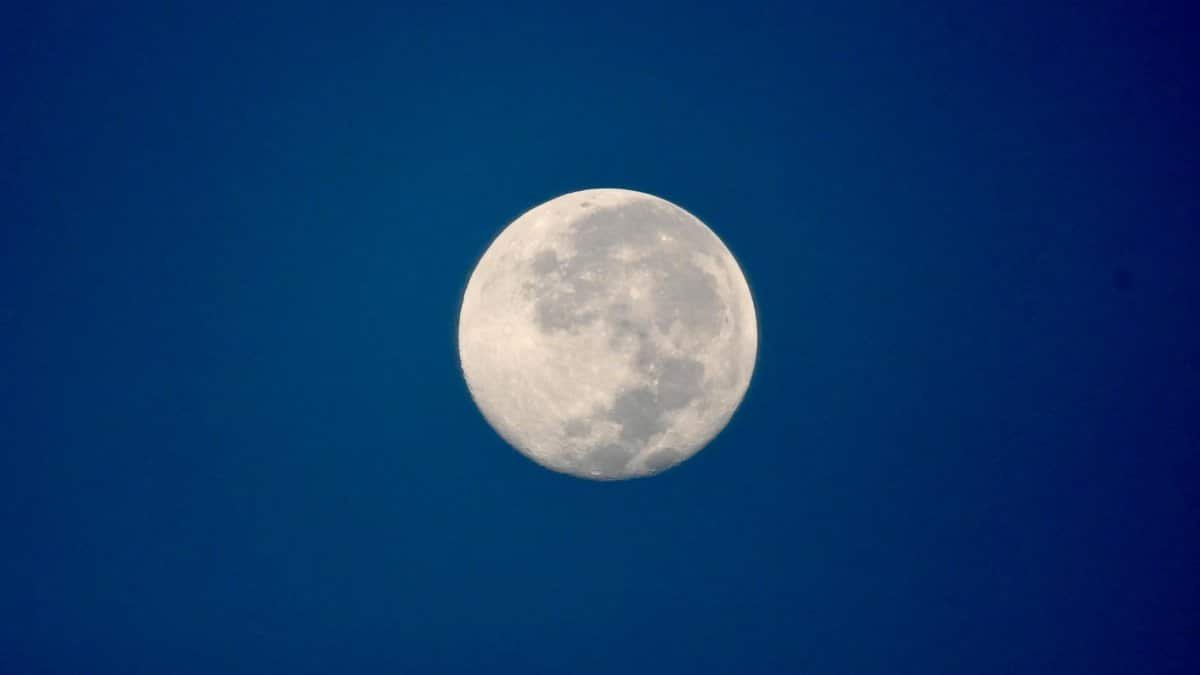
In the Spiritual News and Trends lens, Artemis II taps ancient lunar reverence. From Native American sky watchers to Hindu moon gods, humanity has long seen the Moon as a soul mirror. Astronauts often describe space as profoundly spiritual, a vantage revealing Earth’s fragility. Hansen, reflecting pre launch, spoke of “gazing back at our blue marble, feeling connected to all life.” The far side flyby evokes mystery, the Moon’s hidden face symbolizing the unknown divine. For middle aged viewers, it stirs midlife reflections on legacy and exploration’s eternal human drive.
Lessons from Apollo Echoed Today

Apollo’s urgency stemmed from Cold War rivalry; Artemis flows from climate realities and resource needs. Lunar water ice could fuel rockets, enabling sustainability. Yet echoes persist: innovation under pressure, global prestige, technological leaps. Apollo 8’s Christmas Eve reading from Genesis moved millions; Artemis II promises similar moments of unity. Post mission debriefs will refine procedures, much as Apollo iterated to the 1969 landing. The 2026 launch cements NASA’s resurgence after shuttle retirement.
Future Horizons Beyond the Moon
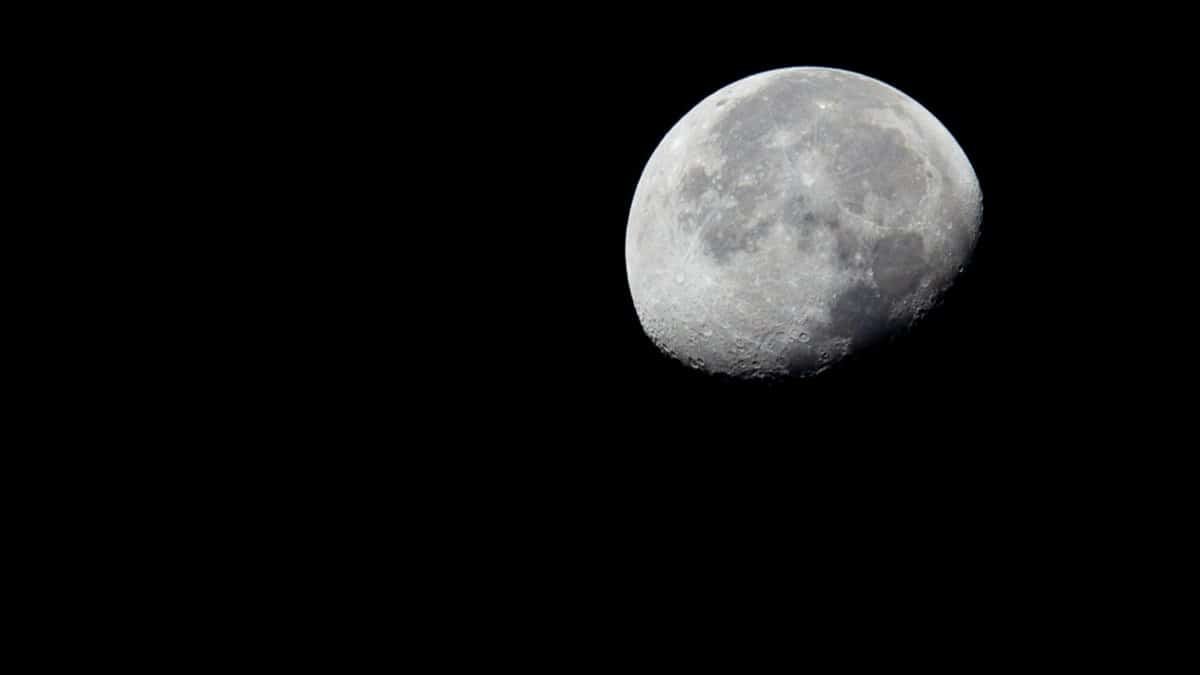
With Artemis II orbiting the Moon unscathed, eyes turn to Mars. Crew feedback on Orion’s life support will shape deep space habitats. Private ventures accelerate: Intuitive Machines landed Odysseus on the Moon earlier in 2026, scouting sites. NASA’s budget, buoyed by success, eyes expanded programs. For everyday Americans, the artemis ii launch 2026 was more than spectacle; it was proof that bold visions endure. As Orion splashes down, humanity stands poised for the stars, our spirits lifted by this giant leap renewed.
For more details, see U.S. News coverage and NASA’s live updates.