
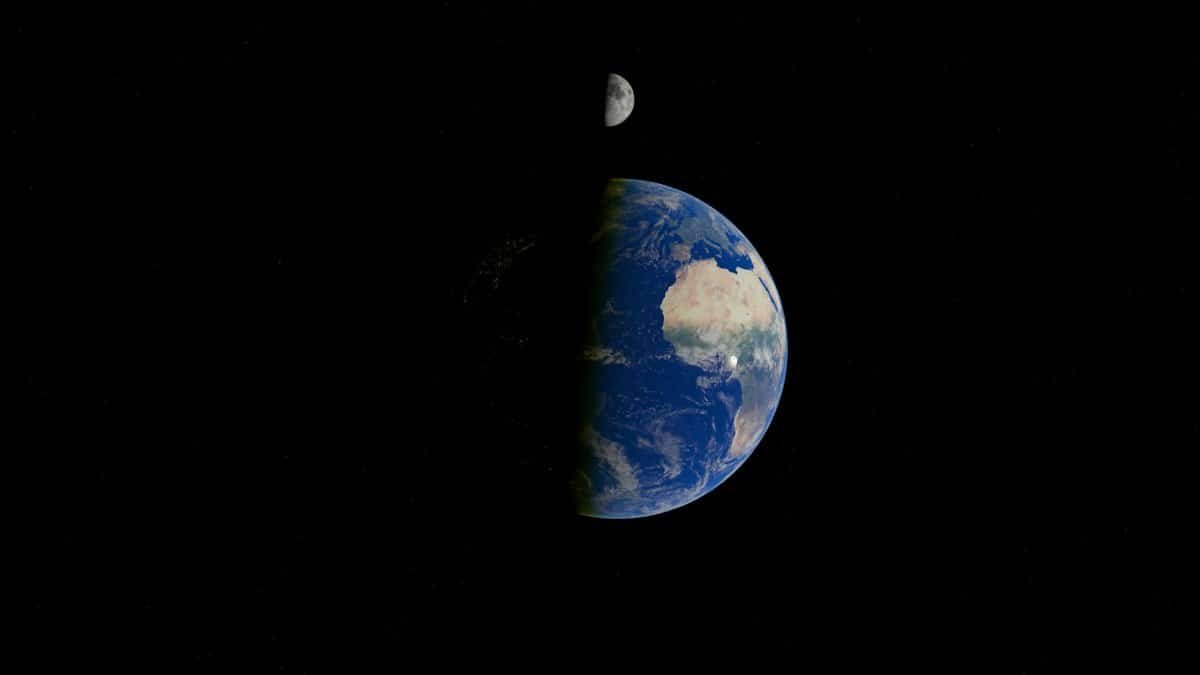
When the Orion spacecraft swung around the far side of the Moon, four astronauts turned their cameras homeward and captured moments that now resonate far beyond the realm of science. The artemis ii photos offer an unfiltered look at the glowing curve of Earth suspended against the infinite black, with the Moon’s ancient surface rolling beneath them. These images do more than document a mission. They awaken a quiet recognition of our shared fragility and the vast forces that shape existence. In newsrooms and living rooms alike, people have stopped to stare, sensing something larger than the pixels on their screens. The photographs arrive at a time when many seek meaning amid rapid change, reminding us that exploration has always carried a reflective dimension. What emerges is not simply data but a visual poem about perspective, distance, and the thin layer of life that clings to one small world.
The Power Of Seeing Earth From Afar
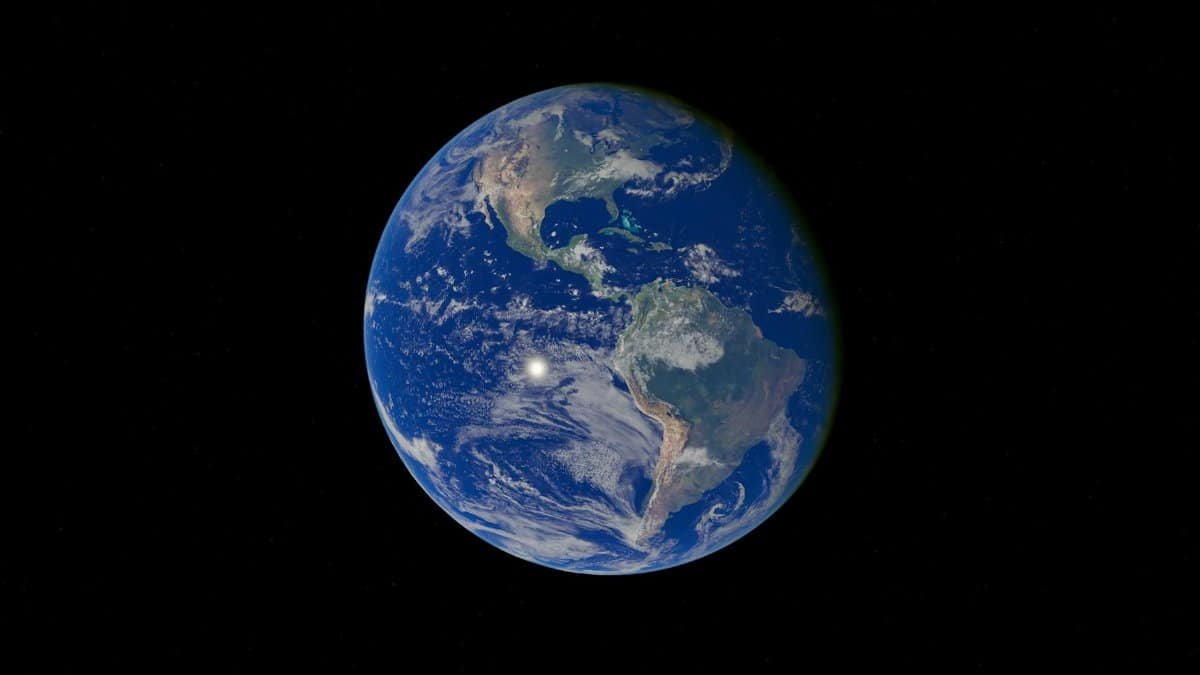
From the vacuum of space the planet appears as a single living entity. Continents drift without borders. Clouds swirl in elegant spirals. The artemis ii photos crystallize this view with a clarity that earlier missions only hinted at. Viewers report an immediate emotional pull, a sensation astronauts have long described as a sudden awareness of unity. The blue arc of the atmosphere looks impossibly thin, a protective veil we have taken for granted. In an age of division these pictures speak a different language, one of interdependence. They suggest that the most profound discoveries may not be new planets but renewed respect for the only home we have. The spiritual news emerging from this mission centers on that realization: seeing Earth whole can reorder priorities on the ground.
Introducing The Artemis II Crew

The four professionals chosen for this journey represent decades of preparation and diverse experience. Commander Reid Wiseman, pilot Victor Glover, mission specialist Christina Koch, and mission specialist Jeremy Hansen each brought unique expertise to the flight. Their training emphasized not only technical precision but also the ability to observe and document with intention. During quiet periods in the spacecraft they took time to frame shots that would communicate both beauty and scale. The artemis ii photos carry their collective eye, blending scientific rigor with an almost artistic sensitivity. Their accounts from orbit reveal moments of silence when words failed and only the act of photographing seemed adequate. These astronauts understood they were not merely travelers but witnesses carrying stories back for millions.
What The Images Reveal About Our World

Examined closely the photographs show details that challenge everyday assumptions. City lights trace delicate webs across night continents. Weather systems appear as graceful sculptures rather than chaotic threats. One particularly striking frame catches the Mediterranean glowing under sunlight while the Atlantic stretches into shadow. Such views collapse the mental distance we maintain between ourselves and the planet. Environmental scientists note that images like these have historically shifted public opinion toward conservation. The current set continues that tradition with even greater emotional impact. By removing political boundaries the artemis ii photos invite reflection on stewardship as a human rather than national concern. They present Earth not as resource or territory but as a singular miracle floating in darkness.
The Moon In Fresh Detail
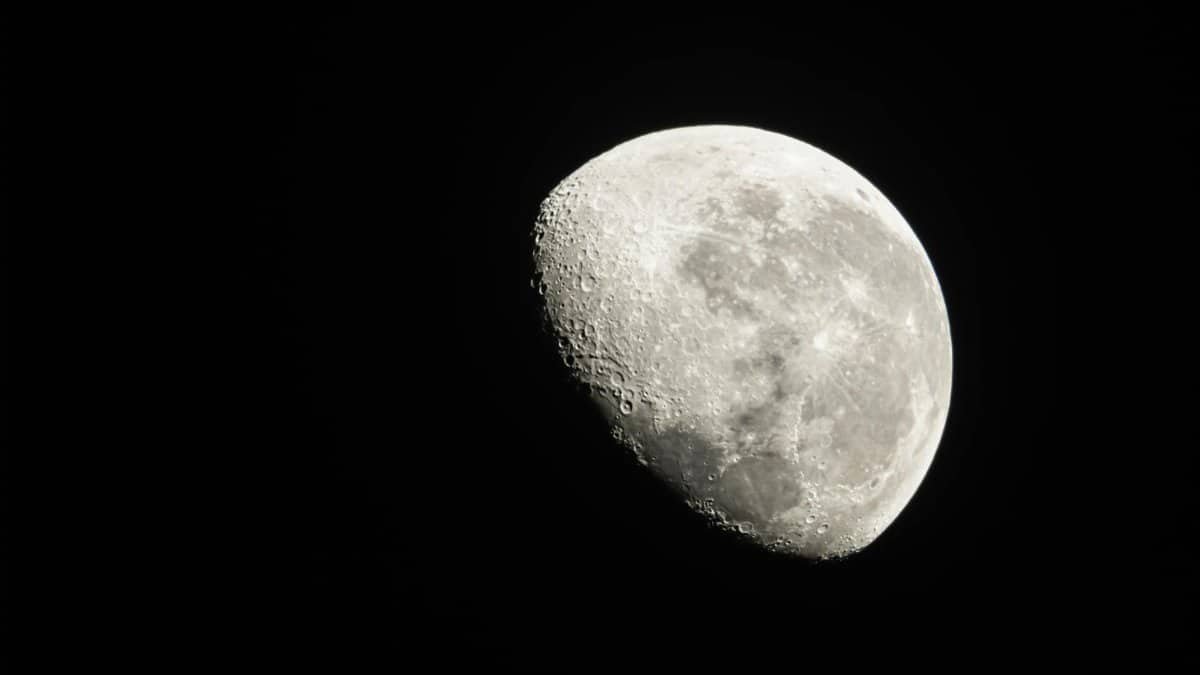
While Earth dominates many compositions the lunar surface receives its due attention. Craters that have remained unchanged for billions of years now appear in sharp relief, their shadows stretching across plains of dust. The photographs capture both the near side familiar from centuries of observation and portions of the far side that remain alien to most eyes. Sunlight rakes across mountain ranges formed by ancient impacts, revealing textures no telescope on Earth can match. These lunar portraits serve as counterpoint to the living world above, emphasizing the contrast between a vibrant planet and its quiet companion. The images remind us that our nearest celestial neighbor holds clues to the solar system’s early history and possibly to humanity’s future beyond low Earth orbit.
A Spiritual Awakening In The Vacuum Of Space

Many who have left the planet speak of an altered consciousness that lingers long after return. The artemis ii photos appear to transmit some echo of that transformation. Religious leaders from various traditions have commented on the images, noting parallels with sacred texts that describe creation from above. The experience of seeing Earth from deep space often dissolves artificial separations between science and spirit. Astronauts report feeling simultaneously insignificant and essential, small in scale yet part of something magnificent. This overview effect, documented in previous missions, finds fresh expression in the latest pictures. They seem to whisper that wonder itself is a form of worship, accessible to anyone willing to look with open attention.
Connecting Science And Deeper Meaning

The mission planners focused on propulsion, navigation, and safety. Yet the most lasting contribution may lie in the realm of perspective. These photographs bridge the empirical and the existential. They provide measurable data on lighting conditions and orbital mechanics while simultaneously stirring questions about purpose and place. Philosophers and theologians have long pondered humanity’s role in the cosmos. The artemis ii photos supply a contemporary canvas for that ancient conversation. Rather than contradict spiritual traditions the images appear to enlarge them, suggesting that curiosity and reverence can coexist. In a polarized culture this convergence feels both rare and necessary.
Public Reaction And Viral Spread

Within hours of release the pictures spread across social platforms and news outlets. Comments ranged from expressions of pure awe to thoughtful discussions about climate and unity. Schools incorporated the photographs into lessons about astronomy and environmental science. Artists found inspiration for new works. The response suggests a widespread hunger for experiences that transcend daily concerns. People shared the images not merely to show them but to share the feeling they evoked. For a brief period the usual online noise quieted as millions contemplated the same blue sphere and gray companion. This collective pause may prove as significant as the mission itself.
Technical Challenges Behind The Pictures

Capturing these photographs required more than pointing a camera. The crew worked within tight constraints of time, light, and spacecraft orientation. Windows offered limited fields of view. Solar glare could easily wash out details. Communication delays with ground control meant decisions often rested with the astronauts themselves. They adjusted exposure settings manually while moving at thousands of miles per hour. The resulting files demanded careful processing to preserve both highlight and shadow information. The fact that such compelling artemis ii photos emerged under these conditions testifies to the crew’s skill and the sophistication of modern imaging equipment. Every frame represents a small victory over the difficulties of documenting space from inside a moving vehicle.
Lessons For Future Exploration

Artemis II marks the beginning of a renewed human presence beyond low Earth orbit. The photographs establish a visual baseline for missions that will eventually land on the Moon and reach farther still. They demonstrate the value of including trained observers who understand both the technical and the communicative aspects of exploration. Future crews may build on this foundation by experimenting with new imaging techniques and sharing even more personal reflections. The spiritual dimension evident in public reaction suggests that future missions should consider not only scientific return but also the broader human impact of what they bring back. In this way each journey becomes both an adventure and an opportunity for collective introspection.
Why These Images Matter Now More Than Ever

At a moment when Earth faces serious environmental and social challenges the artemis ii photos arrive with unusual timeliness. They do not preach or prescribe. Instead they simply show. The planet looks finite and beautiful and alone in the cosmic dark. That simplicity carries persuasive power. By stepping back literally and visually we gain the distance needed to see clearly. The photographs encourage protection of what we have while inspiring expansion of what we dare to dream. They belong equally to the scientific community, to people of faith, to artists, and to anyone who has ever looked up at the night sky with questions. In their quiet way they affirm that exploration remains one of humanity’s most hopeful activities, capable of uniting us across differences by revealing the common home we all share.