

The moon has captivated human imagination for millennia. From ancient myths to modern science it remains a beacon of mystery and possibility. Today NASA is preparing for a mission that will take humans farther into space than they have traveled in over five decades. And the agency wants you to be part of it. New resources now enable anyone with an internet connection to track artemis ii orion throughout its ambitious flight. These tools transform a complex technical endeavor into an experience that millions can share and appreciate. For middle aged Americans who recall the Apollo landings only through grainy television images or family stories this development brings the excitement of exploration directly into their homes. The effort speaks to a quiet hunger many feel for stories that lift us above daily concerns and remind us what collective ambition can achieve.
Reviving the Spirit of Apollo

The Apollo missions of the 1960s and 1970s left an indelible mark on American culture and the world at large. Images of astronauts standing on the lunar surface captivated audiences and inspired a generation of scientists and engineers. Now with Artemis II NASA seeks to recapture that sense of awe and national pride while adapting to a very different world. The program honors the past while looking firmly to the future with an emphasis on sustainable exploration and scientific discovery rather than short visits. It also highlights the increasing role of private companies in supporting government led initiatives through contracts for landers and other essential hardware.
Those who lived through the Apollo years may find particular resonance in these new developments. The ability to follow the mission so closely creates a personal stake in its success that many families can share together. It is a reminder that space exploration is not reserved for a select few but belongs to all humankind and can serve as a unifying force in society. This revival feels especially timely in an era when many Americans report feeling disconnected from grand national endeavors.
Breaking Down the Artemis II Mission

Scheduled to launch later this year Artemis II will send four astronauts on a trip that lasts approximately ten days. After leaving Earth orbit the Orion spacecraft will use the gravity of the moon to propel itself into a distant retrograde orbit. This path will take the crew farther from Earth than any humans have gone before. The primary goal is to test all systems in the harsh environment of deep space before crewed landings begin with subsequent flights.
The crew includes NASA astronauts Reid Wiseman Victor Glover and Christina Koch along with Canadian astronaut Jeremy Hansen. Their selection reflects the diversity that NASA aims to promote in its astronaut corps. Each member brings unique skills and perspectives to the team. Mission planners have spent years refining every detail from launch windows to emergency procedures ensuring the flight balances ambition with safety.
Unlike Apollo which focused on quick touchdowns Artemis II emphasizes thorough systems validation. Data collected will shape everything from suit design to communication protocols for the campaigns that follow. In this way the mission functions as both a voyage and a dress rehearsal for more complex operations ahead.
The Sophisticated Design of Orion
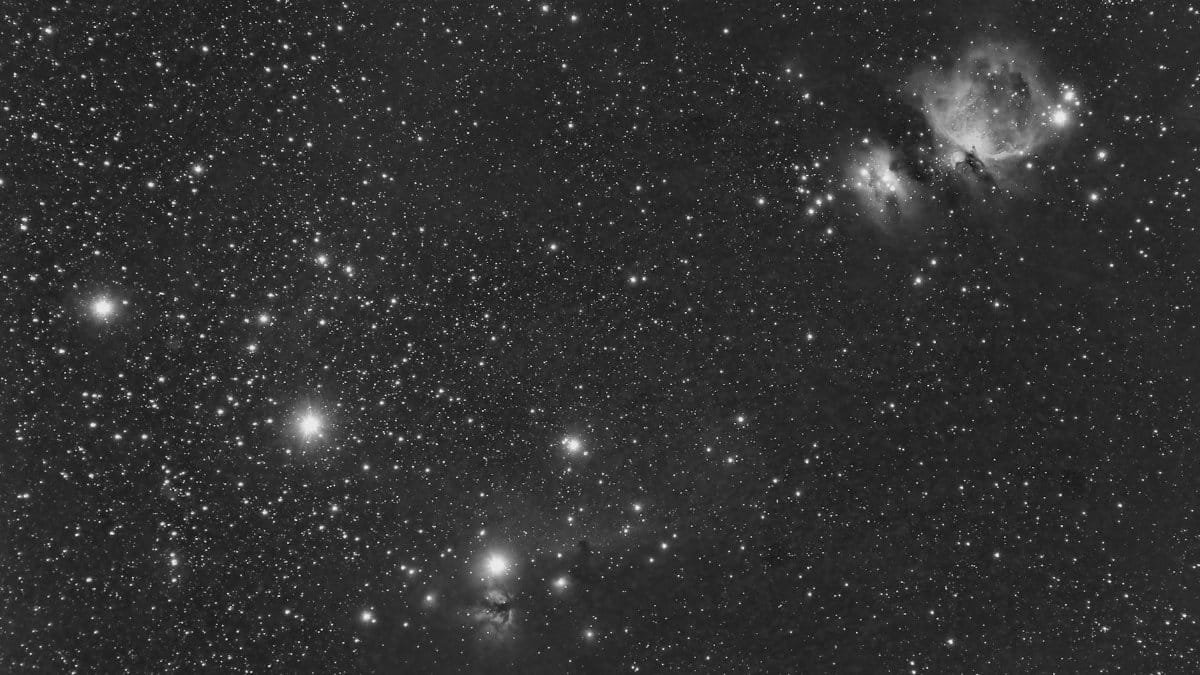
Orion represents a significant leap forward from the Apollo command modules. It features advanced life support systems improved heat shielding and sophisticated avionics. The spacecraft can support a crew for up to twenty one days which provides a comfortable margin for the lunar flyby. European partners have contributed the service module which supplies power and propulsion.
Inside the capsule astronauts will have access to touchscreen controls and sleeping quarters that offer more comfort than their predecessors enjoyed. These improvements are crucial for longer duration missions that will eventually reach Mars. Engineers have paid special attention to radiation protection because the journey takes astronauts beyond the magnetic shield that protects those in lower Earth orbits.
Every kilogram aboard has been carefully considered. From water recycling technology to the materials chosen for the heat shield each element reflects lessons learned from decades of spaceflight experience. The result is a vehicle that feels both revolutionary and reassuringly built on proven foundations.
New Ways to Track Artemis II Orion

NASA has rolled out several innovative tools designed to let the public track artemis ii orion with ease. The main website features an interactive map that shows the spacecrafts location relative to Earth and the moon. Users can zoom in for details or switch to data views that display speed altitude and other metrics. Mobile applications provide notifications at key milestones such as lunar flyby or Earth reentry.
Additionally live video feeds from inside the capsule and external cameras will be available during certain phases of the flight. This level of access was unimaginable during the Apollo era when information trickled out through occasional radio updates and press briefings. The interface has been designed with broad audiences in mind avoiding excessive technical language while still offering deeper layers for enthusiasts.
Engaging the Public in Real Time

Beyond the technical data NASA hopes these tracking capabilities will spark broader conversations about science and exploration. Schools can incorporate the mission into curricula allowing students to follow along and even perform simple calculations based on the public data sets. Community watch parties are being organized across the country for major events during the flight.
This approach reflects a shift in how space agencies interact with the public. Transparency and accessibility are now seen as vital to maintaining support for expensive exploration programs. By demystifying the process NASA aims to build a constituency that understands and values the investment in space travel. Parents and grandparents may find themselves explaining orbital mechanics to children creating multigenerational bonds around a shared sense of discovery.
Public engagement also extends to amateur astronomers who can correlate their own observations with the official tracking information. This blending of professional data and citizen science enriches the experience for everyone involved and helps sustain interest long after the mission concludes.
The Spiritual Dimension of Space Travel

Space exploration has long intersected with questions of meaning and existence. Many astronauts report profound shifts in perspective after viewing Earth from space. This phenomenon highlights the fragility and interconnectedness of our planet. As the Artemis II crew ventures toward the moon observers tracking their progress may experience a version of this perspective shift from afar.
Philosophers and theologians have increasingly engaged with the implications of human spaceflight. Some see it as an expression of divine curiosity implanted in our nature. Others view it as a moral imperative to preserve Earth by learning to live on other worlds. Whatever ones beliefs the mission offers a moment to reflect on humanitys place in the cosmos. (source: NASA Overview Effect Research)
For middle aged readers who have spent decades balancing careers and family obligations the imagery of humans sailing beyond the moon can prompt personal reflection. It invites consideration of legacy and the kind of world we hope to pass forward. In this way a technical mission acquires layers of significance that reach well beyond engineering.
Scientific Goals on the Lunar Journey
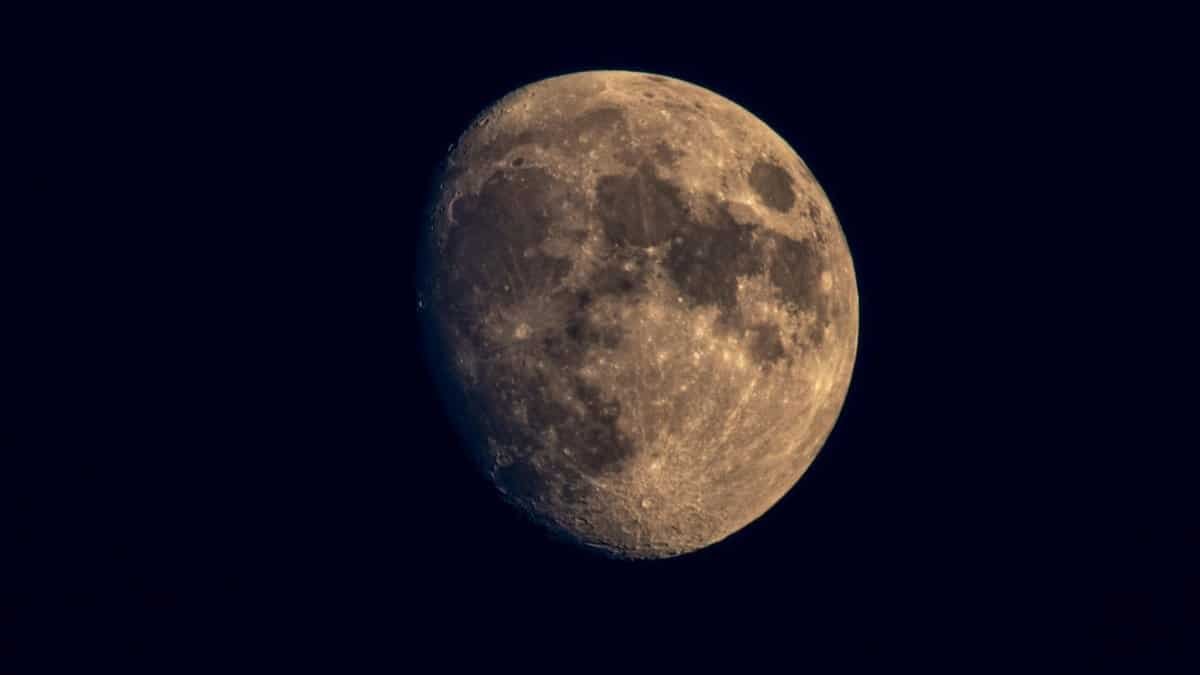
While the headlines focus on the crew the mission carries important scientific payloads. Instruments will measure radiation levels in deep space a key concern for future Mars travelers. Cameras and sensors will map potential landing sites for subsequent missions. Biological samples will test how living organisms respond to the unique conditions beyond low Earth orbit.
These experiments build on knowledge gained from unmanned probes and the International Space Station. They represent incremental steps toward a deeper understanding of our solar system and how to explore it safely. Results will be shared publicly allowing researchers worldwide to analyze findings and propose new questions for later flights.
The data gathered will also inform medical research with potential applications back on Earth. Studies of how the human body responds to prolonged time away from planetary protection could improve treatments for osteoporosis and other conditions related to aging.
Preparing for Life Beyond Earth
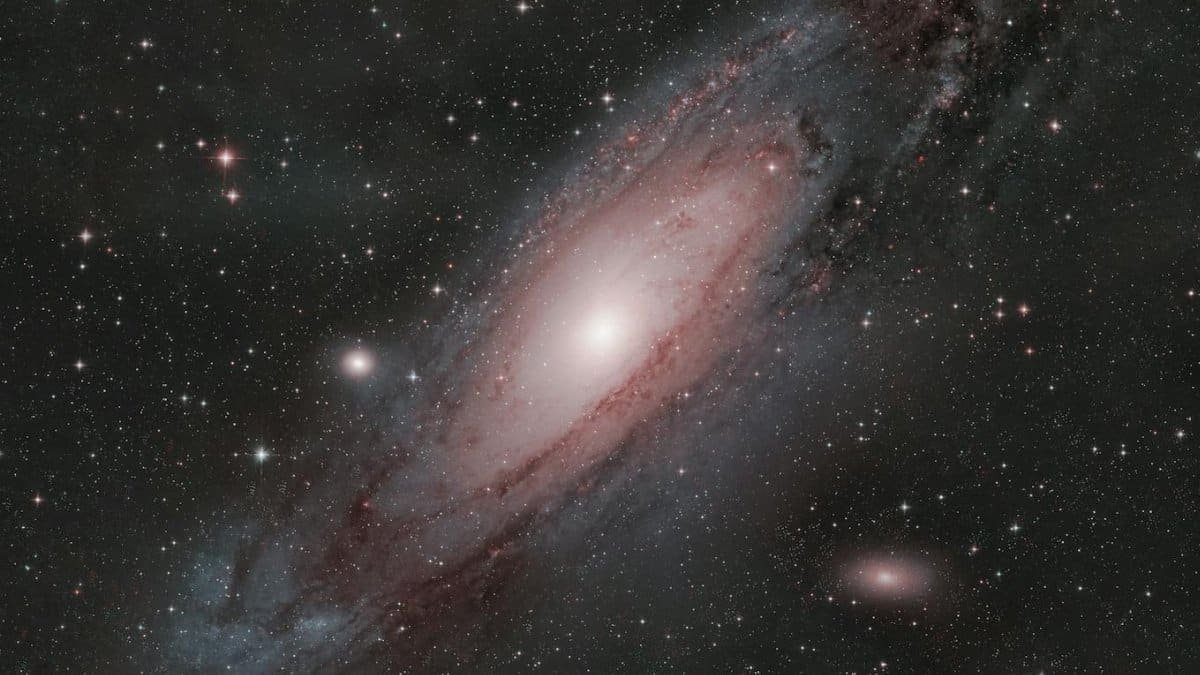
Artemis II is more than a test flight. It is a stepping stone toward establishing a permanent human presence on the moon. That goal in turn serves as preparation for the ultimate challenge of sending humans to Mars. The lessons learned in cislunar space will inform everything from habitat design to psychological support for crews on multiyear journeys.
By involving the public in tracking the mission NASA is also preparing society for the cultural shifts that will accompany deeper space exploration. A generation raised with the ability to follow spacecraft in real time may view humanitys future among the stars as an obvious next step rather than a distant dream. This cultural preparation may prove as important as the technical work.
Global Collaboration and Its Importance

The Artemis program is not an American endeavor alone. It involves partners from more than a dozen countries. The European Space Agency provided the Orion service module. Canada contributed key elements for future lunar surface operations. Japan and others are developing rovers and additional equipment.
This cooperation stands in contrast to the competitive spirit of the original space race. It suggests a model for addressing other global challenges such as climate change or public health. Success in space often depends on our ability to work together across borders and cultures. The tracking tools reflect this spirit by making data available to anyone anywhere with an internet connection.
Finding Meaning in the Vastness of Space

As we gain the ability to track artemis ii orion and future missions we are invited to consider larger questions. What does it mean to be a spacefaring civilization. How should we approach the ethical questions of expanding beyond Earth. These discussions are particularly resonant for those in midlife who may ponder their own legacies and the world they will leave for future generations.
In the end the value of such missions extends far beyond the scientific data or technological achievements. They remind us of our capacity for curiosity courage and cooperation. By opening the doors for public participation in tracking the journey NASA has created a shared experience that transcends national boundaries and touches something fundamental in the human spirit. In a world that often feels chaotic and divided the sight of humans reaching once again for the moon offers hope and a sense of common purpose that many have been quietly longing to rediscover.