
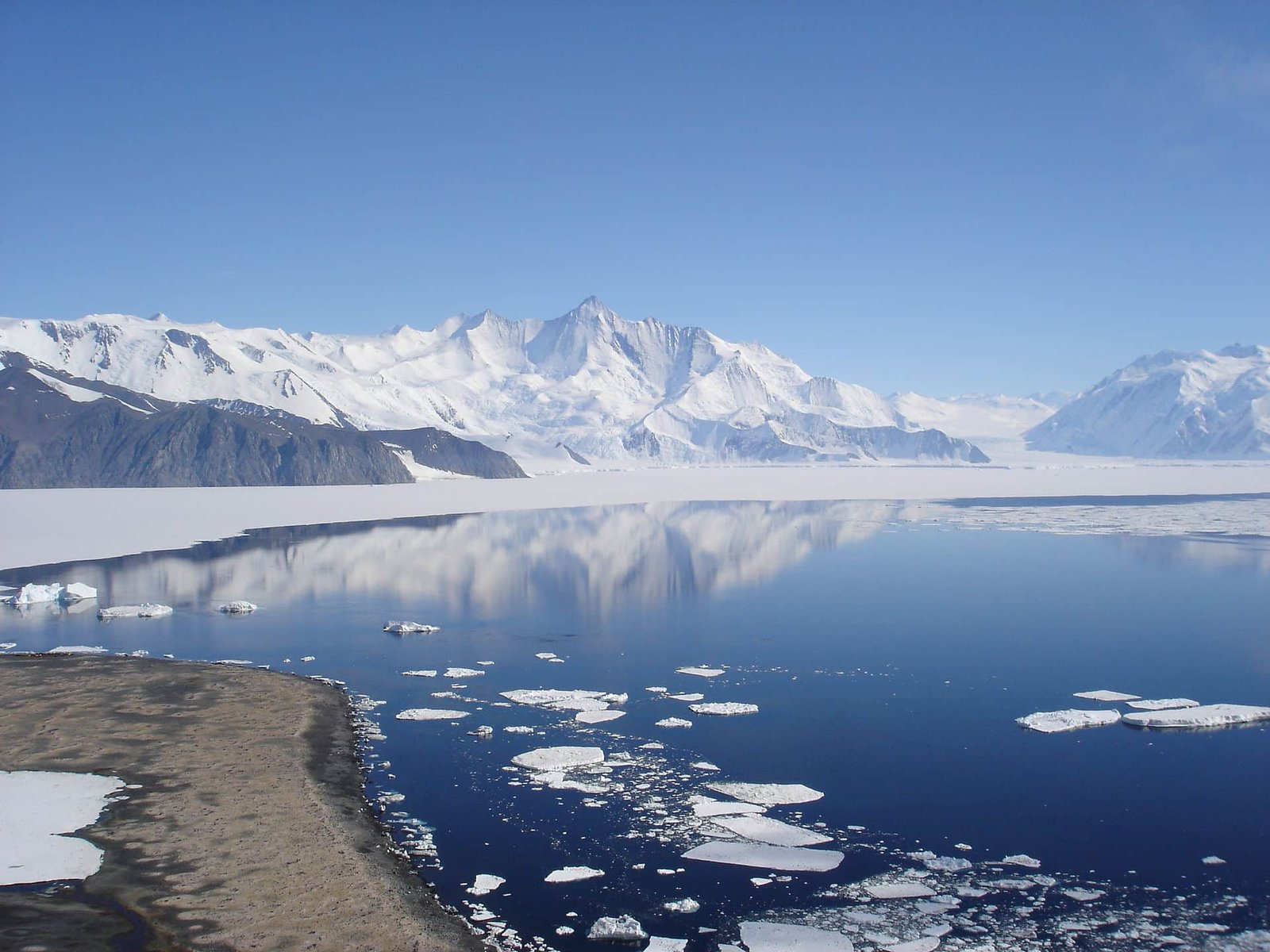
Within each of us lies an inner landscape—vast, rugged, and full of hidden peaks and shadowed valleys. Life’s storms, losses, traumas, and daily pressures can leave us feeling lost at the base of our own mountains, disconnected from the steady, resilient core we once knew. Yet healing often begins not with conquering external heights, but by turning inward. The metaphor of the mountain offers a powerful guide: mindful presence becomes the steady breath, the careful step, the quiet resolve that allows us to climb back to ourselves—one mindful moment at a time.
The Call of the Inner Summit
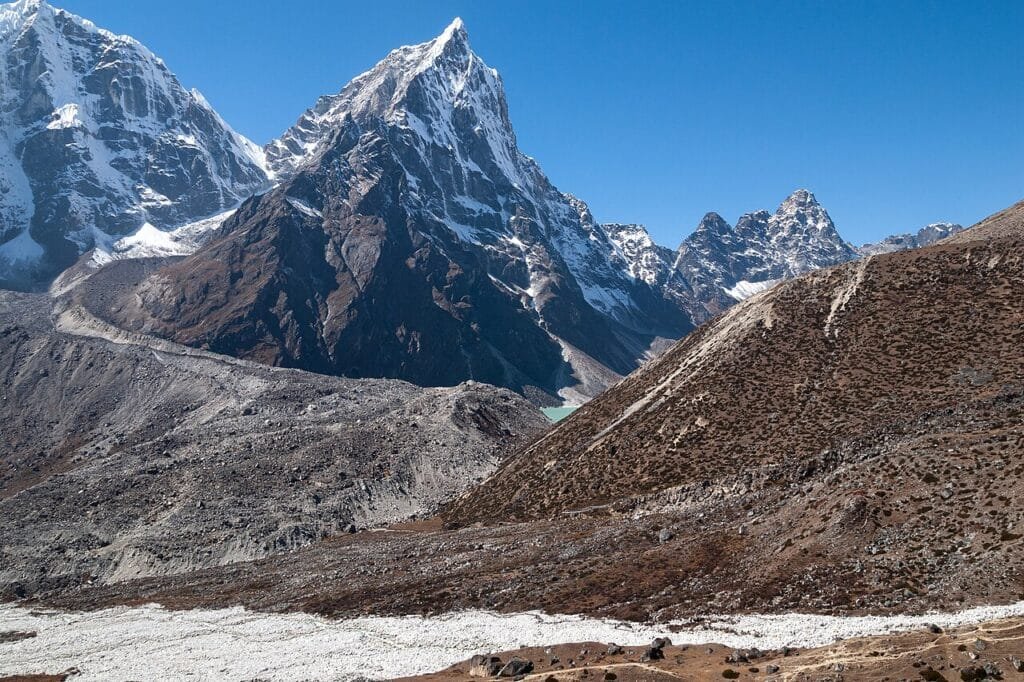
By © Vyacheslav Argenberg / http://www.vascoplanet.com/, CC BY 4.0, https://commons.wikimedia.org/w/index.php?curid=125190347
The journey inward starts with an invitation: to pause amid chaos and notice. Trauma and emotional wounds can trap us in the past—flashbacks, hypervigilance, or numbness—pulling attention away from the present. Mindfulness, especially in its trauma-informed form, gently redirects us. Practices like mindful breathing anchor us here and now, where safety can be rebuilt. As Jon Kabat-Zinn’s famous Mountain Meditation teaches, we imagine ourselves as the mountain: unchanging at our core, even as weather—emotions, thoughts, sensations—passes over us.
This visualization fosters resilience. The mountain endures storms without crumbling; so too can we learn to witness pain without being swept away. Research and trauma-sensitive approaches (like those from David Treleaven’s Trauma-Sensitive Mindfulness) show that adapted practices—short, grounded sessions with options to open eyes or move—help survivors regulate the nervous system, reducing activation while building inner stability.
Step by Step: The Path of Mindful Ascent

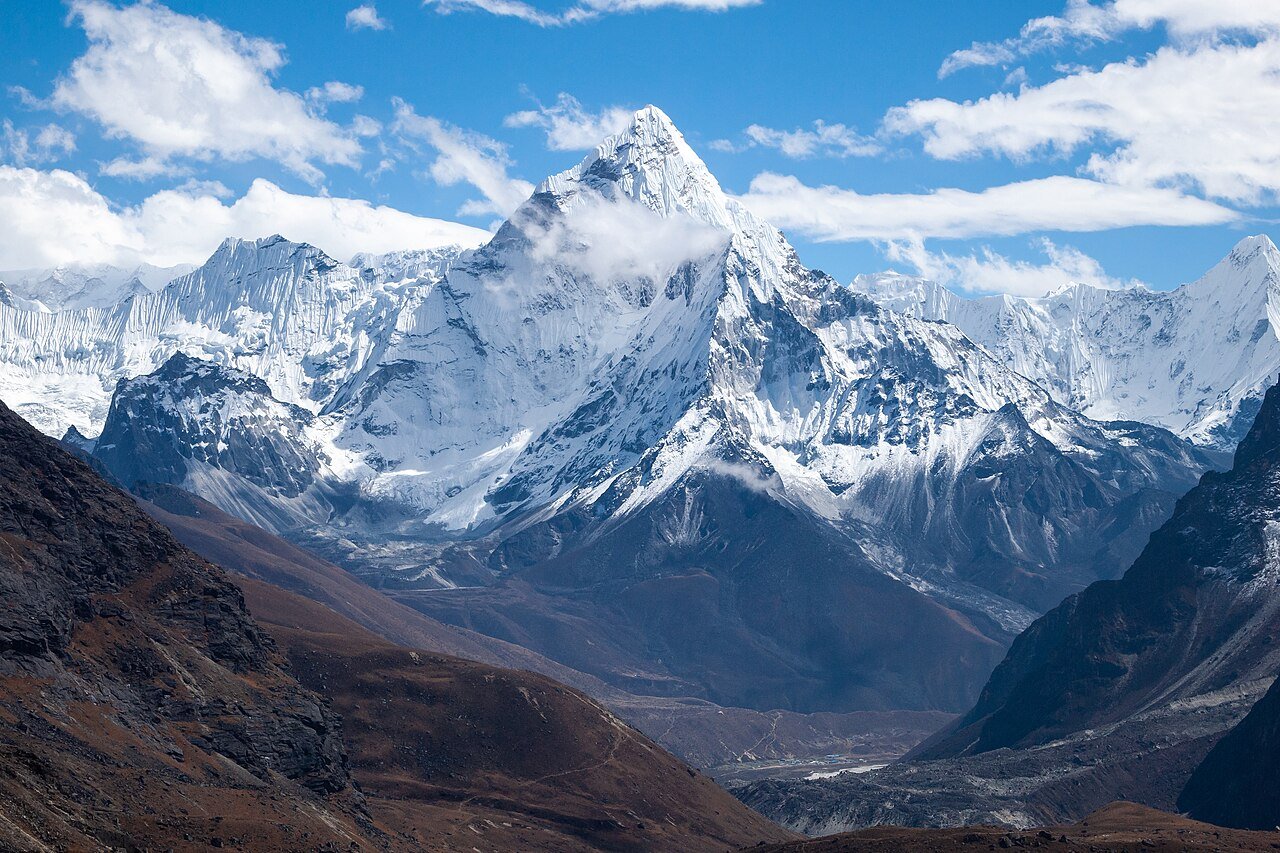
By Diliff – Own work, CC BY-SA 3.0, https://commons.wikimedia.org/w/index.php?curid=7319198
Climbing an inner mountain isn’t about speed or forcing summits. It’s a deliberate, compassionate trek. Start at the trailhead with simple awareness: notice your breath rising and falling like mist over ridges. When old pain surfaces—a sudden tightness in the chest or racing thoughts—pause. Label it gently (“this is grief visiting”) and return to the present, perhaps through the 5-4-3-2-1 grounding technique: name five things you see, four you touch, three you hear, two you smell, one you taste.
As the path steepens, incorporate body-based mindfulness. Somatic practices, inspired by Peter Levine’s trauma healing work, encourage pendulation—shifting awareness between discomfort and a place of resource (like the steady beat of your heart or the support of the ground). Each step upward builds tolerance for what arises, transforming stored tension into released energy.
A winding forest path through mist symbolizes the patient, unfolding nature of personal healing.
Weathering the Storms: Presence Amid Change

Mountains teach impermanence. Snow melts, winds howl, seasons shift—yet the peak remains. On our inner climb, emotions arrive like sudden squalls: anger, shame, fear. Mindful presence invites us to observe without judgment, creating space between stimulus and reaction. Over time, this cultivates equanimity—the ability to meet life’s highs and lows with steady compassion.
Quotes from mountain wisdom echo this truth: “It is not the mountains we conquer, but ourselves” (Edmund Hillary). Or, as one reflection notes, “The healing starts at the mountain, but you need the river to wash the pain away.” The climb reveals inner strength we didn’t know we possessed—resilience forged in quiet endurance.
Reaching the Summit: Integration and Renewal

The true summit isn’t a final arrival but a vantage point: a clearer view of the whole self. From here, healed aspects integrate—past wounds become stories of survival, not definitions. Mindful presence becomes a way of being: walking through daily life with the same grounded awareness that carried you upward.
Many find profound renewal in nature itself—hiking real trails while practicing presence mirrors the inner work. The crisp air, rhythmic steps, vast vistas all reinforce that healing is ongoing, gentle, and deeply possible.
The Quiet Companionship of the Mountain
One of the most profound gifts of this inner climb is learning to befriend silence. In our noisy, demanding world, silence can feel intimidating—empty space where old echoes might return. Yet on the mountain, silence is never truly empty. It holds the sound of wind through pines, distant streams, your own steady heartbeat. Mindful presence teaches us to rest in this quiet companionship without needing to fill it. Over weeks or months of consistent practice, what once felt like loneliness transforms into spaciousness. You begin to trust that you can sit with yourself, no agenda, no performance—just being. This capacity for self-companionship becomes one of the deepest forms of healing: the realization that you are enough, exactly as you are in this moment. The mountain doesn’t demand you change; it simply holds space while you remember who you’ve always been beneath the layers of survival.
Carrying the Summit Into Everyday Life
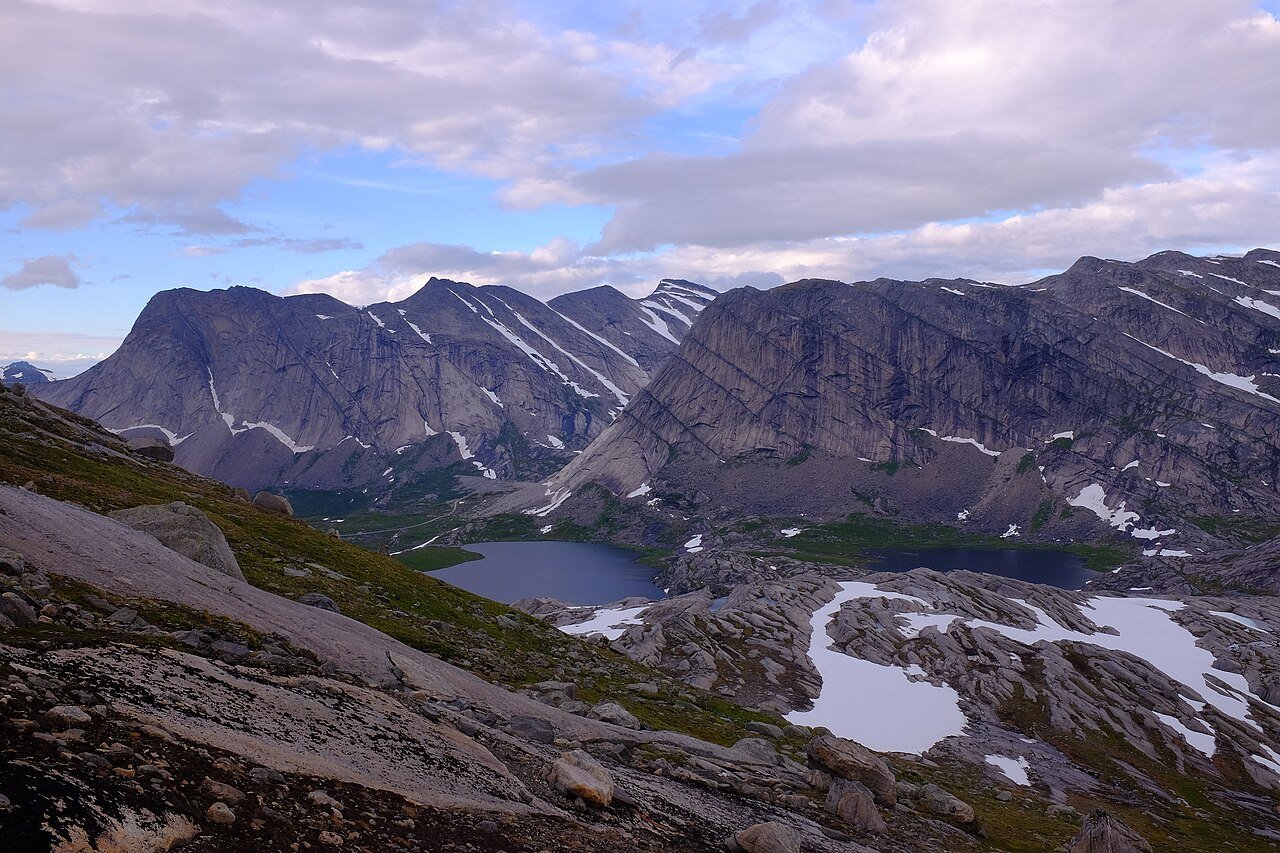
Descending the inner mountain doesn’t mean leaving it behind. The summit lives in you now—as a felt sense of steadiness that returns whenever you pause and breathe. In traffic jams, difficult conversations, sleepless nights, or moments of unexpected joy, you can touch that quiet peak within. A brief body scan at your desk, three conscious breaths before responding, or a mindful glance at the sky during a walk—these micro-practices keep the trail open. Healing, in this way, is not a destination you reach once and for all. It becomes a lifelong relationship with presence, a gentle ongoing conversation between the wounded parts and the wise, enduring core. The mountains within remain patient and vast. They remind us daily: no matter how far the path twists, every breath is a step home.