

In a welcome reprieve for Montana residents grappling with surging home values, Governor Greg Gianforte and the Montana Department of Revenue have extended the application deadline for key property tax relief programs to March 20, 2026. This decision comes as housing valuations continue to climb sharply across the state, putting pressure on homeowners and renters alike. The move provides much-needed extra time for eligible individuals to apply for montana property tax relief, helping to mitigate the financial strain amid an otherwise vibrant economy. According to the governor’s office, Montana now stands among the top three U.S. states for the biggest gains in consumer purchasing power since 2020—a sign of the state’s underlying economic resilience.
Why the Deadline Extension Was Needed
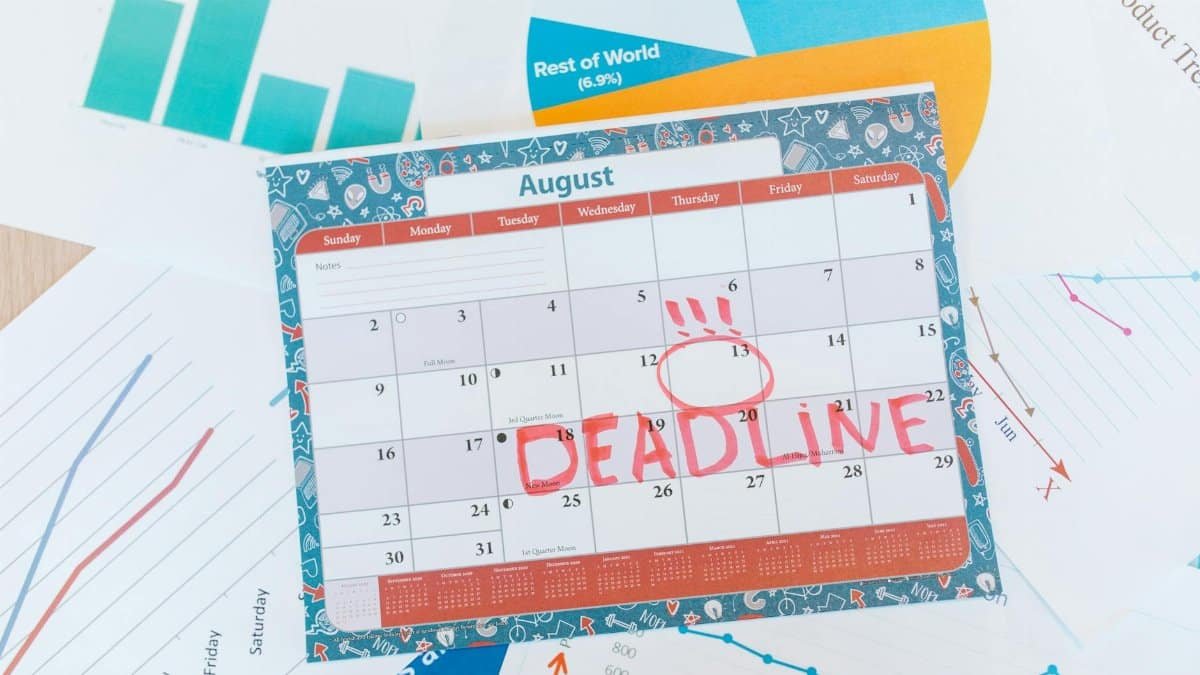
Montana’s property tax relief programs have become increasingly vital as residential valuations have soared in recent years. Homeowners and renters, many of whom are feeling the pinch from these rapid increases, now have until March 20, 2026, to submit their applications. This extension, announced by Governor Gianforte and the Department of Revenue, acknowledges the real-world challenges families face in navigating bureaucratic timelines during periods of economic flux. It’s a practical step that ensures more people can access the support designed to offset rising tax burdens tied directly to those escalating property assessments.
A Lifeline for Homeowners

For Montana homeowners, the montana property tax relief extension couldn’t come at a better time. With housing values climbing amid broader market pressures, property taxes have followed suit, squeezing household budgets. The prolonged deadline offers a buffer, allowing owners to gather necessary documentation without the rush of an earlier cutoff. This isn’t just administrative flexibility—it’s a direct response to the valuation surges that have made homeownership feel more burdensome for many, even as the state’s economy shows strength elsewhere.
Renters Gain Extra Time Too

Renters, often overlooked in property tax discussions, stand to benefit equally from this policy shift. The programs target both owners and tenants, recognizing that rising valuations indirectly hike rental costs through landlords’ increased tax liabilities. By pushing the application window to March 20, 2026, Governor Gianforte and the Department of Revenue are ensuring renters have ample opportunity to apply for montana property tax relief. This inclusive approach helps stabilize living expenses for a demographic that plays a crucial role in Montana’s communities.
Tackling Soaring Housing Valuations
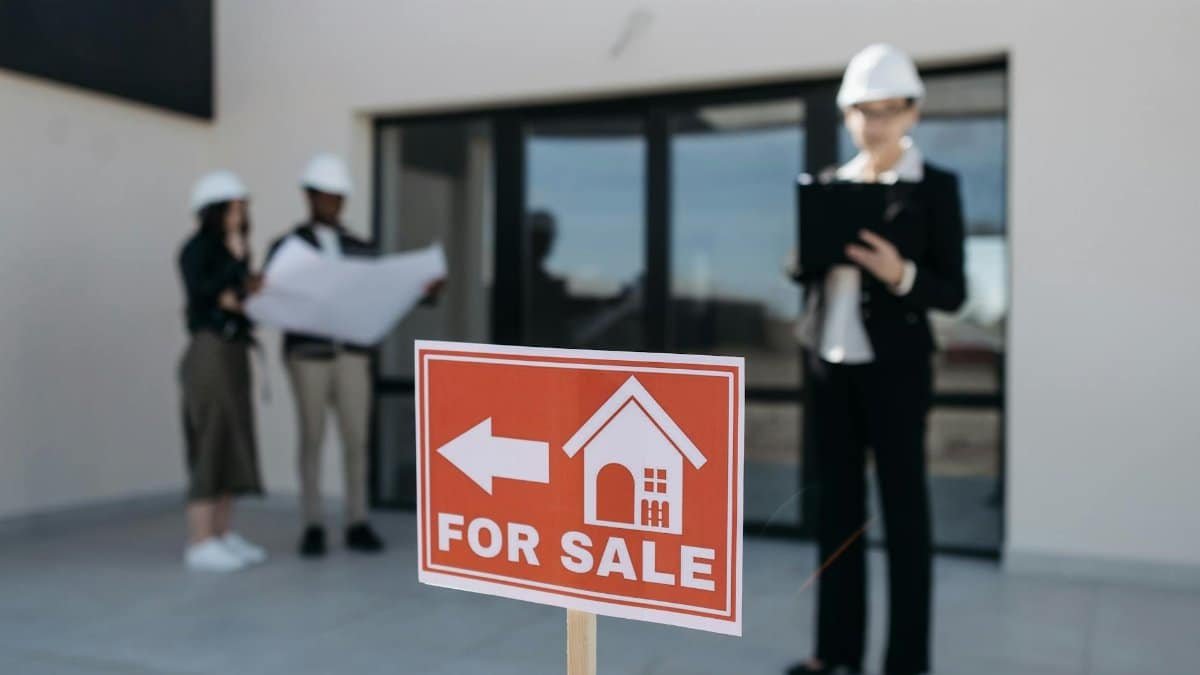
The backdrop to this extension is unmistakable: Montana’s housing market has seen valuations rise dramatically, fueling higher property taxes that ripple through everyday life. These increases reflect pent-up demand and broader national trends in real estate, where median home prices have jumped significantly since the pandemic. The state’s leadership has responded by extending deadlines for relief programs, giving residents breathing room to address the fallout. As reported by the governor’s office, this targeted measure aims to keep families from being overwhelmed by tax bills that no longer align with their financial realities.
Montana’s Economic Bright Spot

Amid these challenges, Montana’s economy is firing on all cylinders. The state now ranks in the top three nationwide for growth in consumer purchasing power since 2020, according to data highlighted by Governor Gianforte. This metric—encompassing wage growth, inflation adjustments, and spending capacity—signals robust health that benefits workers, businesses, and families. Yet even in this positive context, property tax pressures from soaring valuations underscore the need for relief programs. The extension to 2026 bridges that gap, allowing economic gains to translate into tangible household stability.
Governor Gianforte’s Role in Relief Efforts

Governor Greg Gianforte has positioned himself at the forefront of this initiative, partnering with the Montana Department of Revenue to deliver timely support. His administration’s decision to extend the montana property tax relief deadline reflects a proactive stance on affordability issues. By focusing on homeowners and renters alike, the governor is addressing a core concern for Montanans: maintaining access to the American Dream in a state where natural beauty draws newcomers but also drives up costs. This move builds on the state’s economic momentum without ignoring the pockets of strain.
Consumer Purchasing Power: A Top Performer

Montana’s climb into the top three U.S. states for consumer purchasing power growth since 2020 is no small feat. This ranking, drawn from comprehensive economic indicators tracked by the governor’s office, points to rising incomes outpacing inflation in ways that bolster everyday spending. For families eyeing property tax relief, it’s a reminder that while valuations soar, the broader fiscal environment offers optimism. The extended application period ensures that this purchasing power isn’t eroded by unexpected tax hikes, preserving the gains that have positioned Montana as an economic standout.
What This Means for Montana Families

Ultimately, the March 20, 2026, deadline for montana property tax relief programs is about empowerment. Homeowners and renters now have the flexibility to apply on their terms, countering the immediate pressures of high valuations with state-backed assistance. Coupled with the state’s elite ranking in consumer purchasing power, it paints a picture of resilience: an economy strong enough to support its people through targeted policies. As housing markets evolve, this extension serves as a stabilizing force, helping Montana families navigate change without sacrificing financial security. For more details, check the announcement from the [governor’s newsroom](https://governor.mt.gov/newsroom/).