

Can you survive “monk mode”?
January 15, 2026 — This extreme productivity hack demands shutting off all external communication for a full 12 hours. CEOs across corporate America are adopting it as standard practice. The challenge tests limits in an always-connected world. No emails. No calls. No notifications. Just pure focus. What started as a radical experiment now drives executive output. But the question lingers: Can high achievers endure the silence long enough to reap the rewards?
What Defines Monk Mode?

Monk mode strips away distractions at their core. It requires total disconnection from the outside world for 12 straight hours. Practitioners eliminate every form of external communication. Phones go silent. Emails wait. Social media vanishes. The goal is uninterrupted concentration on high-value tasks. This isn’t casual time management. It’s an all-in commitment to productivity. CEOs report it transforms scattered days into focused power sessions.
The 12-Hour Shutdown Explained

The rule is simple yet brutal: 12 hours without any inbound or outbound contact. That means no checking messages at dawn. No quick replies during breaks. External communication halts completely. Mornings often kick it off, running through lunch and into evening. The duration forces deep immersion. Short bursts won’t cut it. This extended block mimics monastic isolation, hence the name. CEOs build it into schedules as non-negotiable.
Why CEOs Are Turning to It

Top executives face endless demands. Monk mode counters that chaos. By going offline, they reclaim control over their time. Decisions sharpen. Strategies emerge clearer. The hack positions them ahead in competitive boardrooms. It’s no longer fringe. It’s standard. Leaders integrate it weekly, sometimes daily. This shift signals a broader push for intentional work in U.S. business circles.
Research on focused work supports the approach. For instance, Harvard Business Review outlines how blocking distractions boosts cognitive performance, aligning with monk mode’s principles.
The Extreme Nature of the Hack
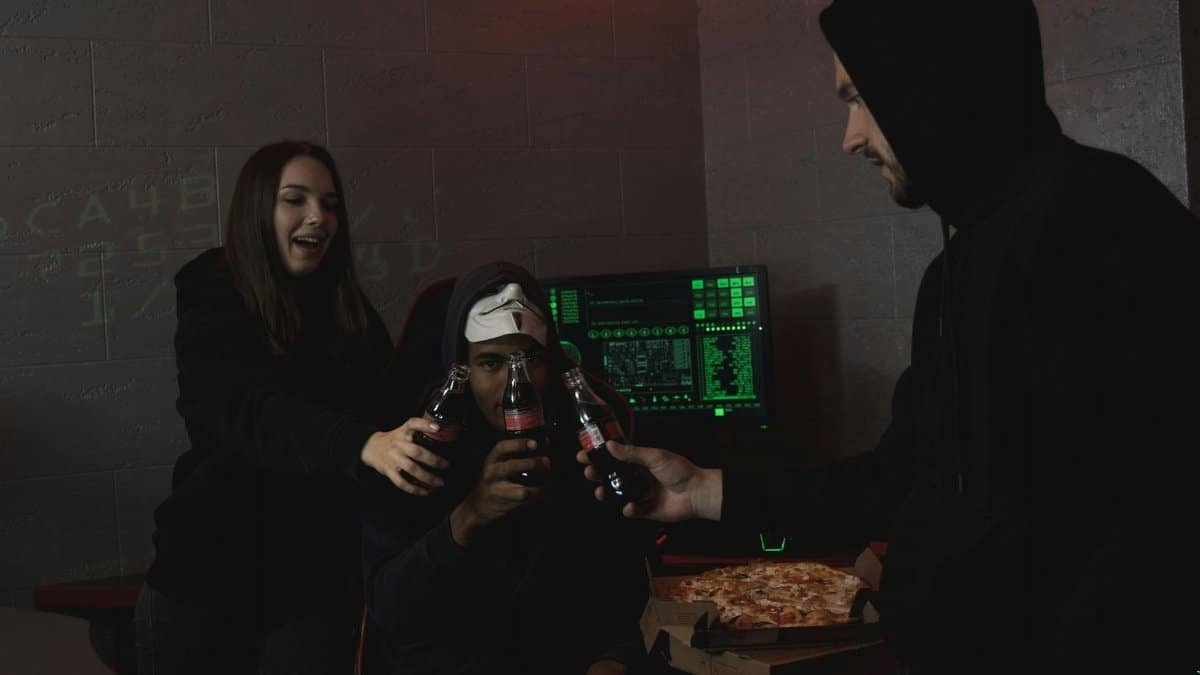
Monk mode earns its “extreme” label through sheer intensity. Twelve hours offline feels endless in 2026’s hyper-connected era. Urgency tugs constantly. FOMO hits hard. Yet that’s the point. It breaks addiction to constant input. Productivity surges when the mind locks in. CEOs thrive here, tackling complex problems others sidestep. The hack redefines efficiency for the elite.
Surviving the Communication Blackout

Survival defines monk mode’s true test. Can you endure without pinging colleagues? Without scrolling feeds? The isolation builds mental resilience. First hours pass easy. Then cravings build. By hour eight, resolve wanes. CEOs push through by prepping tasks ahead. They inform teams in advance. Boundaries hold firm. Success stories pile up. Those who survive report breakthroughs. Others falter and reconnect prematurely.
From Novelty to Corporate Standard
What began as a whispered productivity secret now sets the executive norm. CEOs normalize 12-hour blackouts. Schedules reflect it. Meetings shift around it. Teams adapt. In 2026, U.S. boardrooms buzz with its adoption. It’s practical armor against distraction overload. The hack scales from solo warriors to C-suite rituals. Standard practice means it’s here to stay.
Productivity Payoff for Leaders

Shutting off communication unlocks peak output. CEOs finish what others delay. Reports get polished. Visions crystallize. The 12-hour window multiplies results. No fragmented attention. Just flow state dominance. This hack levels up high-stakes roles. It’s the edge in cutthroat markets. Practitioners don’t just work harder. They work deeper.
U.S. Labor Department data underscores focus’s role in output gains. See Bureau of Labor Statistics productivity highlights, which track how concentrated effort drives economic measures.
Implementing the Daily Discipline
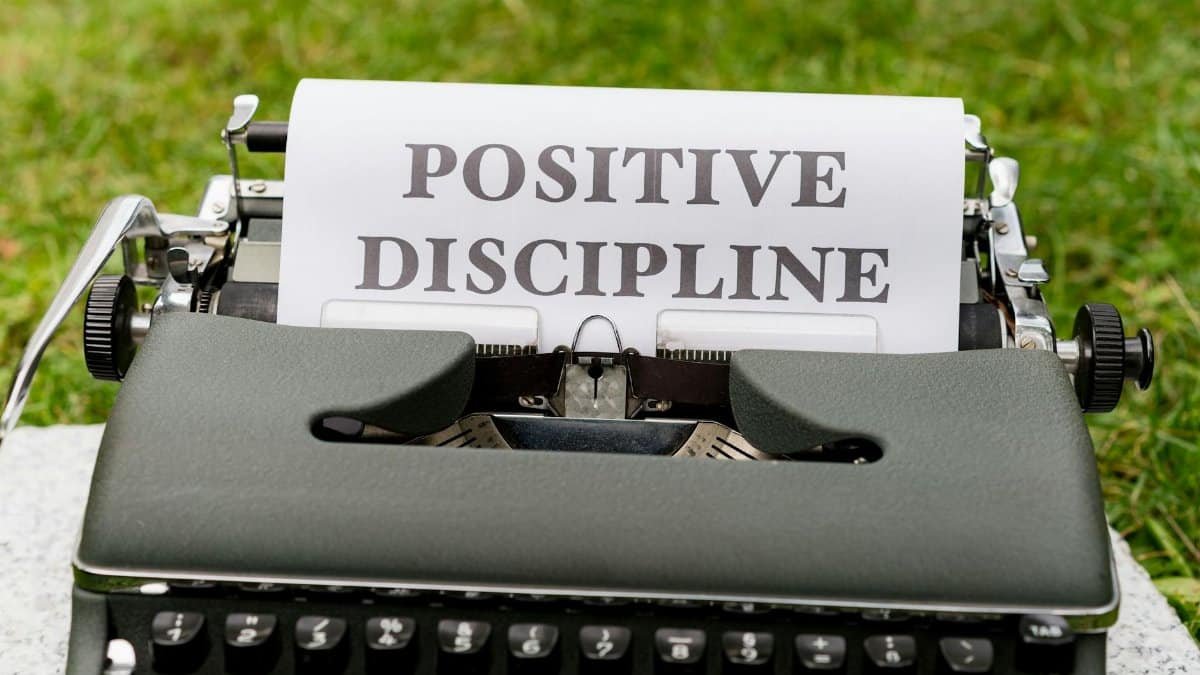
CEOs start small but commit fully. Pick a window: 6 a.m. to 6 p.m. Silence devices completely. Inform stakeholders once. Dive into priorities. Track progress post-session. Adjustments refine it. Resistance fades with repetition. In 2026 trends, it’s the go-to for sustained wins. Monk mode demands discipline. Deliver, and productivity soars.
Challenges in a Wired World

External pressures test every attempt. Urgent crises tempt breaches. Team expectations clash. Yet CEOs enforce it rigidly. Preparation mitigates risks. Delegate non-essentials. Use it for creative heavy lifting. The survival payoff? Unrivaled clarity. As standard practice spreads, workplaces evolve. Monk mode challenges the status quo. CEOs prove it’s viable. The rest follow.