

In the shadow of 2025’s devastating storms—the deadliest tornado year in more than a decade—Missouri is doubling down on readiness. The Missouri State Emergency Management Agency (SEMA) has placed Severe Weather Preparedness Week, set for early March 2026, at the forefront of its efforts to safeguard lives. Anchoring the week will be a coordinated statewide tornado drill on March 4, designed to sharpen response skills across the state. Officials are emphatic: residents must revisit their emergency sheltering plans and restock disaster kits. The harrowing lessons of last year’s chaos underscore why such drills and preparations can’t wait.
A Year of Unprecedented Tornado Devastation
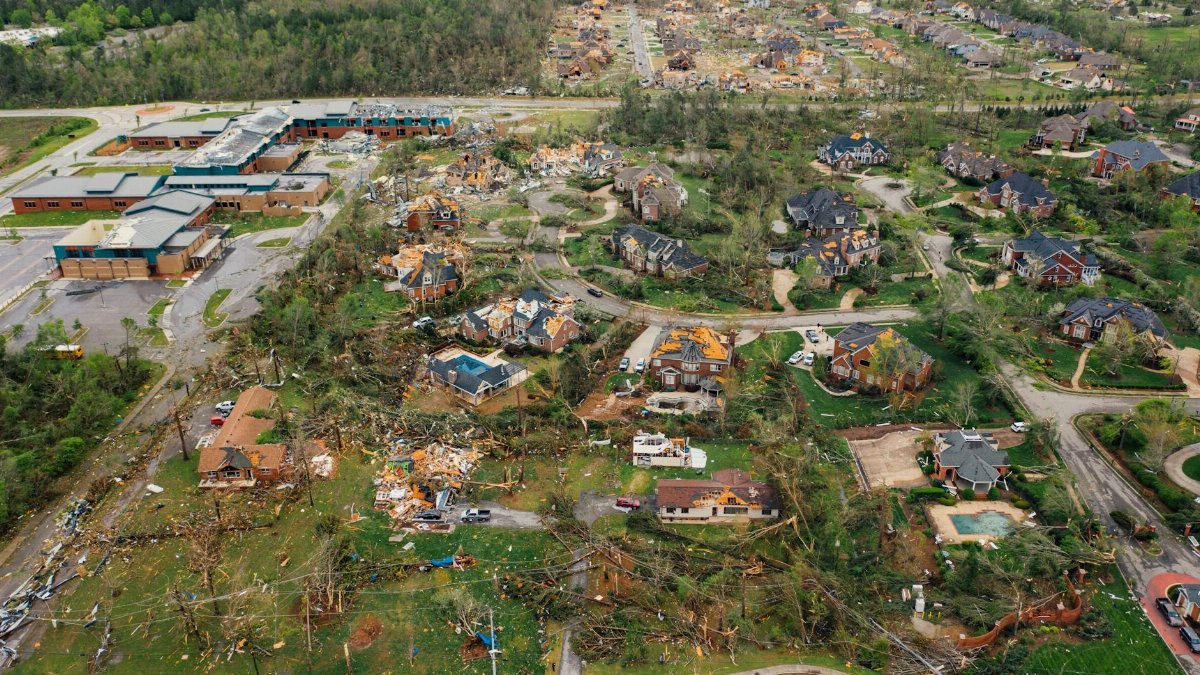
2025 etched itself into Missouri’s memory as a year of unrelenting fury from the skies. Tornadoes tore through communities with a ferocity not seen in over 14 years, claiming lives and shattering homes in ways that demanded a reckoning. SEMA’s focus on this history isn’t mere reflection; it’s a stark reminder of vulnerability. As weather patterns grow more unpredictable, the agency sees no room for complacency. The push for the upcoming Missouri tornado drill stems directly from these events, transforming grief into actionable resolve. Families that once felt secure now understand that survival hinges on proactive steps taken well before sirens wail.
Severe Weather Preparedness Week Takes Center Stage
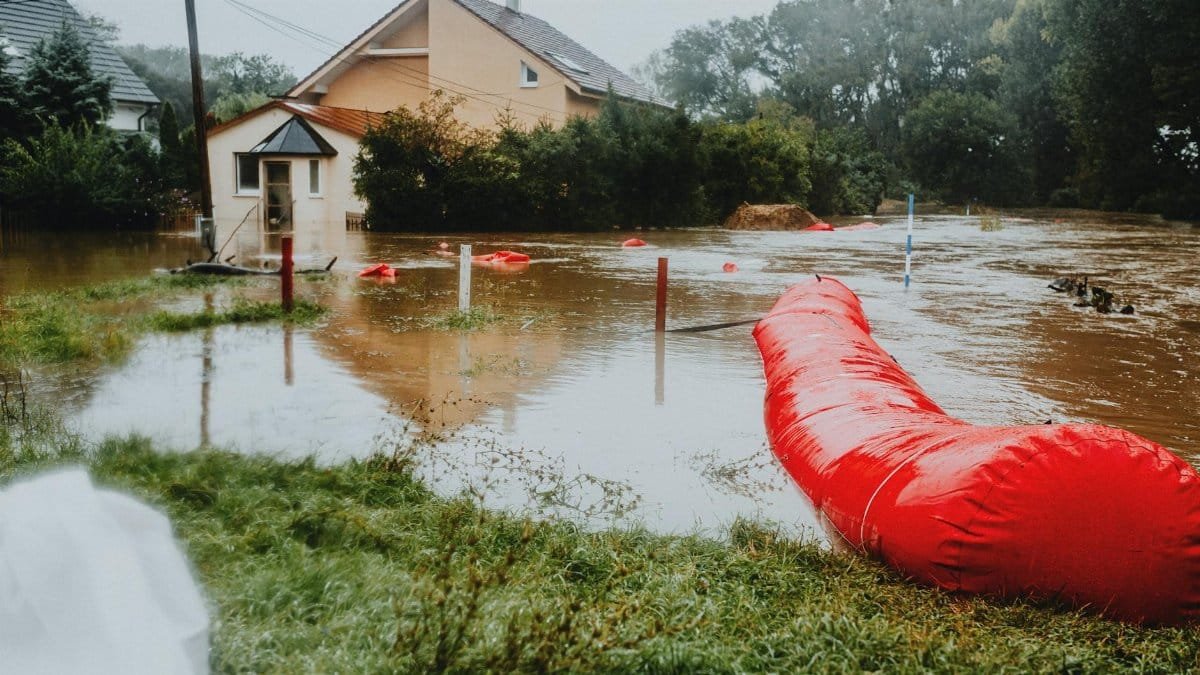
Early March 2026 marks a pivotal moment with SEMA’s Severe Weather Preparedness Week, a statewide initiative prioritizing education and practice amid rising threats. This isn’t just another calendar event—it’s a strategic response to 2025’s toll, aiming to embed safety habits into daily life. By dedicating this period, officials hope to reach every corner of Missouri, from urban centers to rural expanses. The week’s crescendo, the Missouri tornado drill, will test these lessons in real time, fostering a culture where preparedness is as routine as checking the forecast. SEMA’s emphasis here signals a broader commitment to turning awareness into instinct.
March 4: The Date for the Statewide Tornado Drill

On March 4, 2026, alarms will sound across Missouri in a unified statewide tornado drill, orchestrated by SEMA to simulate the chaos of an actual outbreak. This Missouri tornado drill isn’t a drill for drill’s sake; it’s a vital rehearsal born from 2025’s deadly realities. Participants—from schools to businesses—will practice duck-and-cover protocols, ensuring muscle memory kicks in during true emergencies. The date was chosen deliberately within Preparedness Week, maximizing participation and impact. As reported by SEMA, such exercises have proven essential in high-risk regions, bridging the gap between knowledge and execution when seconds count.
Why 2025’s Storms Demand Immediate Action

The 2025 storm season didn’t just break records; it exposed critical weaknesses in readiness that cost lives. SEMA notes that this deadliest year in over 14 years highlighted how quickly calm turns to catastrophe without solid plans. Tornadoes struck with little warning, overwhelming unprepared households and straining response teams. Now, with the Missouri tornado drill on the horizon, the agency is channeling that urgency into empowerment. Officials stress that ignoring these signs invites repetition. Blended seamlessly into this call is evidence from federal weather experts, like those at NOAA, affirming that communities with drilled protocols suffer far fewer casualties—a point that resonates deeply post-2025.
Reviewing Emergency Sheltering Plans: A Must-Do Step
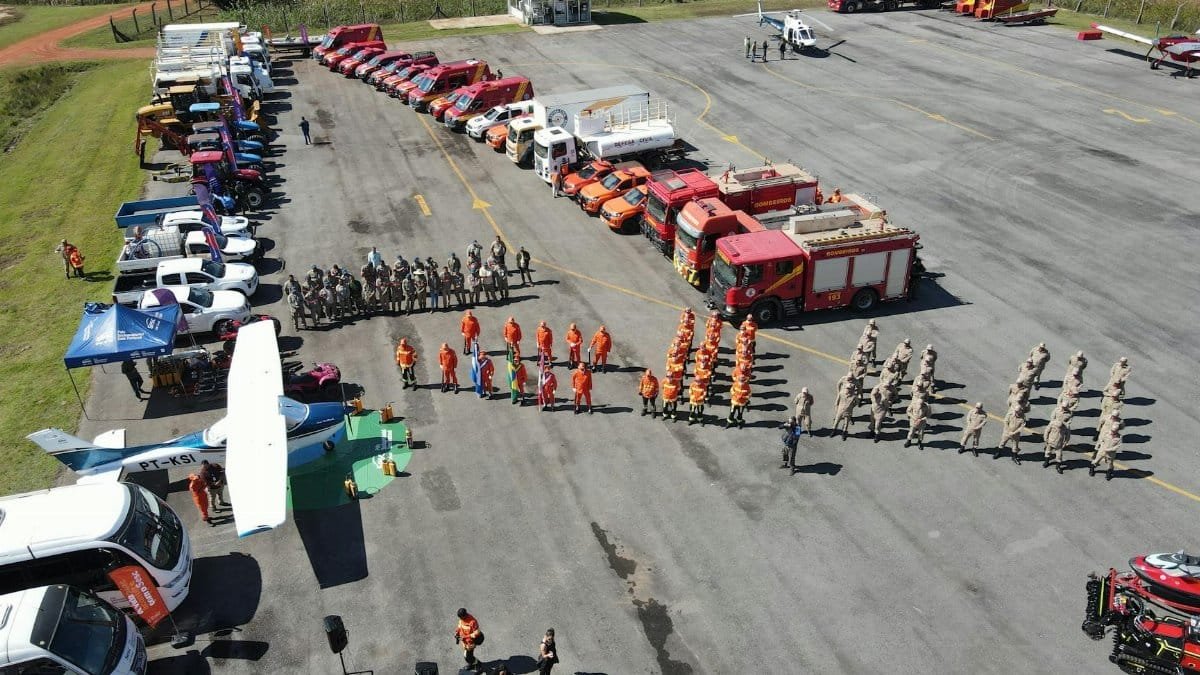
SEMA’s top urging? Dust off and refine those emergency sheltering plans. In tornado country like Missouri, knowing where to hunker down—be it a sturdy interior room or a storm cellar—can mean the difference between safety and tragedy. The 2025 season proved this brutally, as many scrambled in panic without clear strategies. Officials recommend walking through homes and workplaces, identifying safe spots away from windows and flying debris. Update family communication protocols too, ensuring everyone knows the drill. As the March 4 Missouri tornado drill approaches, this review isn’t optional; it’s the foundation of survival, tailored to each household’s layout and needs.
Updating Disaster Kits: Essentials for the Long Haul

No plan is complete without a well-stocked disaster kit, and SEMA is insistent on updates ahead of Severe Weather Preparedness Week. The basics—water, non-perishables, flashlights, batteries, first-aid supplies—must cover at least 72 hours, but 2025’s prolonged outages showed why more is better. Include medications, pet needs, and important documents in waterproof containers. Test batteries now; rotate food stocks regularly. This isn’t hoarding; it’s prudence forged in recent fires. The statewide tornado drill will reinforce why these kits matter, simulating scenarios where help arrives late. SEMA’s guidance, straightforward and proven, ensures Missourians aren’t caught short again.
Rigorous Preparedness: Proven by Hard Experience
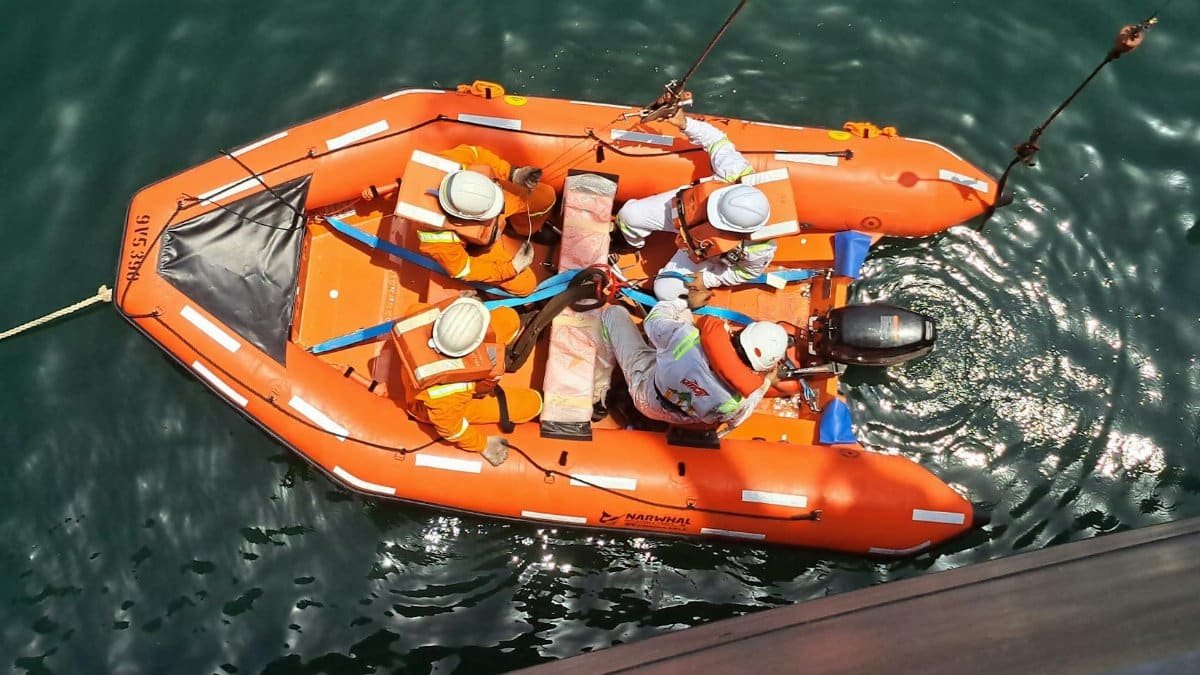
What 2025 etched indelibly is the necessity of rigorous preparedness, a mantra SEMA weaves through every message. Half-measures failed spectacularly last year, from outdated plans to empty kits, amplifying the deadliest toll in over 14 years. The agency’s prioritization of the Missouri tornado drill embodies this shift toward thoroughness. Officials aren’t exaggerating when they link survival rates to preparation levels—real-world outcomes bear it out. Subtle insights from disaster research, such as FEMA’s findings on pre-planned evacuations slashing injury risks, align perfectly here, underscoring SEMA’s push without introducing new data. Missouri’s future hinges on embracing this rigor now.
Missouri United: Heeding the Call to Prepare
Across the Show-Me State, SEMA’s call resonates: review plans, update kits, join the drill. This unified front against severe weather, spotlighted in early March 2026, transforms individual actions into collective strength. The March 4 statewide tornado drill will be the proving ground, a moment for communities to stand ready. Drawing from SEMA’s directives, residents have the tools; now it’s about commitment. In the wake of 2025’s scars, this isn’t fear-mongering—it’s forward-thinking resolve. Missourians, step up: your preparedness today shields tomorrow.