

Is the Missouri Calm Commute Bill the answer to stressful daily travel? In a bold move to transform public transit, Missouri has launched a unique pilot program in St. Louis, equipping MetroLink cars with features designed to soothe frazzled commuters. House Bill 118, rolled out in early 2025, aims to create a sanctuary on wheels amid the chaos of urban commuting. With initial data showing promising results, this initiative could redefine how Americans experience public transportation. Lawmakers and riders alike are watching closely to see if calm can truly catch on.
A Groundbreaking Experiment in Transit

On March 4, 2025, Missouri took a pioneering step with the introduction of HB 118 in St. Louis. Dubbed the Missouri Calm Commute Bill, this legislation allocated $2 million to retrofit two MetroLink train cars into havens of relaxation. The goal? To combat the stress and noise that often plague public transit, offering riders a chance to unwind during their daily journeys. This isn’t just a gimmick—it’s a calculated effort to improve mental well-being for thousands of commuters navigating the city’s bustling transit system.
Inside the “Calm Cars”: What’s Different?

The retrofitted MetroLink cars are a stark departure from the typical transit experience. Equipped with soft, ergonomic seating, these cars prioritize comfort over the standard hard benches. Overhead screens display EgoEase breathing prompts, guiding passengers through simple mindfulness exercises. Meanwhile, ambient 432-Hz audio—often associated with calming frequencies—plays softly in the background. These elements work together to create an environment that feels more like a meditation studio than a train car, setting a new standard for public transit design.
Early Ridership Numbers Show Interest

Just one month into the pilot, the response from St. Louis commuters has been notable. Data reveals that 28% of MetroLink riders are opting into the “calm cars” when available. While not a majority, this figure suggests a significant portion of travelers are eager for a quieter, more peaceful ride. For many, the appeal lies in escaping the usual cacophony of crowded trains, replacing it with a rare moment of tranquility during their hectic days. The numbers indicate a genuine curiosity about this innovative approach.
Noise Complaints Take a Sharp Dive

One of the most striking outcomes of the Missouri Calm Commute Bill so far is its impact on rider grievances. Noise-complaint calls to MetroLink authorities have dropped significantly since the introduction of the calm cars. While exact figures aren’t yet finalized, the sharp decline points to a tangible benefit: less stress for both passengers and transit staff. This reduction suggests that creating designated quiet spaces can address a long-standing pain point in public transportation, potentially paving the way for broader changes.
Cost-Benefit Review on the Horizon

Despite the early positive feedback, the future of the calm commute initiative remains uncertain. Missouri lawmakers have scheduled a comprehensive six-month cost-benefit review to evaluate the program’s viability. With $2 million already invested, the state must determine whether the benefits—such as improved rider satisfaction and reduced complaints—justify the expense. This analysis will be crucial in deciding whether to expand the program to more MetroLink cars or even to other transit systems across Missouri in 2025 and beyond.
Broader Implications for Public Transit
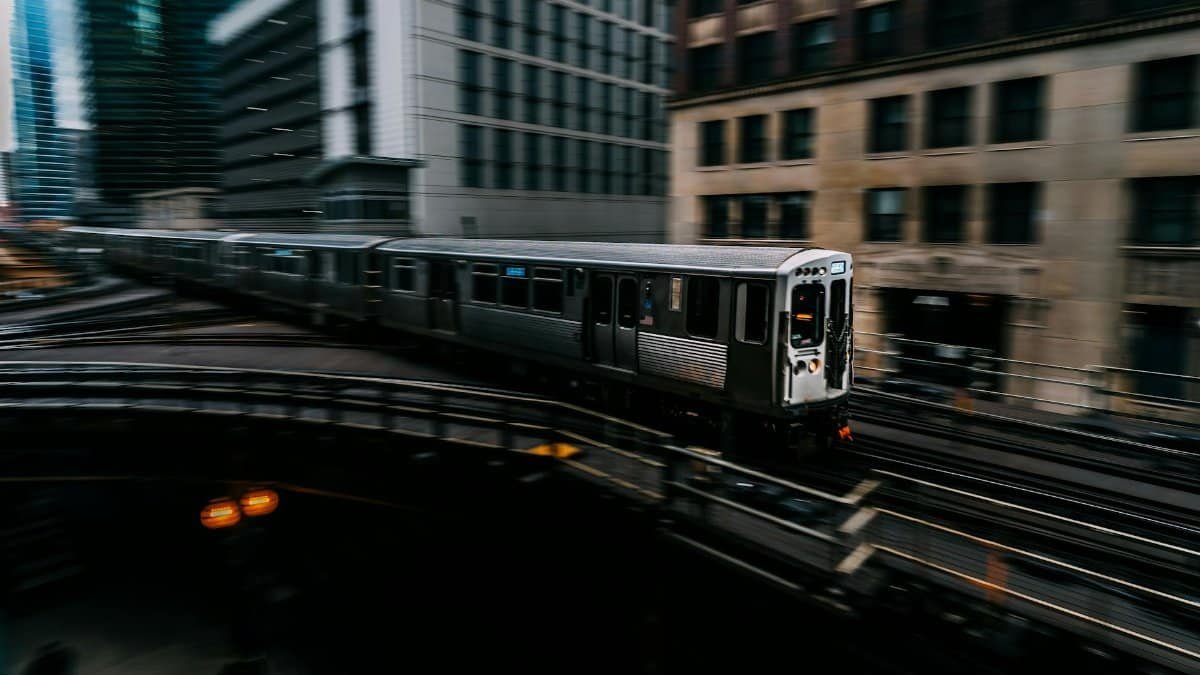
The St. Louis experiment could have ripple effects far beyond Missouri’s borders. As urban centers across the U.S. grapple with overcrowded, noisy transit systems, initiatives like this offer a potential blueprint for change. Studies from organizations like the American Public Transportation Association highlight the growing demand for rider-focused innovations. If successful, Missouri’s calm cars might inspire other states to rethink how transit can support mental health, turning a mundane commute into a moment of respite.
Challenges and Questions Ahead

While the early data is encouraging, challenges remain. Can the calm cars accommodate peak-hour crowds without losing their serene atmosphere? Will the $2 million investment prove sustainable if ridership doesn’t grow? These questions linger as the pilot progresses. Additionally, some commuters may resist the concept, preferring traditional train cars for their familiarity or functionality. The six-month review will need to address these concerns to ensure the program’s long-term success in a practical transit landscape.
Context in National Wellness Trends

Missouri’s initiative aligns with a broader push for wellness in public spaces across the U.S. in 2025. From mindfulness programs in schools to quiet zones in airports, Americans are increasingly seeking stress relief in everyday environments. Research from institutions like the National Institutes of Health underscores the link between mental health and daily stressors like commuting. By integrating calming features into MetroLink, Missouri is tapping into this cultural shift, potentially setting a precedent for how transit systems can contribute to public well-being.