

In the hushed atmosphere of a suburban library a man approached the woman who had once graded his essays with meticulous care. He was 37 years old now a professional with his own life story. She had retired a few years earlier yet her presence still carried the echo of authority from his high school days. The former student teacher first name seemed both inviting and fraught with uncertainty. Could he greet her as an equal or would that cross an invisible line of propriety? This scenario plays out across the country as former pupils mature and seek to redefine their relationships with those who shaped their early years. It speaks to broader questions of respect tradition and the evolution of human connections over time. When Miss Manners weighed in on a similar letter she provided clarity that resonates beyond mere etiquette. Her guidance invites us to consider not just what is proper but what fosters genuine human connection in our later years.
The Enduring Power Of Hierarchies

Educational hierarchies exist for good reason. They create structure in environments where young people need direction and knowledge. Teachers hold positions of influence that can leave lasting impressions on impressionable minds. Even as the former student teacher first name might feel natural after years have passed some cling to the titles of their youth. This tendency is not mere habit. It stems from a profound sense of indebtedness many feel toward those who helped launch them into successful careers or personal fulfillment. Nevertheless as time passes these hierarchies can begin to feel outdated. Both parties have changed. The student has become a peer in the adult world bringing his or her own expertise and wisdom. Maintaining strict formality may prevent the kind of rich dialogue that could benefit everyone involved. The challenge lies in honoring the past without letting it overshadow the present reality of two adults meeting as equals. These moments invite reflection on how power dynamics shape us long after the school bell has fallen silent.
Cultural Shifts In How We Address One Another
Over the past several decades American society has witnessed a steady move toward casual forms of address. Offices that once demanded surnames now thrive on first names alone. This change reflects deeper values of egalitarianism and approachability. In the realm of education similar transformations are underway though at a slower pace. Some universities encourage professors to invite students to use their given names while others maintain traditional titles. These variations create a landscape where individuals must navigate case by case. Regional differences play a role too with southern states often preserving more formal traditions compared to coastal areas. Global influences have also made their mark as exposure to other cultures introduces new ideas about respect and familiarity. In this evolving context the question of how to address a former teacher gains new layers of complexity. What feels right in one setting may seem out of place in another. Awareness of these cultural shifts helps former students make informed choices rather than relying solely on childhood conditioning.
Miss Manners Offers Her Guidance

The recent Miss Manners column tackled this issue head on. A reader asked whether adulthood granted permission to use his former instructors first name. The response was measured and wise emphasizing context and consent. If the teacher has explicitly invited the use of her first name then proceeding is appropriate. Absent such an invitation however it is safer to continue with the title. This advice protects the dignity of all parties. It recognizes that the teacher may cherish the formal address as a reminder of her professional legacy. The column available online at this Washington Post link provides a model of thoughtful etiquette. Rather than offering a universal rule Miss Manners encourages sensitivity to individual preferences. Her perspective aligns with a larger philosophy that etiquette should ease interactions not create additional tension. For many middle aged readers her words land as both practical and reassuring.
The Spiritual Side Of Dropping Formalities
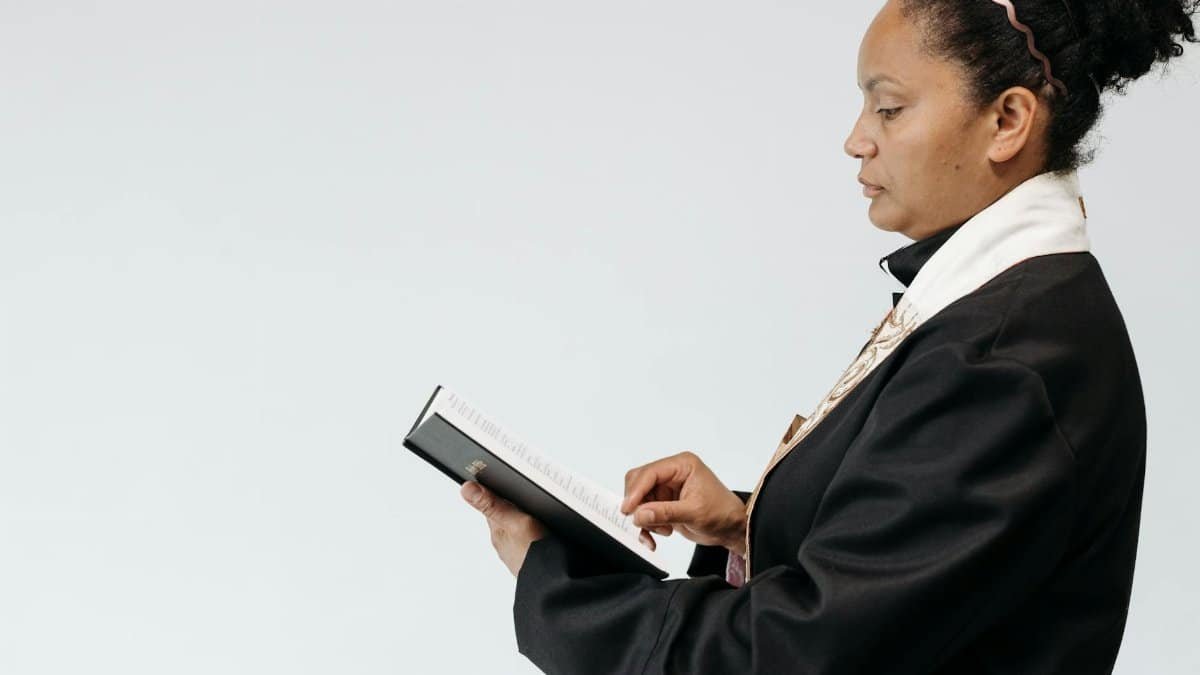
Within spiritual news and trends a growing conversation focuses on authenticity in human relationships. Many spiritual teachers today speak of transcending artificial barriers to recognize the soul in each person. From this viewpoint the former student teacher first name can represent a meaningful step toward that recognition. It signals a release from old roles and an embrace of present reality. Buddhist principles of mindfulness for instance encourage approaching each encounter fresh without the weight of history. Christian teachings on equality before God similarly suggest that titles while useful should not obscure fundamental dignity. This spiritual lens adds depth to what might otherwise seem a simple matter of manners. It transforms the decision into an opportunity for personal growth and deeper connection. As more people seek spiritual fulfillment in everyday moments these etiquette questions take on greater significance. They become part of a larger journey toward living with intention and compassion.
Stories From Those Who Made The Switch

Countless individuals have faced this crossroads and chosen to shift their form of address. One executive described meeting his elementary school principal at a charity function. After a warm conversation he asked if he might use her first name. Her delighted agreement opened the door to an ongoing friendship that enriched both their lives. Another account comes from a teacher herself who as a retired educator now insists her former students call her by name. She views it as a sign that she succeeded in her mission to prepare them for adult life. These real life experiences illustrate that there is no universal answer for the former student teacher first name. Some former students report a cool reception when they attempted the switch suggesting that preferences vary widely. The tales highlight the potential for these moments to become pivotal in ones personal narrative fostering unexpected bonds that span generations. What unites the positive stories is a shared quality of attentiveness and respect for the other persons feelings.
When Respect Takes New Forms

True respect transcends vocabulary. It reveals itself in actions and attitudes more than in titles. A former student can demonstrate profound regard by showing interest in the teachers later life pursuits or by expressing how specific lessons continue to guide daily decisions. Such gestures carry more weight than any form of address. In fact some educators find excessive formality from grown students to be a barrier to meaningful conversation. They long to engage as fellow travelers on lifes path. Others draw comfort from the continued use of titles seeing it as affirmation of their contributions. The key lies in discernment. Observing the other persons signals allows for an organic evolution of the relationship. In this way respect becomes a living practice rather than a fixed rule. It adapts to circumstances while preserving the core value of honoring one anothers worth. This evolution feels especially relevant in an era when many middle aged adults are reexamining long held assumptions about authority and connection.
The Psychology Behind Our Hesitation

Human psychology offers insights into why this issue stirs such strong feelings. Early relationships with authority figures create neural pathways that can be surprisingly persistent. Even as rational minds recognize changed circumstances emotional responses may lag behind. This phenomenon explains the uncertainty many feel when considering the switch to a first name. Research in developmental psychology suggests that these patterns are part of normal adult adjustment and contribute to how we process past influences. By bringing awareness to these reactions individuals can make more deliberate choices. Rather than being ruled by old habits they can respond from their current selves. This process of integration contributes to emotional maturity and self understanding. It also prepares one for other areas where past and present collide. The hesitation itself is not a flaw but an opportunity to reflect on personal evolution and the quiet ways teachers continue to live in our memories.
Finding Grace In Lifelong Learning
Education does not conclude with a diploma. It continues through all of lifes stages including these reunions with past mentors. Approaching such moments with humility keeps the spirit of learning alive. Former students who remain open to new lessons from their teachers often discover surprising wisdom. The teacher in turn may learn from the students journey since leaving the classroom. This reciprocal exchange embodies the best of lifelong learning. It keeps minds flexible and hearts receptive. In an age that often prioritizes speed and efficiency these gentle interactions remind us of the value of pause and presence. They affirm that every stage of life brings chances to grow wiser and more connected. Grace enters when we allow these opportunities to unfold naturally without forcing outcomes or clinging to outdated forms. Many in their middle years find particular comfort in this truth as they navigate their own evolving identities.
What The Future Holds For These Relationships

For the former student teacher first name question will likely persist but the ways people answer it may become more individualized. As generational attitudes shift and social norms continue to relax more adults may feel empowered to redefine their bonds with former educators. Technology will play a part too enabling connections that were once impossible. Social media groups for alumni already facilitate such reconnections on a large scale. What seems clear is that the impulse toward authentic relationship will endure. People crave meaningful ties that acknowledge both history and growth. The future may hold more fluid understandings of respect that honor the person behind the role. As society places greater emphasis on emotional intelligence and empathy these transitions could become smoother. Ultimately the goal remains the same fostering connections that uplift and affirm all involved while reflecting the spiritual trends that celebrate genuine presence over rigid convention.
A Gentle Reminder About Mutual Dignity

At the heart of this discussion lies a simple yet profound truth. Every person deserves to be treated with dignity regardless of the roles they once played in each others lives. This principle guides all sound etiquette. It encourages us to consider the feelings and preferences of the other before acting. Miss Manners has built her career on this foundation offering generations of readers a path through social complexities. In the case of former students and their teachers the reminder is especially pertinent. The power dynamic that once existed has shifted but the need for kindness has not. By prioritizing mutual dignity we create space for relationships that can flourish in new ways. This approach not only resolves immediate questions of address but also enriches the broader tapestry of human interaction. It is a practice that serves us well throughout our lives and speaks to the quiet wisdom available in ordinary encounters.