

In recent weeks Minnesota has become a focal point for debates over immigration enforcement and the safety of young children in community settings. Lawmakers there advanced a measure to create boundaries around how federal agents interact with local childcare providers. The discussion touches on family stability and the role of state institutions in shielding everyday routines from sudden disruptions. Against this backdrop the phrase Day Cares ICE has surfaced repeatedly in public forums as residents weigh the balance between national policy and neighborhood realities. Observers note that such proposals reflect wider concerns about how enforcement actions ripple through households that rely on stable care arrangements for working parents.
Origins of the Proposed Legislation
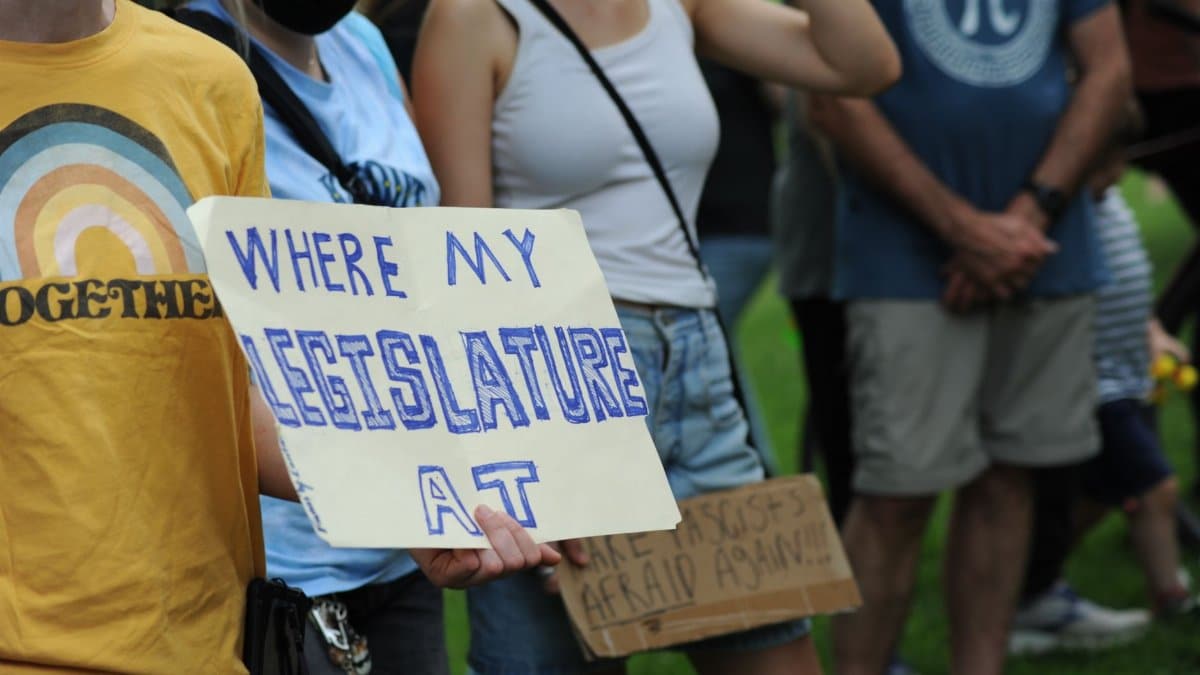
HF 3415 emerged from committee hearings that examined past incidents involving federal agents at schools and care facilities. Sponsors argued that clear state guidelines would reduce confusion among staff and parents alike. The bill outlines procedures for notification and limits on access without judicial oversight. Advocates described it as a practical step to maintain order during sensitive operations.
Effects on Local Families and Caregivers

Parents who drop off children each morning expressed relief that routines might remain uninterrupted. Many rely on these centers to hold jobs that support household finances. Caregivers reported feeling caught between professional duties and potential legal questions. The measure aims to clarify expectations so that daily operations continue without added strain.
Community Reactions Across Minnesota

Town hall meetings drew residents from urban and rural districts who shared stories of mixed immigration statuses within single families. Some voiced support for stronger state authority while others questioned whether the rules could complicate legitimate investigations. Local leaders emphasized the need for trust between agencies and the people they serve.
Legal Boundaries Between State and Federal Roles

Constitutional scholars examined how the legislation interacts with existing federal statutes on immigration. The text avoids direct conflict by focusing on state funded sites rather than overriding national authority. Attorneys general in other states have watched the developments for possible models elsewhere.
Perspectives From Child Development Experts

Researchers who study early childhood stress pointed to evidence that sudden changes in environment can affect learning and emotional growth. They noted that consistent attendance at care facilities supports cognitive progress in the early years. The bill incorporates these insights by prioritizing minimal interference during operating hours.
Comparisons With Policies in Neighboring States

Wisconsin and Iowa have considered similar limits on enforcement actions at public institutions. Minnesota version stands out for its emphasis on childcare specifically rather than broader school settings. Analysts suggest the approach could influence future sessions in Midwestern legislatures.
Potential Long Term Outcomes for Policy

If enacted the law may set precedents for how states define sanctuary like measures without using that label. Lawmakers anticipate court challenges that could reach higher levels. Success would depend on clear implementation guidelines and ongoing dialogue with federal partners.
Moral Dimensions in Public Discourse

Faith based organizations have joined the conversation by highlighting values of compassion and protection for the young. Discussions in community centers often reference shared responsibilities toward all children regardless of background. The measure invites reflection on how laws shape daily life for the most vulnerable.