
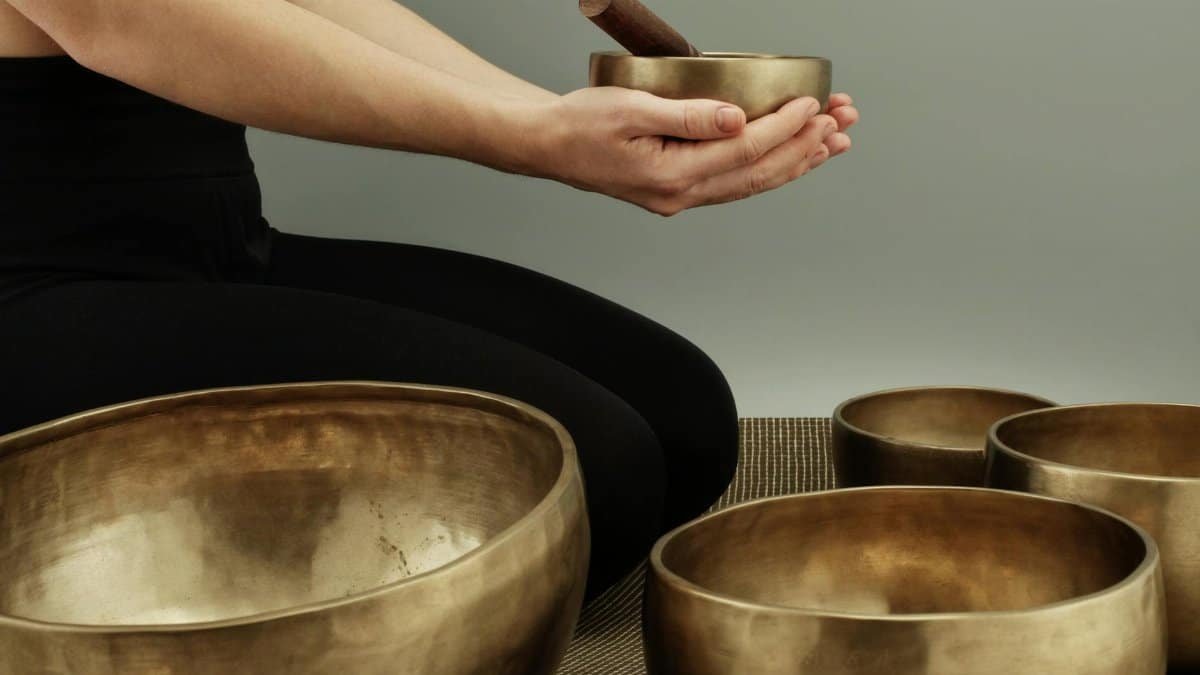
Walk down any street in Minneapolis these days, and you might notice a subtle shift. Yoga mats tucked under arms, not just heading to studios, but to sound baths in converted warehouses. Residents, long accustomed to the grind of urban life, are trading caffeine-fueled mornings for sessions with singing bowls and gongs. This isn’t a fleeting trend. It’s part of a broader embrace of sound healing, minneapolis lifestyle, stress recovery, where locals seek respite from the relentless pace. In a city known for its lakes and arts scene, people are turning inward, using vibration and resonance to unwind. One practitioner notes how these practices align with Minnesota’s communal spirit, fostering connections amid isolation. As winter drags on, these routines offer a sonic blanket against stress. But what’s driving this change? And does it really work? The answers reveal a city redefining wellness on its own terms.
The Rise of Sound Healing in the Twin Cities

Minneapolis has always prided itself on innovation, from its music heritage to its thriving wellness community. Lately, sound healing has surged into the spotlight. Studios pop up in neighborhoods like Northeast and Uptown, drawing crowds eager for alternative therapies. This growth mirrors national trends. A report from the National Center for Complementary and Integrative Health highlights how Americans increasingly turn to mind-body practices for stress management. In 2025, with remote work blurring boundaries, locals report feeling more frazzled than ever.
Consider a typical evening class. Participants lie on mats as a facilitator strikes crystal bowls, sending waves of sound through the room. The air hums with low frequencies. One attendee, a marketing executive in her forties, shared how these sessions replaced her evening wine ritual. “It quiets the noise in my head,” she said. This isn’t isolated. Online discussions often reveal similar shifts, with one recent account describing a sense of renewal after just a few sessions, like shedding an old skin.
Yet, this rise isn’t without context. The pandemic accelerated interest in home-based wellness, and Minneapolis’s cold winters make indoor activities appealing. Practitioners adapt ancient techniques to modern needs, blending Tibetan traditions with local flair. The result? A vibrant scene that’s as much about community as it is about healing.
Defining Sound Healing Basics
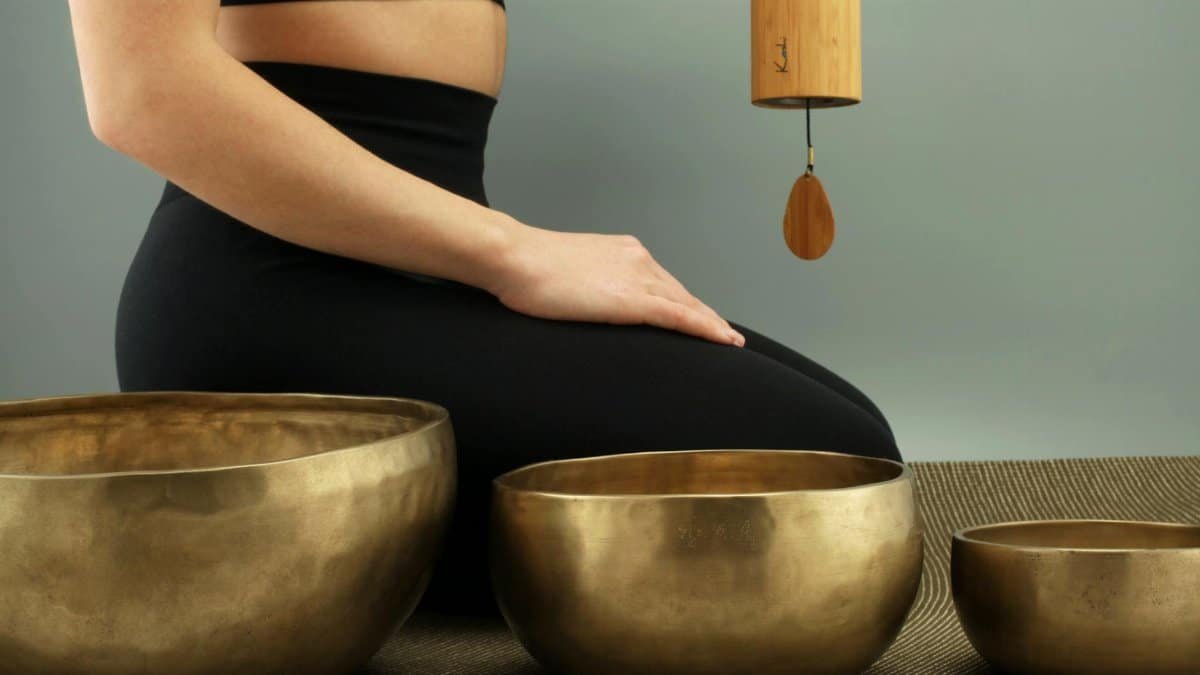
At its core, sound healing uses vibrations from instruments like gongs, tuning forks, or even the human voice to promote relaxation and balance. It’s not new—roots trace back to indigenous cultures worldwide. In Minneapolis, it’s tailored to urban stressors, helping with everything from anxiety to sleep issues.
Dive into a session, and you might feel the bass resonate in your chest. Facilitators explain it as aligning the body’s energy. Skeptics call it pseudoscience, but proponents point to emerging research. A study from the University of California, San Diego, explored how sound waves affect brain activity, showing potential for reducing cortisol levels.UC San Diego Health Study.
What sets it apart in the Twin Cities? Here, it’s often paired with yoga or meditation, creating hybrid experiences. One local studio incorporates Midwestern elements, like sounds mimicking lake waves, to ground participants in their environment.
Blending Sound into Everyday Minneapolis Life

Imagine starting your day not with a blaring alarm, but with a gentle chime from a phone app simulating singing bowls. That’s the reality for many in Minneapolis, weaving sound healing into routines amid commutes and coffee runs. It’s about integration, not isolation.
Take Sarah, a fictional composite based on real accounts—a teacher who swapped her stressful lunch breaks for quick sound meditations via headphones. “It resets me,” she explains. This fits the minneapolis lifestyle, where efficiency meets mindfulness. Parks like Minnehaha become impromptu spots for group sessions, blending nature with acoustics.
Trends show this blending is key to stress recovery. With the city’s emphasis on work-life balance, sound practices offer quick wins. A Pew Research survey notes rising interest in holistic health among Midwesterners, up 15% since 2020.Pew Research on Health Trends.
Of course, not everyone dives in fully. Some start small, adding ambient tracks to evening walks along the Mississippi.
How Sound Aids Stress Recovery
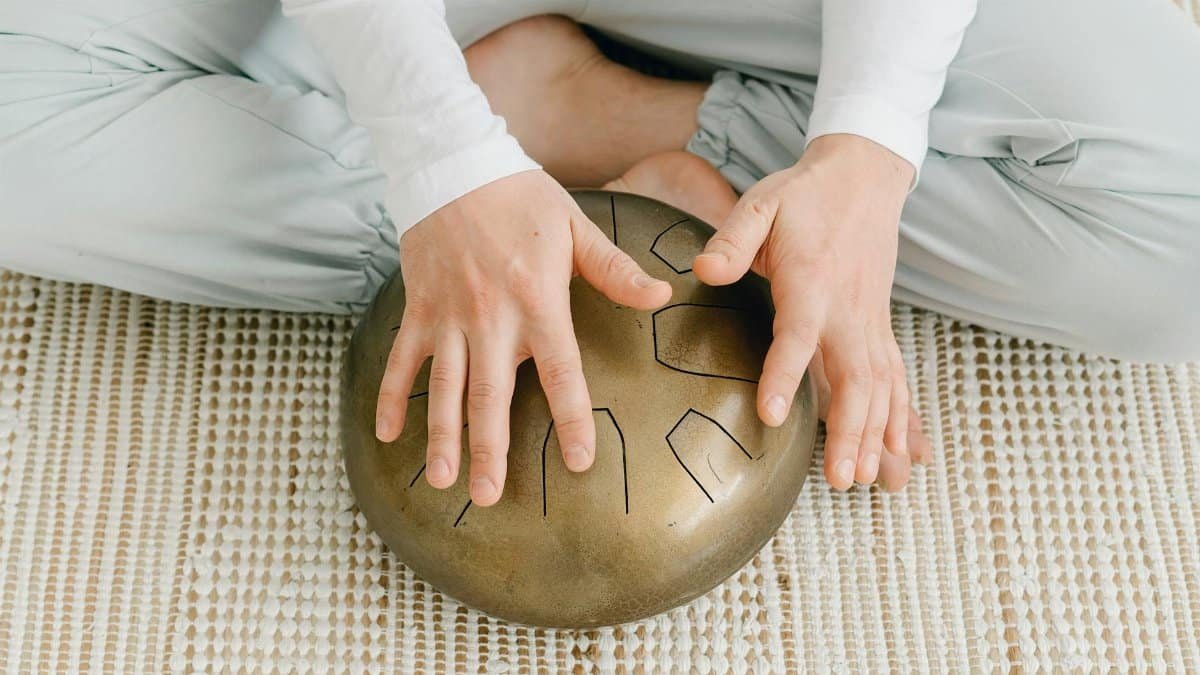
Stress in Minneapolis can feel amplified by seasonal affective disorder and urban hustle. Sound healing steps in as a tool for recovery, promoting parasympathetic responses that calm the nervous system. It’s like hitting a reset button.
Research backs this. The National Institutes of Health funded studies showing sound therapy’s role in lowering blood pressure and improving mood. One trial involved participants exposed to binaural beats, resulting in measurable relaxation.NIH Study on Sound Therapy.
Locals share vivid stories. A group of friends, meeting weekly for sound circles, describe it as communal therapy. One reflected on how the vibrations eased post-work tension, turning exhaustion into clarity. Yet, it’s not a cure-all. Experts caution combining it with professional care for deeper issues.
Spotlight on Local Practitioners and Studios

In the heart of Minneapolis, studios like those in the North Loop buzz with activity. Practitioners, often trained in multiple modalities, guide sessions with precision. One, a former musician, uses her background to curate immersive experiences.
These spaces vary—from cozy lofts to larger venues hosting events. They cater to diverse crowds, including middle-aged professionals seeking balance. A visit reveals dim lights, cushions, and an array of instruments. “It’s about creating safety,” one facilitator says.
Community events amplify this. Free outdoor sessions in summer draw hundreds, fostering connections. This ties into the city’s collaborative ethos, where sound healing becomes a social balm.
Real Stories from Minneapolis Residents

Meet John, a 52-year-old engineer who discovered sound healing after a burnout episode. “I was skeptical,” he admits, “but after one gong bath, I slept like a baby.” His story echoes many: a shift from doubt to devotion.
Another resident, a nurse navigating shift work, incorporates daily sound routines for stress recovery. She describes the relief as palpable, like waves washing away fatigue. These anecdotes highlight sound healing’s role in minneapolis lifestyle, turning abstract concepts into tangible benefits.
Variety abounds. Some prefer private sessions; others thrive in groups. What unites them? A quest for equilibrium in a demanding world.
Balancing Science and Skepticism

While enthusiasm grows, questions linger. Is sound healing evidence-based or just feel-good? Studies offer clues. Harvard Medical School’s research on vibration therapy suggests benefits for chronic pain and anxiety.Harvard Health on Vibration Therapy.
Critics argue placebo effects dominate. Yet, even they acknowledge the relaxation response is real. In Minneapolis, this debate fuels informed choices. Practitioners encourage experimentation, blending intuition with data.
Tensions arise when claims overreach. Responsible voices emphasize it’s complementary, not a standalone fix.
Challenges in Adopting Sound Routines
Not every attempt sticks. Accessibility poses issues—sessions can cost $20 to $50, pricing out some. Time constraints in busy schedules add hurdles.
Misconceptions abound, like assuming it’s only for the “woo-woo” crowd. One newcomer felt out of place initially but found the community welcoming. Overcoming these requires patience.
Adapting to the sensory intensity can overwhelm. Start slow, experts advise, perhaps with recorded sessions at home.
Getting Started: Practical Tips
Ready to try? Begin with free online resources or apps offering guided sound meditations. Local libraries sometimes host introductory workshops.
Invest in simple tools—a tuning fork or bowl. Attend a class to learn proper use. Consistency matters; aim for short daily practices.
Track progress. Journal how sessions affect your stress levels. In time, it becomes a seamless part of minneapolis lifestyle.
Looking Ahead: Sound Healing’s Place in Minneapolis
As 2025 unfolds, sound healing seems poised to deepen its roots. With wellness tourism rising, the city could become a hub. Innovations like tech-integrated sessions—apps syncing with smart devices—promise accessibility.
Challenges remain, but the momentum is clear. Residents continue swapping old habits for these resonant routines, finding harmony amid the hum of city life.