
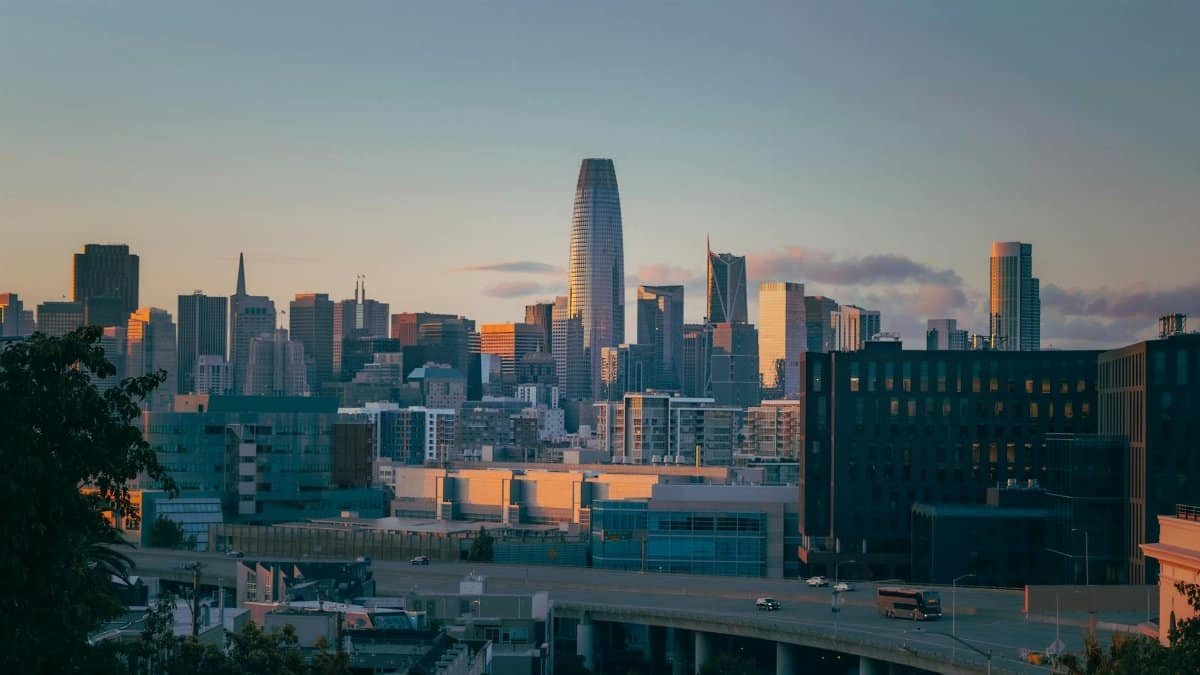
Walk down any bustling street in San Francisco these days, and you might spot clusters of people pausing amid the tech hustle. They’re not just checking notifications. Many seek a deeper reset through mindfulness practices. This shift ties into what experts call presence awareness clarity, a state where individuals tune into the now with sharp focus and emotional insight. It’s gaining traction as burnout rises in the city’s high-pressure workplaces. A recent report highlights how locals increasingly turn to workshops for this mental edge. With remote work blurring boundaries, more residents crave tools to stay grounded. As 2025 approaches, forecasts predict a surge in these sessions, driven by growing public interest in mental wellness. This isn’t mere trendiness. It reflects a broader push for balance in a city known for innovation and stress.
The Roots of Presence Awareness Clarity in Urban Life
San Francisco has long been a hub for self-improvement movements. Think back to the 1960s, when counterculture figures flocked to the Bay Area, experimenting with meditation and Eastern philosophies. Presence awareness clarity builds on that legacy, blending mindfulness with cognitive techniques to foster a clear, attentive mindset. It’s not about emptying the mind entirely. Instead, practitioners learn to observe thoughts without judgment, gaining clarity amid chaos.
One local instructor, speaking anonymously, described it this way: “It’s like cleaning a foggy window. Suddenly, you see the view clearly.” This resonates in a place where fog literally rolls in daily. Recent data from the Greater Good Science Center at UC Berkeley supports this. Their studies show mindfulness practices can reduce anxiety by up to 30 percent in urban dwellers. For San Franciscans juggling startups and side gigs, such clarity offers a lifeline.
Yet tensions arise. Not everyone buys into it. Skeptics argue it’s just repackaged self-help for the elite. But workshops are democratizing access, popping up in community centers and online platforms. A brief snapshot: Picture a group in Golden Gate Park, sitting cross-legged as a guide leads them through breathing exercises. One participant, a software engineer, later shared feeling “anchored” for the first time in months. This personal shift mirrors wider trends, where clarity becomes a tool against digital overload.
Workplace Stress Fueling the Demand

Corporate life in San Francisco amplifies the need for mental tools. Tech giants dominate, with employees facing relentless deadlines and innovation pressures. Presence awareness clarity steps in as a counterbalance. Companies like Google have integrated mindfulness programs, recognizing how it boosts productivity and reduces turnover.
A study from the National Institutes of Health underscores this. Researchers found that mindfulness training improves focus and emotional regulation in high-stress jobs.NIH Study on Mindfulness and Stress. In the Bay Area, where burnout rates hover above national averages, workshops are exploding. Forecasts for 2025 suggest a 40 percent increase in corporate-sponsored sessions.
Dive into a typical scene. An office in SoMa hosts a lunchtime workshop. Participants close their eyes, guided to notice their breath. One attendee, a project manager, emerges saying it helped her navigate a heated meeting later that day. Such stories highlight the practical side. Still, challenges persist. Not all employers prioritize wellness, leaving many to seek out independent classes. This gap drives the surge, as individuals take charge of their mental health.
Community and Cultural Shifts in the Bay Area

Beyond offices, San Francisco’s diverse neighborhoods foster this mindfulness boom. From the Mission District’s vibrant arts scene to the serene Presidio trails, spaces for reflection abound. Presence awareness clarity fits seamlessly, encouraging people to engage fully with their surroundings.
Online discussions often reveal a common thread. One recent account shared publicly described the frustration of constant distractions, then the relief of gaining clarity through simple awareness exercises. It struck a chord, echoing sentiments from forums where users swap tips on staying present.
Cultural events amplify this. Festivals like the Mindful Living Expo draw crowds eager for workshops. Data from Pew Research shows that 55 percent of U.S. adults now practice some form of meditation, up from a decade ago.Pew Research on Meditation Practices. In San Francisco, that figure likely climbs higher, fueled by the city’s progressive ethos.
Yet, not all shifts are smooth. Some communities feel excluded, viewing mindfulness as a luxury. Efforts to include underserved groups, like free sessions in public libraries, aim to bridge this. A volunteer coordinator noted how these programs build community resilience, one mindful breath at a time.
Technological Influences on Modern Practices

Ironically, the tech capital is using apps to promote unplugging. Tools like Headspace and Calm offer guided sessions on presence awareness clarity, making it accessible from smartphones. This fusion raises questions. Does tech enhance or dilute the experience?
Experts weigh in. A report from Stanford University’s Human Sciences and Technologies Advanced Research Institute explores how digital mindfulness aids focus.Stanford H-STAR Institute. Their findings suggest apps can serve as entry points, leading users to in-person workshops.
Consider a young developer in the city. She starts with a five-minute app meditation, then joins a local group. The transition builds her clarity, helping her code with renewed sharpness. But critics point out screen fatigue. Workshops emphasize analog methods, like journaling or nature walks, to counter this. As 2025 unfolds, hybrid models may dominate, blending virtual and real-world elements for broader reach.
Health Benefits Backed by Science

The appeal isn’t just anecdotal. Science backs the surge. Presence awareness clarity correlates with lower cortisol levels and better sleep, vital in a city of insomniacs.
The Centers for Disease Control and Prevention reports rising mental health concerns post-pandemic.CDC on Mental Health and Stress. Mindfulness interventions, including those targeting awareness and clarity, show promise in alleviating symptoms.
A deeper look reveals nuances. For some, it’s transformative; for others, a subtle shift. One study participant recounted emerging from a workshop with “crystal-clear priorities,” reshaping her daily routine. Such outcomes drive demand, with health providers recommending these practices alongside therapy.
Still, it’s not a cure-all. Integrating it with professional care ensures balanced approaches. In San Francisco, clinics increasingly partner with workshop leaders, creating holistic wellness networks.
Challenges and Criticisms of the Mindfulness Wave

No trend escapes scrutiny. Presence awareness clarity faces backlash for being overhyped or commercialized. Workshops can cost upwards of $100 per session, pricing out many.
Critics argue it’s a Band-Aid for systemic issues like inequality and overwork. A balanced view acknowledges this. While not solving everything, it empowers individuals to navigate pressures.
Real-life tensions surface. Imagine a low-wage worker attending a free session, only to return to a grueling shift. Does clarity help, or highlight injustices? Discussions in local meetups grapple with this, pushing for inclusive reforms.
Forecasts for 2025 predict evolution. More affordable, community-led options may emerge, addressing criticisms head-on.
Personal Stories of Transformation

Stories bring the concept alive. Take Elena, a fictional composite based on common experiences. A marketing executive, she stumbled into a workshop after a panic attack. Through exercises in presence, she gained clarity on her stressors.
Months later, she leads her own small groups. “It’s about showing up fully,” she says. Such narratives inspire others, fueling the surge.
Another angle: A retiree in the Castro finds solace in daily practices, easing loneliness. These vignettes show versatility, from youth to elders.
Looking Ahead to Broader Impacts

As workshops proliferate, their ripple effects could reshape San Francisco. Schools might adopt programs, teaching kids early awareness. Public policy could follow, with city initiatives promoting mental wellness.
Trends point to integration in unexpected areas, like urban planning for mindful spaces. Presence awareness clarity might redefine community bonds, fostering empathy in a divided world.
Yet, sustainability matters. Will the surge last, or fizzle like past fads? Early signs suggest depth, rooted in genuine needs.
Practical Steps for Getting Involved
Curious readers can start small. Attend a free intro session at places like the San Francisco Zen Center. Or try apps for guided clarity exercises.
Build habits gradually. Set aside five minutes daily to focus on breath and surroundings. Join local groups for accountability.
Resources abound. Books like “Wherever You Go, There You Are” by Jon Kabat-Zinn offer foundations. As interest grows, so do opportunities.
The Role of Educators and Leaders

Instructors shape this movement. Certified teachers, often with psychology backgrounds, guide participants toward clarity.
Training programs emphasize ethics, ensuring inclusive teaching. Leaders like those at the Mindfulness-Based Stress Reduction program set standards.MBSR Program Overview.
Their influence extends, training corporate facilitators and community volunteers.
Economic Factors Driving the Surge

Money talks in the Bay Area. The wellness industry, valued at billions, sees mindfulness as a growth sector.
Investments pour in, funding new studios. A report from the Global Wellness Institute predicts continued expansion.Global Wellness Institute.
This economic push ensures accessibility, though it risks commodification.
Cultural Diversity in Practice
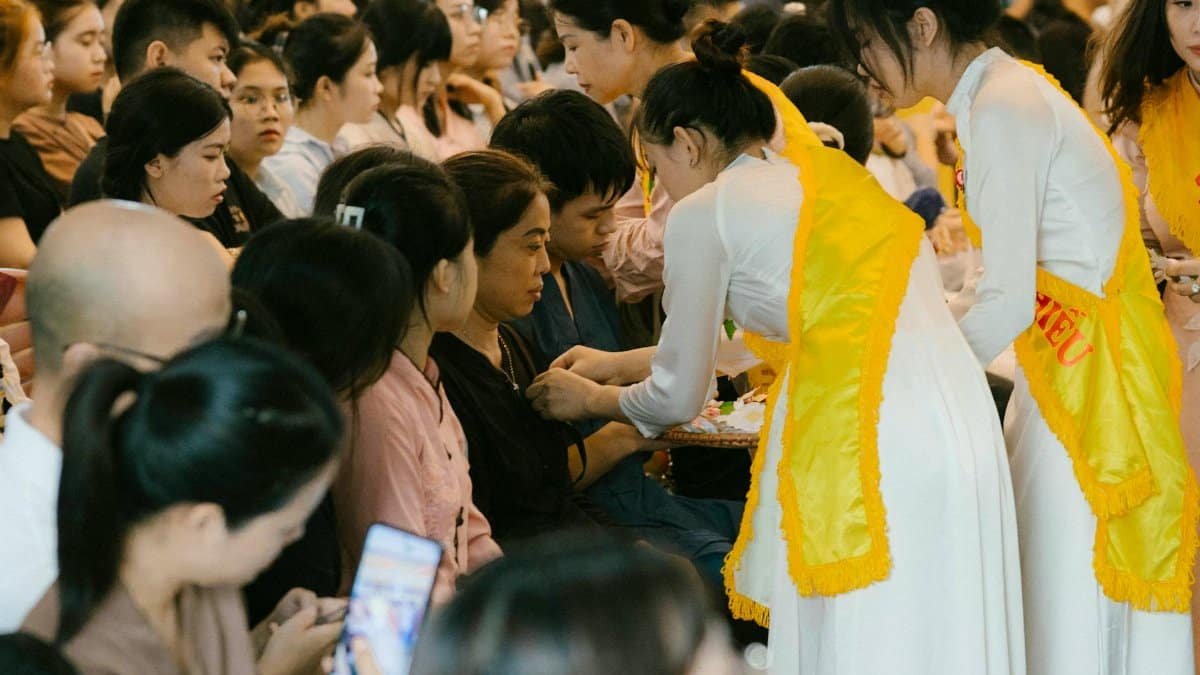
San Francisco’s melting pot enriches mindfulness. Immigrant communities blend traditions, from yoga to tai chi, enhancing presence awareness clarity.
Workshops adapt, incorporating multicultural elements for broader appeal.
This diversity strengthens the movement, making it resilient and inclusive.
Measuring Success and Outcomes

How do we gauge impact? Metrics like reduced stress scores and improved well-being surveys provide clues.
Longitudinal studies track participants, showing sustained benefits. As data accumulates, it validates the surge.
Potential Drawbacks to Consider

Over-reliance on mindfulness can lead to avoidance. Experts warn against using it to ignore real problems.
Balance is key. Combine clarity with action for true change.
Community Building Through Workshops
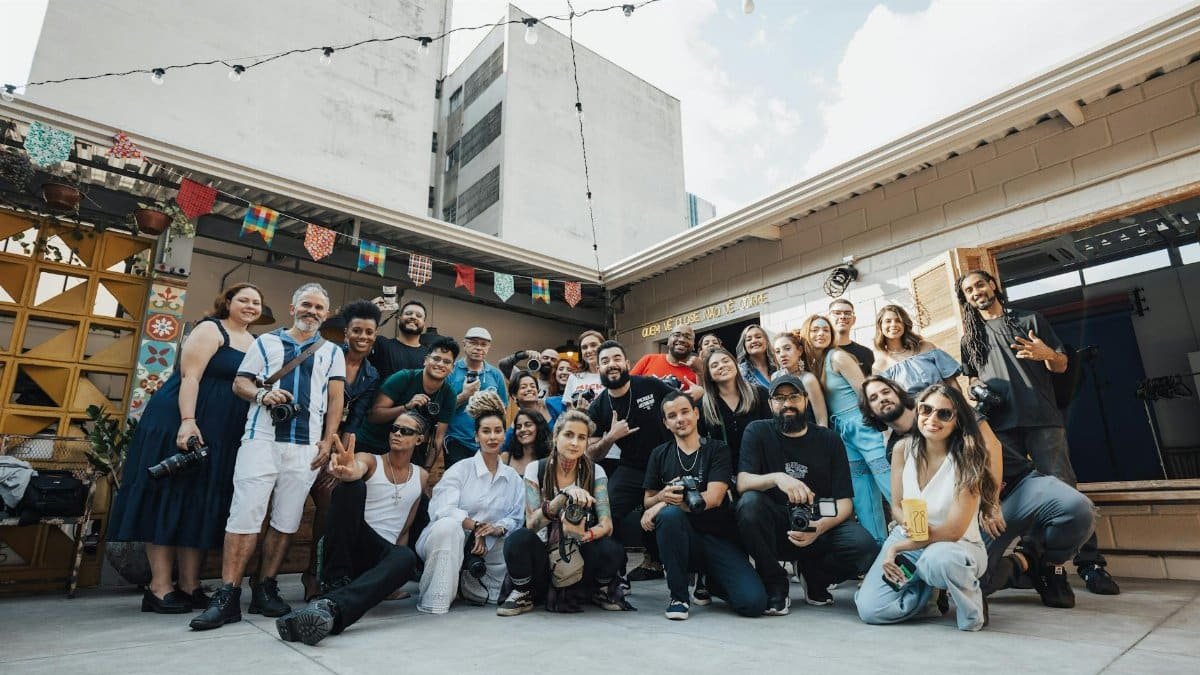
Sessions foster connections. Strangers become allies, sharing experiences in safe spaces.
This social aspect combats isolation, a modern plague in urban settings.
Final Reflections on the Horizon
San Francisco stands at a mindfulness crossroads. With workshops set to surge in 2025, presence awareness clarity promises a clearer path forward. It invites residents to pause, reflect, and engage more deeply with life.