
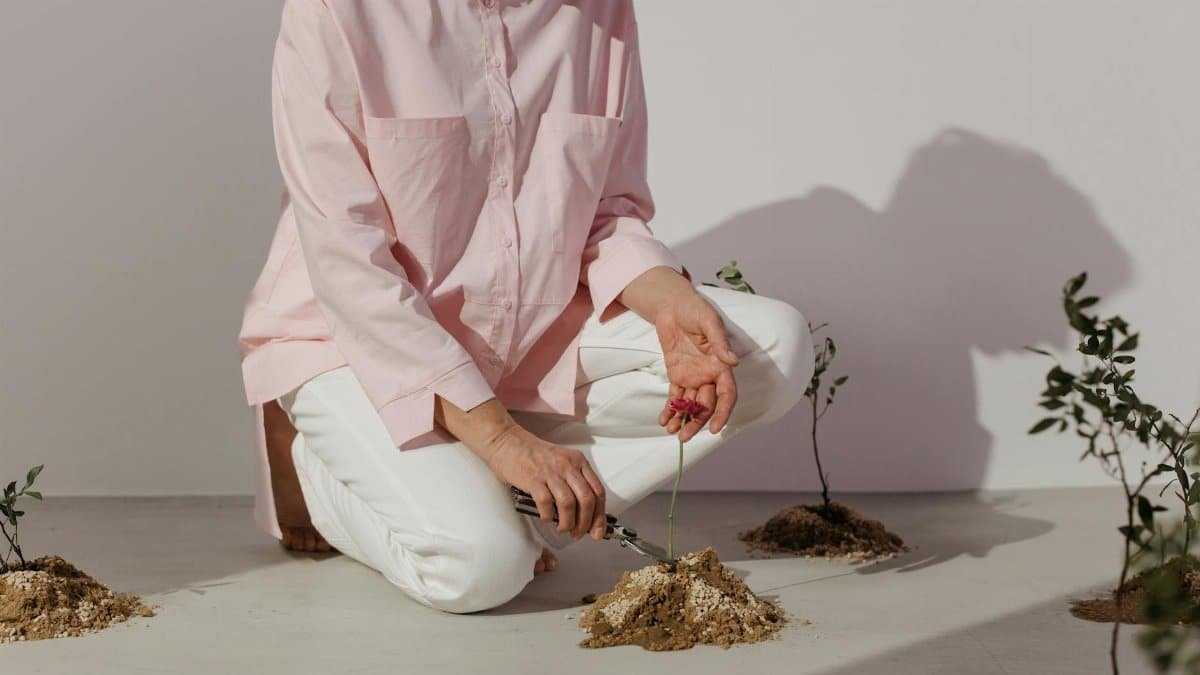
In the shadow of towering skyscrapers, where the hum of traffic never ceases, Sarah Jenkins, a 52-year-old marketing director from Chicago, found an unlikely sanctuary. Each evening after grueling board meetings, she retreated to her modest rooftop plot, kneeling amid tomato vines and basil leaves. There, amid the quiet rhythm of watering and pruning, she discovered mindfulness gardening stress relief—a practice that melted away the knots of anxiety built up over endless deadlines. As urban life accelerates into 2026, with remote work blurring boundaries and global uncertainties lingering, more Americans are turning to soil-stained hands for solace. This gentle fusion of horticulture and meditation promises not just prettier yards, but profound inner peace.
The Science Linking Soil to Serenity

Researchers have pinpointed why digging in the dirt feels so restorative. A 2023 study from the University of Aarhus in Denmark revealed that interacting with soil microbes triggers anti-inflammatory responses in the brain, reducing cortisol levels by up to 20 percent after just 20 minutes of gardening. Participants reported calmer minds and sharper focus compared to those engaging in indoor activities. This microbiome effect, often called the “hygiene hypothesis” in reverse, underscores how nature recalibrates our stress systems. For mindfulness gardening stress relief, the key lies in presence: feeling the earth’s texture, inhaling fresh scents, and observing growth cycles without distraction. Experts like those at the American Horticultural Therapy Association affirm these findings, noting gardening outperforms many digital wellness apps in sustaining long-term calm.
Historical Roots in Eastern Traditions

Mindful gardening traces back centuries to Zen monasteries in Japan, where raking gravel gardens embodied wabi-sabi, the beauty of imperfection. Monks practiced zazen amid cherry blossoms, cultivating patience as plants did. This philosophy migrated westward during the 20th century counterculture, influencing figures like Alan Watts, who extolled gardening as a path to enlightenment. Today, in 2026, it resonates amid burnout epidemics. The Guardian’s gardening blog highlights how these ancient methods adapt to modern plots, blending tradition with backyard reality for accessible stress relief.
Simple Techniques to Start Today
Begin with breath synced to tasks: inhale as you pull a weed, exhale as you pat soil. Avoid multitasking; let thoughts drift like clouds. A five-minute ritual of touching leaves mindfully can anchor wandering minds. Certified horticultural therapist Maria Gonzalez recommends “sensory scans”: note colors, textures, even insect hums. These micro-practices build into mindfulness gardening stress relief, transforming chores into ceremonies. No sprawling estate required—a windowsill herb garden suffices for harried parents or retirees.
Urban Adaptations for City Dwellers

In dense metropolises like New York or Los Angeles, community gardens flourish as stress antidotes. Balconies overflow with pots, vertical farms sprout on fire escapes. A 2025 report from the Urban Green Council found that city gardeners sleep 45 minutes longer nightly, attributing it to evening rituals that unplug from screens. Innovations like hydroponic kits make mindfulness gardening stress relief feasible in apartments, where LED lights mimic sunlight and apps guide growth phases. These pockets of green pierce concrete jungles, fostering resilience against noise pollution and isolation.
Real Stories of Transformation

Take David Ruiz, a 48-year-old veteran from Atlanta, who battled PTSD through VA-sponsored plots. “The garden doesn’t judge,” he shares. “It just grows.” His cortisol dropped 30 percent, per medical checks. Similarly, corporate lawyer Elena Patel credits her allotment for surviving a merger frenzy. These anecdotes echo surveys: 78 percent of practitioners feel less overwhelmed. Mindfulness gardening stress relief shines in personal narratives, proving its power beyond labs.
Gardening Outshines Other Remedies
Compared to yoga or journaling, gardening engages all senses tangibly. A comparative trial published in the Journal of Health Psychology (https://journals.sagepub.com/doi/full/10.1177/13591053211036181) showed gardeners sustained mood lifts longer than meditators. Unlike gym sessions, which spike then crash endorphins, plants offer steady progress mirroring emotional healing. For middle-aged readers juggling careers and families, this low-impact alternative trumps high-intensity options.
Embracing Seasonal Rhythms

Spring planting mirrors renewal, fall harvests teach release. Mindfulness amplifies these: observe buds unfurling as metaphors for patience. Winter dormancy invites reflection, prepping for rebirth. This cyclical wisdom builds emotional buffers against life’s unpredictability. In 2026, with climate shifts, adaptive gardeners like those in permaculture circles find deeper stress relief through resilient varieties.
Essential Tools for Mindful Growers
Invest in ergonomic trowels, kneeling pads, and journals for noting observations. Choose low-maintenance plants: lavender for calming scents, succulents for forgiving care. Apps like GardenMind track progress with gentle reminders, enhancing presence without overwhelming. Beginners thrive with these, turning novices into devotees of mindfulness gardening.
Tech Meets Tradition in 2026

Smart sensors monitor soil moisture, freeing minds for meditation. VR garden simulations aid apartment dwellers, though purists prefer real earth. Startups blend AI coaching with horticulture, personalizing routines. Yet, the essence remains analog: hands in soil trump holograms for true relief.
Sustainability as a Stress Buffer

Eco-friendly choices like native plants and composting deepen satisfaction, aligning action with values. Knowing your garden sequesters carbon adds purpose. This holistic approach extends mindfulness gardening stress relief into planetary care, easing existential worries.
The Future of Green Therapy
By 2030, experts predict workplace gardens and prescribed plots via apps like CalmSoil. Policymakers eye urban farms for public health. For now, anyone can claim this ultimate stress-reliever. As Sarah Jenkins notes, “In a world racing forward, the garden pulls you back to now.” Start small; the soil awaits.