
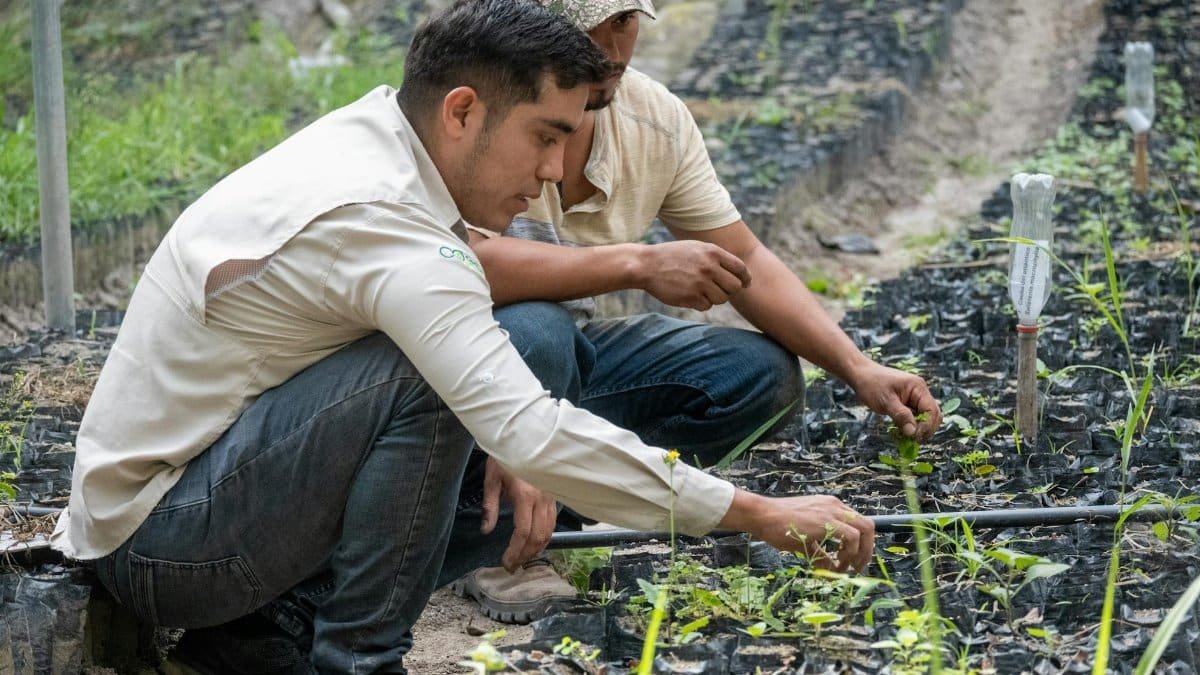
In the rolling fields of central Iowa a farmer pauses to scoop up a handful of rich dark soil. He lets it sift through his fingers noting its crumbly structure and earthy scent. This simple act represents a profound change taking place across the Midwest where generations of intensive agriculture had left the ground worn and less productive. Today many are turning to sustainable farming midwest approaches that prioritize soil regeneration over short term gains. These methods promise not only better harvests but a renewed connection to the land itself. The movement has gathered momentum in recent years as evidence mounts about the limitations of conventional techniques and the advantages of working with nature.
Farmers are not only improving their own livelihoods but also contributing to larger goals such as cleaner water and carbon sequestration. It is a story of adaptation and hope in a region known for its agricultural productivity.
Understanding The Degradation Of Midwest Soil

For too long the drive for maximum production encouraged practices that depleted the very foundation of agriculture. Soil in the Midwest suffered from constant tillage which broke down its structure and left it exposed to wind and rain. The result has been a steady loss of organic material and microbial life essential for healthy plant growth. Studies indicate that some regions have seen organic matter levels drop by more than half over the past century. A report from the University of Wisconsin provides detailed analysis of these trends across multiple counties. (https://www.wisc.edu/soilhealthreport2023)
This degradation contributes to increased runoff of nutrients into waterways fueling algal blooms in the Great Lakes and Mississippi River system. It also makes farms less resilient to extreme weather which is becoming more common. Without intervention the capacity of the land to support abundant crops could diminish further threatening both food security and rural economies. Restoration therefore is not a luxury but a necessity for the long term prosperity of the heartland.
How Cover Crops Protect And Nourish The Land
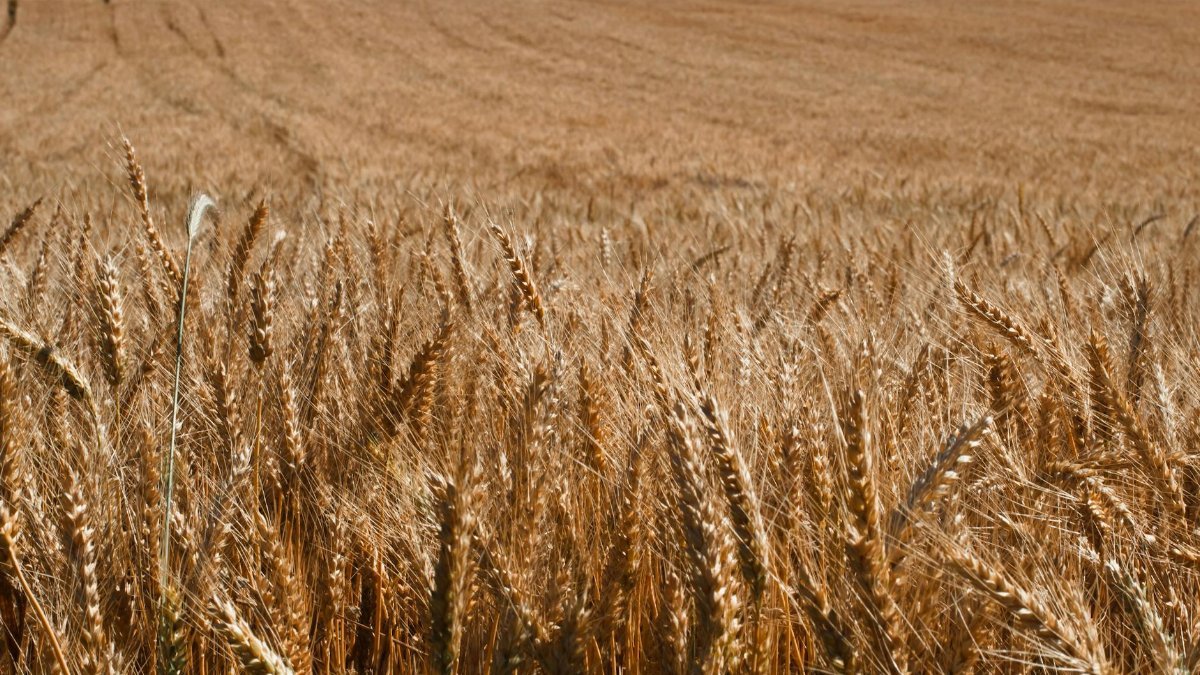
Cover crops have emerged as a cornerstone of sustainable farming midwest. By planting vegetation during what used to be the off season farmers prevent erosion capture residual nutrients and foster biodiversity. When these plants are terminated in spring they contribute substantial biomass that feeds the soil food web. Different species offer various benefits. Grasses build structure while legumes fix nitrogen from the air reducing the need for commercial fertilizers.
Sarah Kline who operates a family farm in Indiana says the difference is striking. Her fields no longer wash away during heavy rains and she has cut her nitrogen applications by nearly a third. The practice requires adjustment in timing and equipment but the rewards compound over years as the soil becomes more alive and responsive. Neighbors have taken notice and some have begun their own experiments after seeing the results on her property. This organic spread of ideas is accelerating the adoption rate across the region.
Economic Advantages For Farm Operations
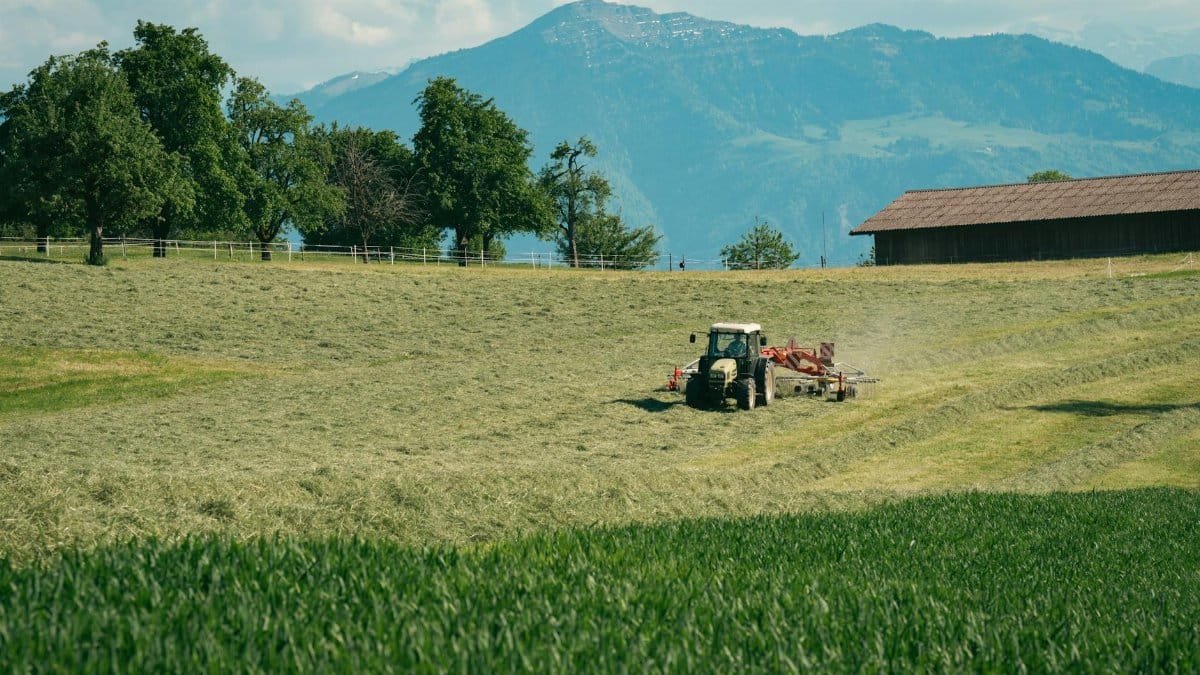
While some assume that sustainable methods reduce profitability the opposite often proves true over time. Lower input costs for fuel fertilizer and pesticides can improve bottom lines. In addition healthier soil tends to produce more consistent yields even in variable weather conditions. Data from the Practical Farmers of Iowa demonstrates that participants in their programs have seen input costs decrease by an average of 25 percent after three years of transition. (https://practicalfarmers.org/economicstudy)
These savings provide a buffer against volatile commodity prices and help ensure the economic viability of family farms for the next generation. Moreover some buyers are willing to pay premiums for crops grown using regenerative methods creating new revenue streams. The combination of reduced expenses and potential price advantages makes a compelling case for change even for those who prioritize financial considerations above all else.
Reducing Dependence On Synthetic Chemicals

Conventional agriculture in the Midwest has relied heavily on synthetic fertilizers and herbicides. Sustainable approaches seek to minimize or replace these with natural processes. Crop rotation and the integration of livestock grazing are two strategies that build fertility without relying on external inputs. This not only cuts costs but also reduces the risk of chemical residues in food and water supplies. Farmers report that as the soil health improves pest pressure often decreases because a balanced ecosystem keeps problematic species in check.
Entomologists have noted increases in beneficial insect populations on farms using these methods which in turn provide natural pest control. This creates a virtuous cycle that further decreases the need for interventions. Public health experts applaud the development because it means fewer toxins entering the environment and potentially the human body.
Building Networks Of Support And Learning

Transitioning to new ways of farming can feel isolating without proper support. Fortunately cooperatives extension services and nonprofit organizations have stepped up to offer workshops field days and mentoring programs. These networks allow experienced practitioners to share what works and what does not in the specific conditions of the Midwest. Online forums and social media groups supplement these in person gatherings allowing for continuous dialogue and problem solving.
The exchange of knowledge accelerates adoption and helps troubleshoot common problems such as weed management during the first few seasons. Many participants express gratitude for the sense of community that develops around these efforts. It transforms what could be a solitary endeavor into a collective journey toward better stewardship.
The Spiritual Dimension Of Land Stewardship
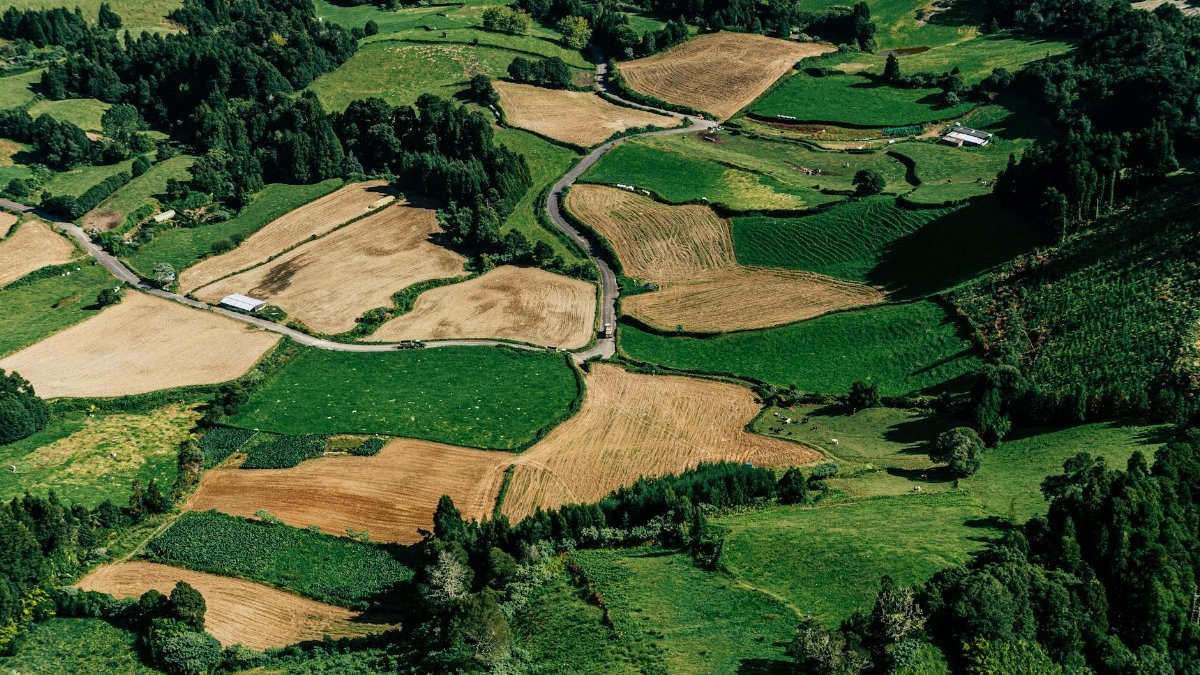
Beyond the measurable outcomes many farmers describe a spiritual awakening associated with sustainable farming midwest. They speak of a renewed sense of purpose that comes from working in harmony with natural systems rather than attempting to dominate them. For some this aligns with religious teachings about caring for creation. Church groups have even organized pilgrimages to exemplary farms to discuss the intersection of faith and agriculture. Others experience it as a form of mindfulness observing the subtle changes in soil and wildlife throughout the seasons and finding peace in that attentiveness.
Tom Hargrove the Iowa farmer mentioned earlier says he feels more connected to his ancestors and to future generations when he leaves the land better than he found it. This perspective brings a deep satisfaction that transcends financial considerations and reminds us that agriculture is as much about values as it is about production. In an increasingly fragmented world this connection to place and purpose stands out as particularly meaningful.
Challenges Farmers Face In The Transition
Adopting sustainable practices is not without hurdles. Initial yields may dip as the soil biology rebuilds itself. There is a learning period required to master new techniques and the right equipment can be expensive to acquire. Access to markets that reward environmental stewardship is still developing though demand for sustainably grown products is rising among conscious consumers. Weather variability can complicate matters further as each season brings its own set of variables to manage.
Despite these obstacles the number of farms making the switch continues to grow as the long term benefits become clear through demonstration projects and neighborly testimonials. Support programs that offset some of the risk are crucial to encouraging broader participation especially among those operating on thin margins.
Government Programs That Encourage Change

Federal and state initiatives play an important role in facilitating the shift. The Conservation Stewardship Program and Environmental Quality Incentives Program offer financial and technical assistance to farmers implementing conservation practices. In recent years funding for these efforts has increased in recognition of their value for climate mitigation and water quality. Local soil and water conservation districts also provide valuable guidance tailored to regional needs.
Advocates argue for even more robust support to help more operations make the transition especially smaller and mid sized farms that may lack the capital to invest upfront. There is also discussion about adjusting crop insurance to better reflect the reduced risk associated with diversified and ecologically sound systems. Such policy innovations could remove some of the barriers that currently slow progress.
Inspiring Stories From Across The Region

Throughout the Midwest examples abound of farmers who have transformed both their land and their lives. In Minnesota one couple converted their conventional dairy operation to a rotational grazing system that revitalized pastures and improved animal health. Their story illustrates how sustainable farming midwest can enhance profitability while restoring ecological balance. In Missouri a group of growers formed a cooperative to share equipment and market their sustainably raised grains collectively increasing their influence and success.
These narratives provide powerful testimony to the potential for positive change when determination and knowledge come together. They also humanize the statistics showing that behind every percentage point of adoption there are real people making difficult but rewarding choices.
Preparing The Next Generation Of Stewards

Engaging young people is vital for the movement to endure. Agricultural colleges are incorporating soil health courses into their curricula and apprenticeship programs allow newcomers to learn directly from successful practitioners. This focus ensures that the wisdom accumulated through trial and error will be passed on effectively. Some farms have begun offering educational tours to school groups introducing children to the wonders of a healthy soil ecosystem.
Urban rural connections are also growing as consumers become more interested in where their food originates and the methods used to produce it. This interest creates opportunities for new entrants who may not come from traditional farming backgrounds but bring fresh perspectives and enthusiasm for sustainable farming midwest.
Looking Ahead With Cautious Optimism

The future of sustainable farming midwest appears promising yet it will require continued innovation collaboration and policy support. As climate change intensifies the need for resilient agricultural systems grows more urgent. By investing in the health of the soil today the Midwest can secure its role as a breadbasket while contributing to broader environmental restoration efforts that benefit everyone. Research into new varieties and techniques will likely expand the toolkit available to producers.
Farmers like those profiled here remind us that meaningful change often begins with simple acts such as pausing to examine a handful of earth and imagining what it can become with care and patience. Their work offers a model not only for agriculture but for how we might approach other environmental challenges facing society. The quiet revolution in the fields may well echo far beyond the farm boundaries inspiring similar transformations in how we live on and with the earth.