

The Great Lakes have plunged to a record low in ice coverage this February, marking an unprecedented drop. Scientists are issuing stark warnings: great lakes ice is vanishing at levels never seen before, endangering fish spawning cycles and destabilizing local ecosystems. From Michigan’s shores to the broader basin, the lack of frozen surfaces signals potential long-term shifts. This crisis, unfolding in 2026, underscores vulnerabilities in the region’s natural balance as warmer conditions persist.
Record Low Ice Coverage Confirmed

February 17 data reveals the Great Lakes’ ice cover at its lowest point on record. Typically, these massive inland seas form thick ice sheets by mid-winter, but this year, vast open water dominates. The shortfall spans all five lakes—Superior, Michigan, Huron, Erie, and Ontario—with Michigan’s namesake lake hit especially hard. Monitoring stations report coverage far below historical averages, turning familiar frozen expanses into unexpected liquid. This anomaly forces a reevaluation of winter norms in the Upper Midwest.
Scientists Issue Urgent Warnings

Experts tracking the Great Lakes are blunt: the lakes aren’t freezing. Researchers from federal labs highlight this as a critical benchmark. Their assessments point to sustained warm temperatures preventing ice formation. Statements emphasize the speed of the decline, with ice buildup stalling early in the season. These professionals urge immediate attention, framing the event as a wake-up call for regional environmental health. Data from ongoing observations, like those at NOAA’s Great Lakes Environmental Research Laboratory GLERL ice monitoring, underpin their alerts.
Threats to Fish Spawning Intensify
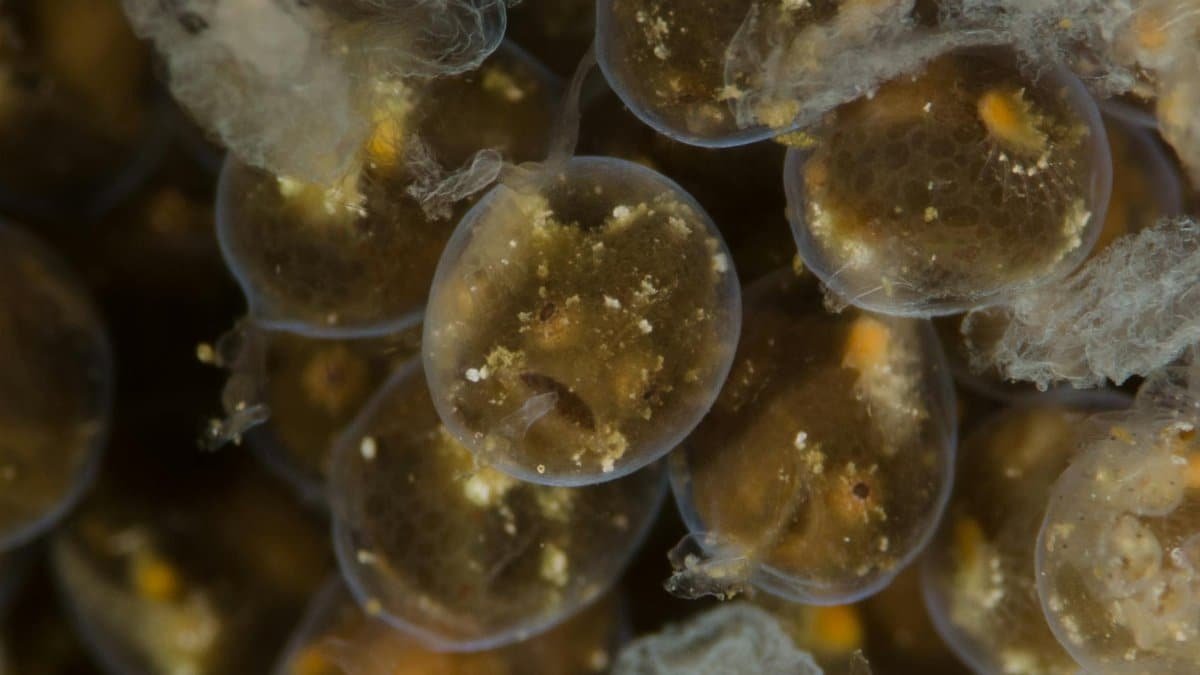
Fish populations face direct peril from the great lakes ice shortage. Many species, including whitefish and lake trout, rely on stable ice for spawning grounds. Without protective cover, eggs become exposed to predators, waves, and temperature swings. Turbulent open water disrupts the calm needed for successful hatching. Biologists note that reduced ice alters underwater currents, scattering nutrients essential for larvae survival. In Michigan waters, where commercial and sport fishing thrive, this could ripple through food chains and economies dependent on healthy stocks.
Local Ecosystems Under Siege

Beyond fish, entire ecosystems teeter. Great lakes ice acts as a buffer, shielding wetlands and shorelines from erosion. Its absence exposes delicate habitats to relentless wind and waves, accelerating habitat loss. Birds, amphibians, and insects that time migrations to ice melt face mismatched cues. Phytoplankton blooms, usually moderated by ice, may surge unchecked, tipping oxygen levels. Michigan’s coastal marshes and bays, vital for biodiversity, suffer most acutely. The interconnected web—from microbes to mammals—shows strain, with cascading effects projected into spring.
Michigan Bears the Brunt
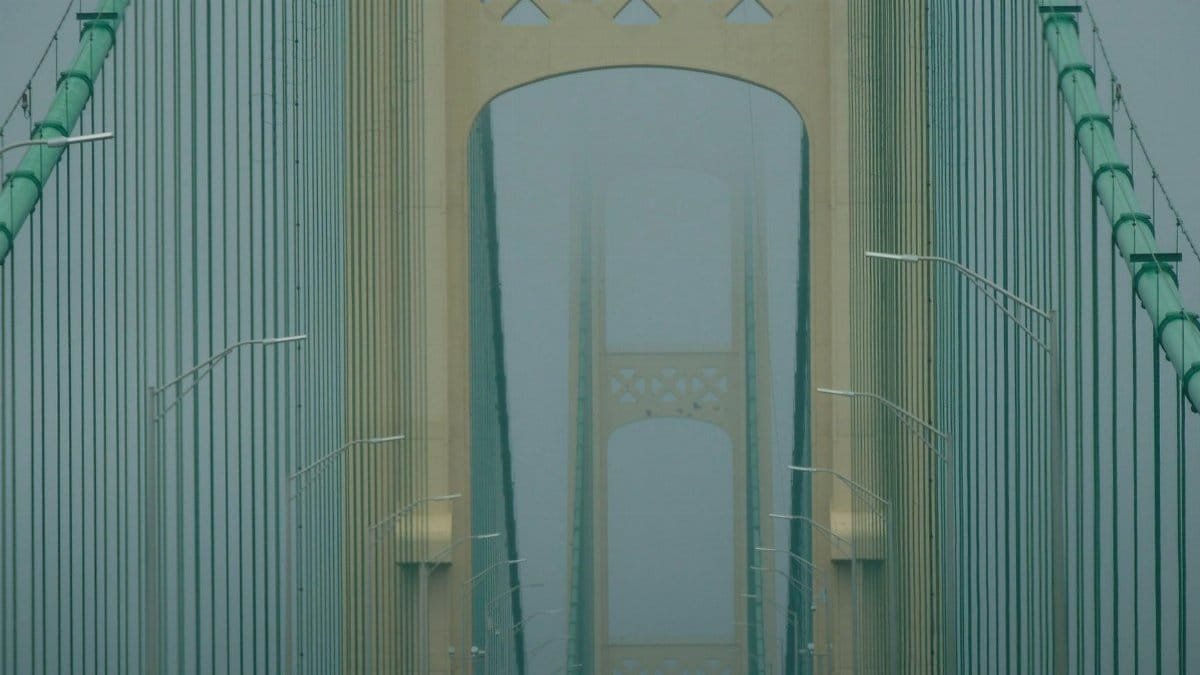
Michigan, bordering four Great Lakes, confronts the crisis head-on. Lake Michigan’s southern basin, a recreational hub, sees minimal ice, altering boating, fishing, and tourism patterns. State officials monitor impacts on water intakes and infrastructure, as open water heightens evaporation risks. Local ecologists report unusual wildlife behaviors, like delayed bird returns. The record low amplifies pressures on already stressed shorelines, from Grand Traverse Bay to the Upper Peninsula. Residents witness a transformed winter landscape, with implications for 2026’s warmer months.
Shifts in Seasonal Patterns

The failure of ice formation rewrites seasonal rhythms. Historically, February peaks at 40-60% coverage; this year shatters that. Persistent above-freezing air stalls the freeze-thaw cycle, leaving surfaces vulnerable. Scientists link the trend to broader atmospheric patterns, though specifics tie back to observed warmth. Without ice, albedo effects—where white surfaces reflect sunlight—diminish, potentially fueling further warming. This feedback loop concerns modelers tracking long-term viability of the basin’s hydrology. NOAA’s CoastWatch program tracks these metrics in real time.
Broader Environmental Ramifications
Great lakes ice scarcity extends risks to water quality and levels. Open water increases evaporation, straining reservoirs amid variable precipitation. Pollutants, once trapped under ice, now circulate freely, heightening contamination threats. Invasive species may spread faster without icy barriers. For ecosystems, the domino effect hits pollinators, soil stability, and even forest edges near shores. Michigan’s environmental agencies prepare for compounded stresses, as the record low foreshadows challenges in sustaining the world’s largest freshwater system by surface area.
Calls for Monitoring and Action

With great lakes ice at record lows, scientists push for heightened vigilance. Enhanced satellite tracking and buoy networks provide granular data into 2026. Regional collaborations aim to quantify spawning losses and ecosystem tweaks. While immediate fixes elude, the warnings spotlight adaptation needs—from fishery management to habitat restoration. Michigan communities, intertwined with the lakes, stand ready to adapt. The unfolding scenario demands sustained focus to safeguard this vital resource against future shortfalls.