
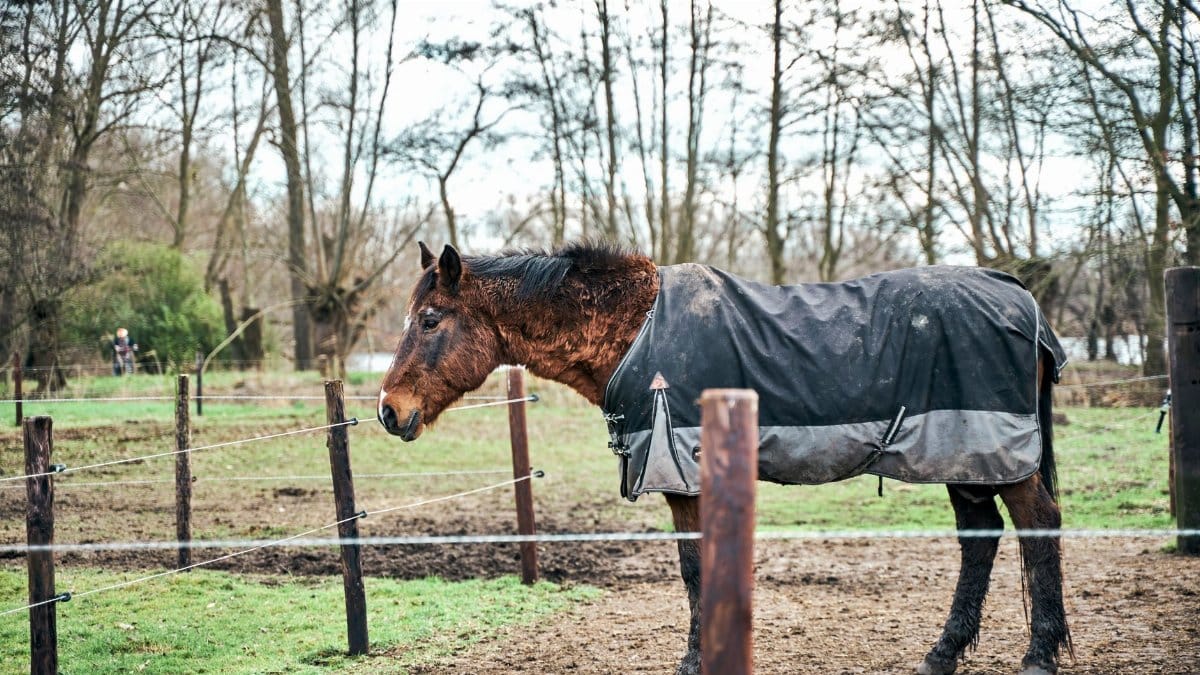
In a quiet corner of Michigan farmland a horse slipped into a deep muddy hole after a sudden storm turned the ground soft and unstable. Firefighters arrived to find the animal exhausted and unable to climb out on its own. Rather than force the situation they scattered oats on the ground just beyond the edge of the hole. The simple lure worked and the horse shifted forward step by step until it reached solid footing again. Moments like these show why horse rescue Michigan groups stay ready year round to handle unexpected trouble.
Local Firefighters Face Unexpected Calls

Departments across Michigan train for many types of rescues yet a large animal in distress brings its own set of challenges. Crews must assess the depth of mud the condition of the horse and the safest way to encourage movement without causing panic. In this case patience and a familiar food reward proved more effective than ropes or heavy equipment.
The Role of Everyday Supplies in Emergencies
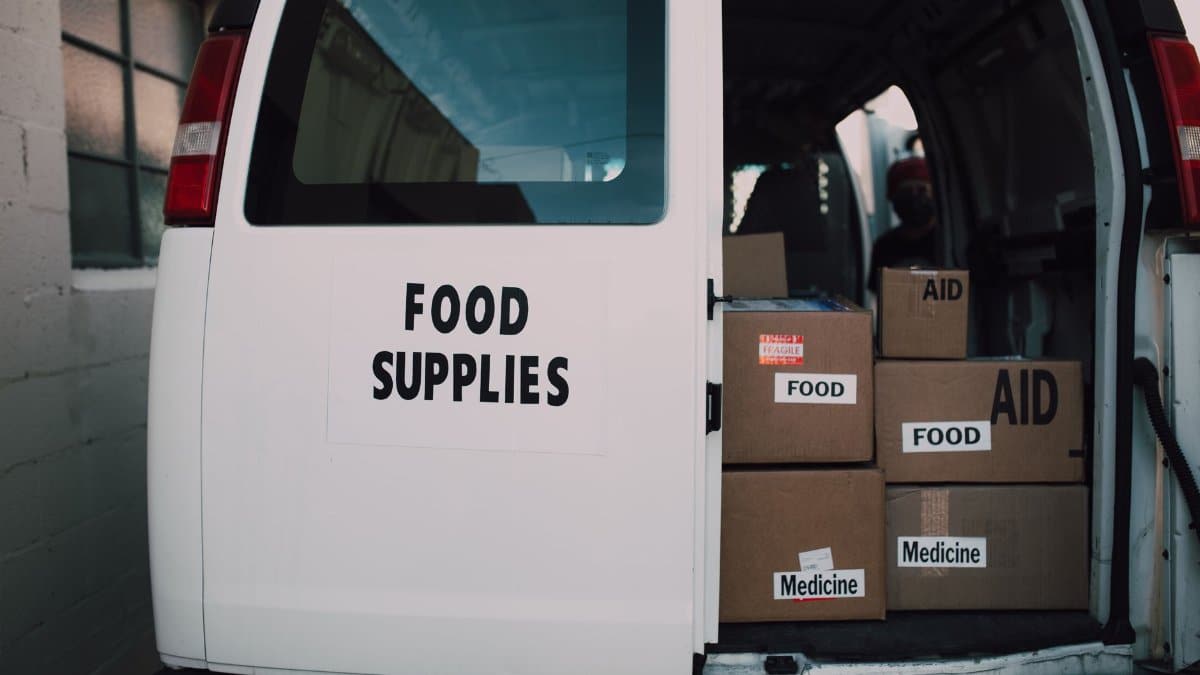
Oats normally stored for daily feeding became the key tool that day. Responders often carry basic supplies in their trucks because quick thinking can turn ordinary items into lifesaving aids. This approach keeps operations simple and reduces stress on the animal involved.
Why Rural Areas See More Such Incidents
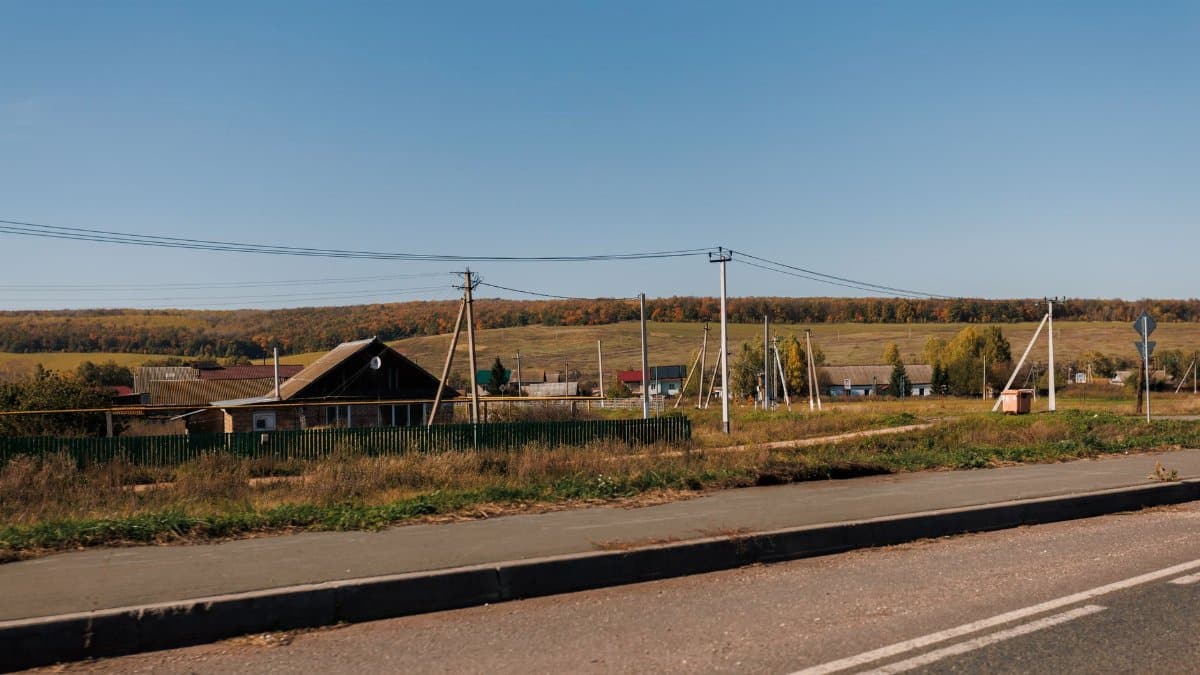
Open fields and changing weather patterns leave horses exposed to soft spots after rain. Property owners may not notice a hazard until an animal steps into it. Horse rescue Michigan teams therefore emphasize prevention through regular pasture checks and drainage improvements.
Training That Prepares Teams for Large Animals
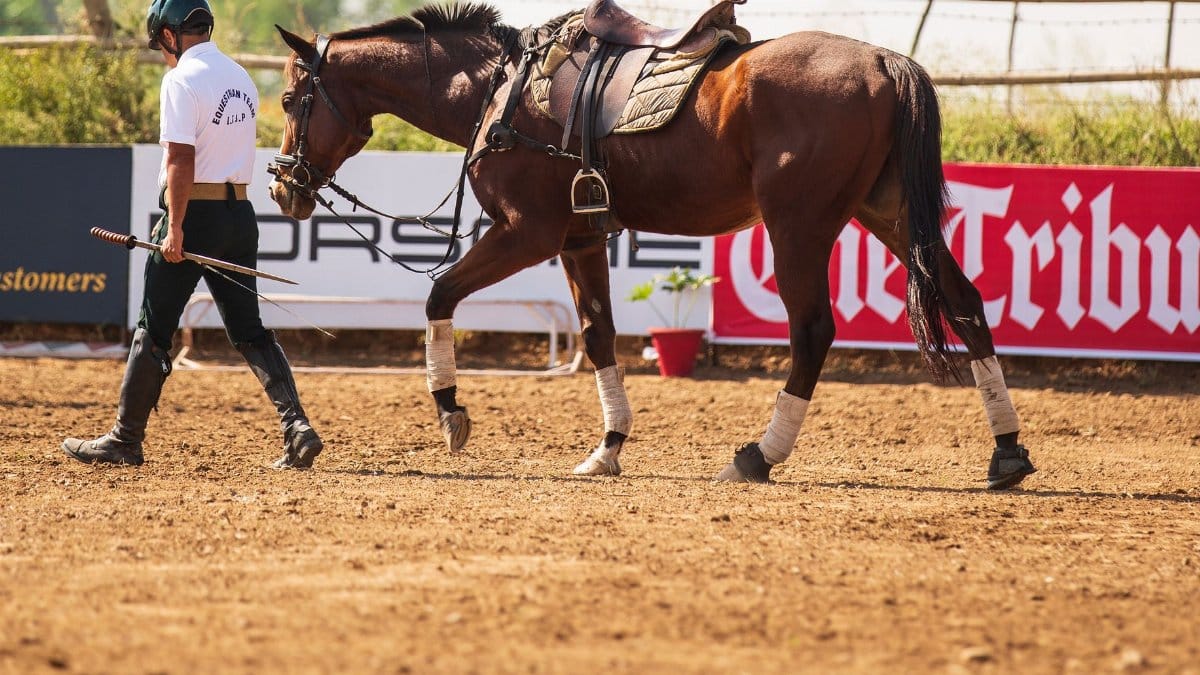
Many departments now include sessions on animal behavior and low stress handling methods. Volunteers from local rescue networks often join these drills to share knowledge about halters leads and calming techniques. The shared experience builds confidence when real calls arrive.
Community Support Behind Every Successful Effort
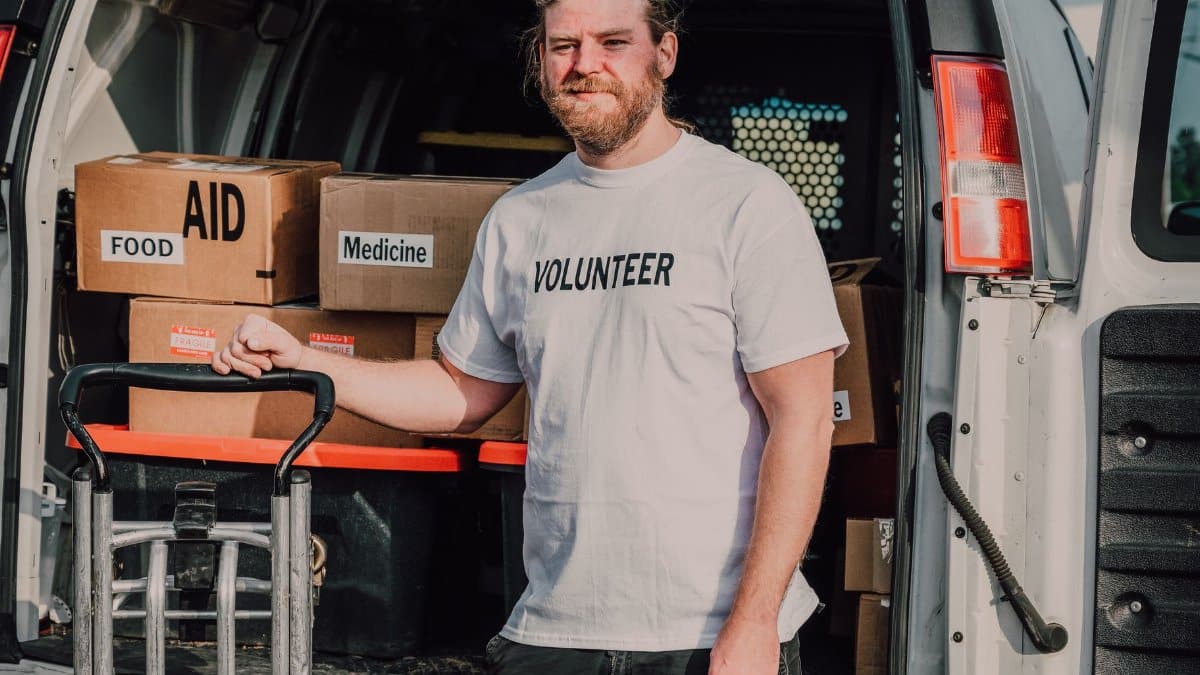
Neighbors frequently step forward with trailers water or extra hands once word spreads. This network of informal help extends the reach of professional crews and keeps costs down. Donations of feed blankets and medical supplies also arrive when stories reach social media.
Long Term Care After the Rescue
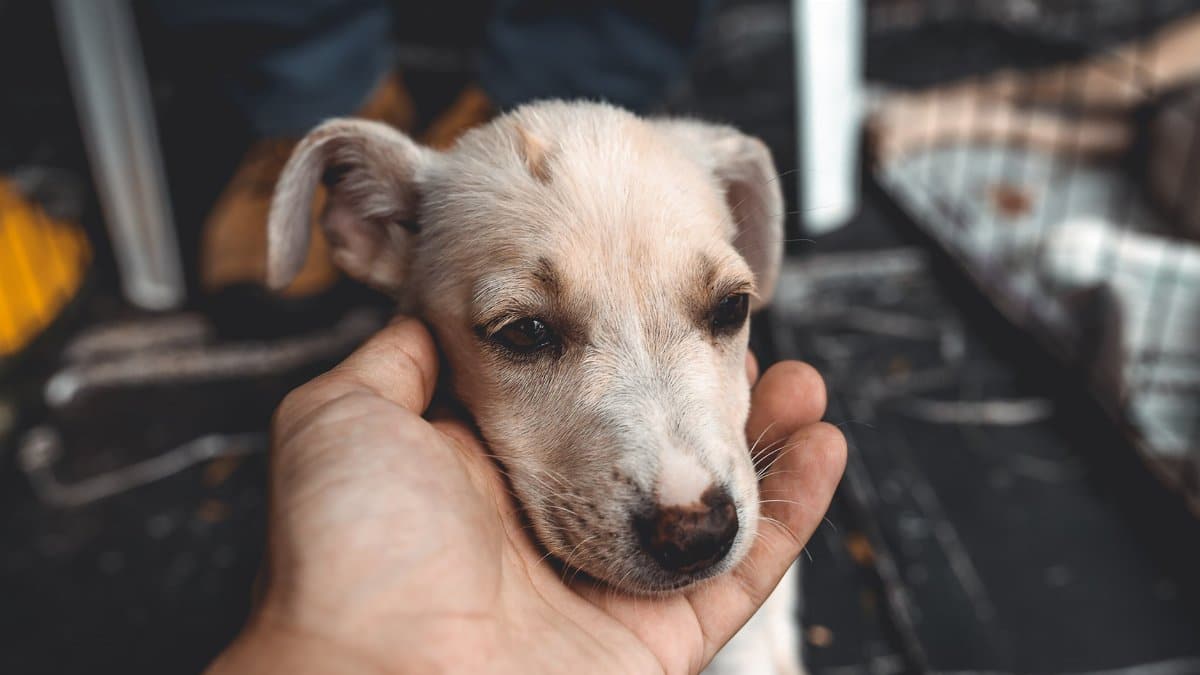
Once free the horse needed monitoring for injury or stress related issues. Veterinary checks and rest periods allow recovery before return to normal activity. Rescue organizations track these follow up needs to improve future outcomes.
Seasonal Weather Patterns and Their Impact

Spring thaws and heavy summer storms create the conditions that lead to most calls. Groups focused on horse rescue Michigan track forecasts and position resources ahead of expected wet periods. Advance planning shortens response times when minutes matter.
Stories That Inspire Broader Awareness

Each rescue draws attention to the quiet work performed by volunteers and professionals alike. Public interest often translates into new volunteers or financial gifts that sustain programs. The shared narrative reinforces the value of compassion toward animals in trouble.
Partnerships Between Agencies and Volunteers

Fire departments coordinate with equine specialists who understand herd dynamics and individual temperaments. These partnerships allow each group to contribute its strengths without overlap. Clear communication protocols keep everyone aligned during an operation.